
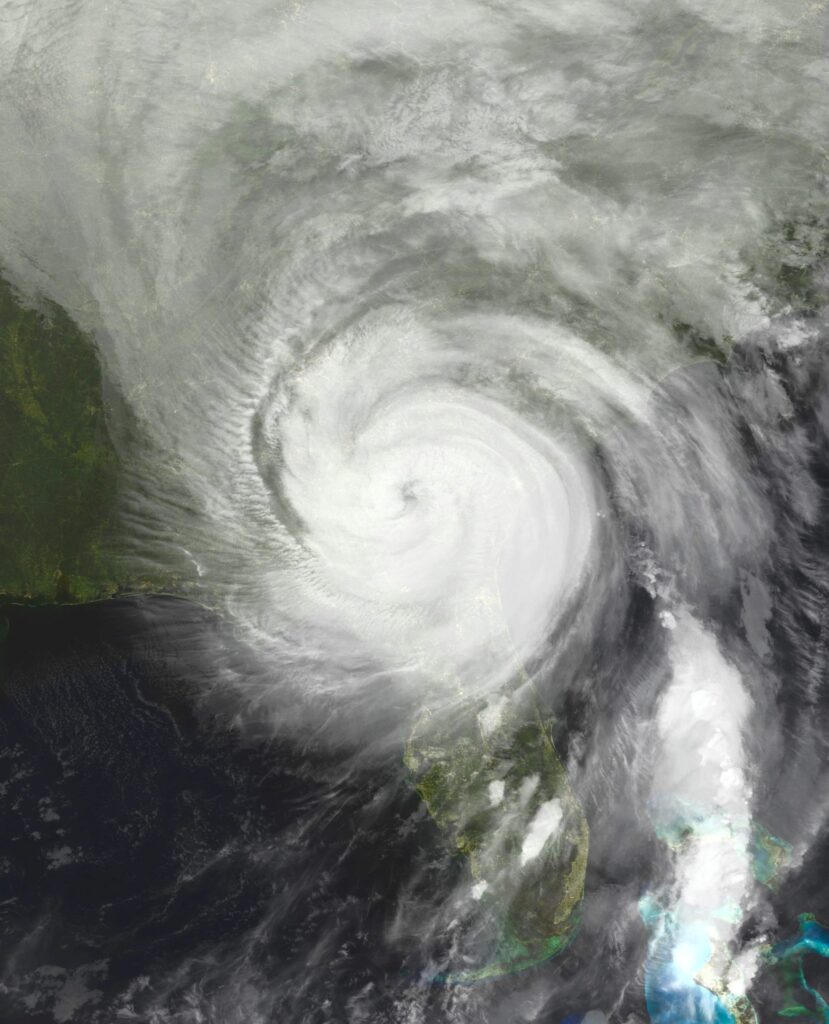
On September 15, 2024, Hurricane Helene entered the southeastern United States, bringing a wave of destruction that hit Georgia hardest. State officials confirmed that the storm was responsible for 37 fatalities, a stark indicator of its severity.
Helene first struck the Big Bend area of Florida on September 27 before moving northward into Georgia while still classified as a Category 2 hurricane. At that level, sustained winds reach at least 96 mph, a speed capable of inflicting serious damage on homes, roads, power lines and natural vegetation. In Georgia, the combination of strong winds and torrential rain created hazardous conditions across a broad swath of the state.
While a comprehensive assessment of property loss and infrastructure damage is ongoing, early reports describe widespread disruption to communities, utilities and transportation networks. The storm’s ability to retain Category 2 strength after crossing Florida highlights the challenges faced by emergency responders.
Rescue teams and local officials have been forced to contend with downed trees, flooded roadways and power outages that left many residents without electricity for extended periods. Recovery efforts are now shifting toward relief distribution, damage evaluation and the planning of long‑term rebuilding. State agencies are coordinating with federal partners to deliver aid to affected neighborhoods, restore essential services and begin the process of inspecting bridges, highways and public facilities for structural integrity.
Analysts say that reviewing Helene’s impact alongside previous hurricanes will be essential for improving Georgia’s disaster‑preparedness strategies. By studying the storm’s wind patterns, rainfall totals and the effectiveness of evacuation orders, policymakers hope to refine warning systems and bolster community resilience for future events.
Officials continue to urge residents to stay informed about weather updates, maintain emergency kits and follow evacuation directives when issued. Public safety messages emphasize that proactive preparation—such as securing property, reinforcing roofs and having a clear family plan—can lessen the human and economic costs of severe storms. As the state moves through the immediate aftermath, attention is turning to the longer‑term implications of Helene’s passage. Researchers will monitor how the storm’s damage influences future building codes, land‑use planning and climate‑adaptation policies throughout Georgia and the broader region.
For now, the priority remains supporting the families and communities still coping with loss. Local charities, faith‑based groups and volunteer organizations have mobilized to provide food, shelter and counseling services, while government agencies assess the full scope of the damage and allocate resources for reconstruction.
The ongoing response to Hurricane Helene will be closely watched by officials nationwide, offering lessons that could shape how the United States prepares for and reacts to high‑impact tropical systems in the years ahead.




