
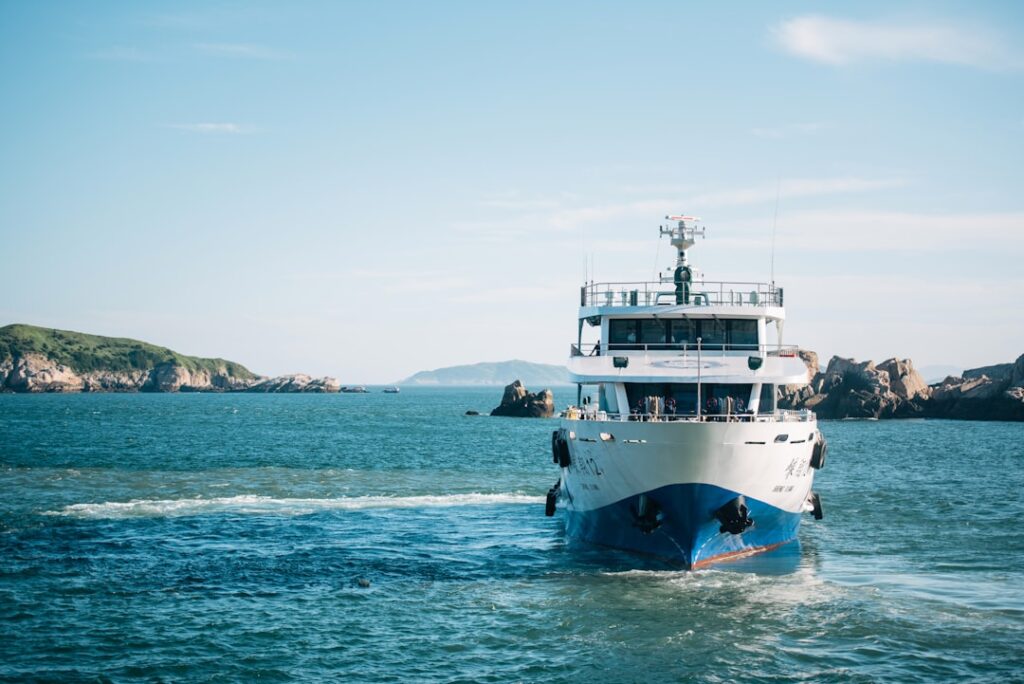
A ferry carrying workers sank on February 25 in Monshat el-Kanater, Egypt, leaving ten people dead and five others injured. The vessel, which served as a vital transportation link for the local community, went down under circumstances that remain under investigation. Ferries in regions like Monshat el-Kanater function as essential public transit rather than luxury amenities.
They provide a direct and cost-effective method for crossing waterways, often representing the only viable option for workers to reach their jobs. The economic reality is straightforward: constructing bridges or tunnels requires millions or billions in investment, while ferries demand far less capital.
This affordability explains their widespread use but also creates conditions where safety can be compromised. The sinking raises immediate questions about maintenance standards. Cheap vessels, aging hulls, and crews working extended hours represent hidden costs of low-cost transportation.
Investigations have just begun, and specific details remain limited. However, the pattern is familiar: a vessel sinks, families mourn, officials pledge action, and attention eventually fades.
Ferries transport not only people but also vehicles, cargo, and goods. This means the economic consequences of the sinking will extend beyond the immediate loss of life. Workers who died were likely supporting households, and the goods they carried or that the ferry hauled will not reach their destinations.
Supply chains in water-connected communities suffer significant disruption when such a connector fails. Safety regulations for ferries vary considerably across countries.
Some nations enforce rigorous inspections and crew certifications, while others do not. Egypt has a mixed record in this area. The 2006 sinking of the Al-Salam Boccaccio 98 in the Red Sea, which killed over 1,000 people, prompted reforms. However, reforms only prove effective when consistently enforced.
The ferry that sank last week was likely a smaller vessel operating under less scrutiny, as small ferries often fall through regulatory gaps. As urbanization increases, ferries will become more important globally.
This trend carries a warning: more ferries mean greater potential for disaster if safety is not prioritized. The forces at play include demand for cheap transport, pressure on aging infrastructure, and regulatory systems that frequently lag behind reality. What happens next in Monshat el-Kanater remains uncertain.
Families will bury their dead. Injured individuals will recover or not.
Investigators will examine the wreckage, asking about the engine, hull, crew, weather, and load. They will search for a single cause, but the real cause likely involves multiple factors accumulated over time: an old ferry, deferred maintenance, weak oversight, and a system that valued low cost over safety. This tragedy is not unique.
Similar incidents occur in Bangladesh, Indonesia, the Philippines, and Greece—wherever ferries serve as transportation backbones and safety becomes an afterthought. The sinking in Egypt represents a local tragedy with a global lesson.
Ferries are vital yet vulnerable. The cost of keeping them safe must be calculated from the start, or the price will continue to be paid in lives.




