
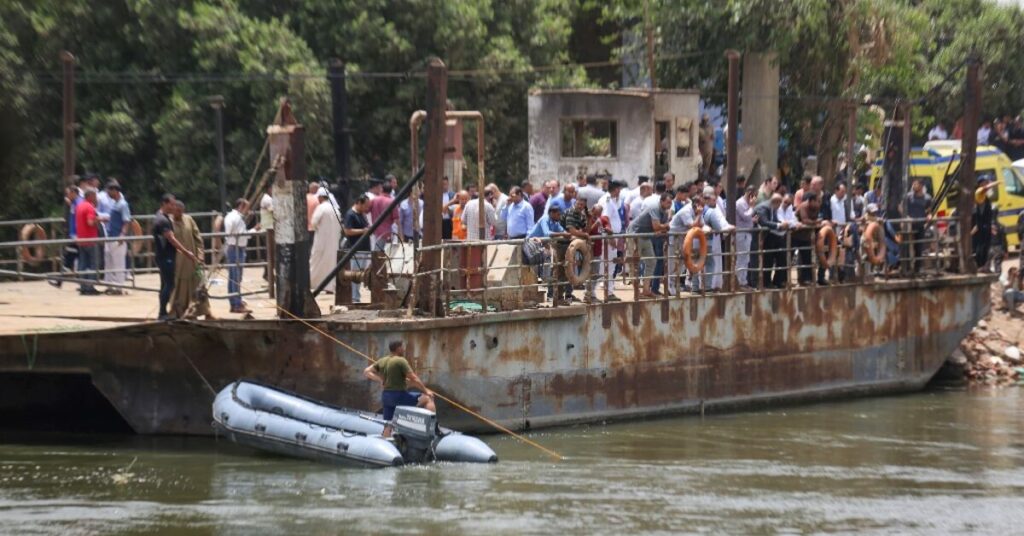
On 25 February 2024 a ferry transporting laborers sank in the waters of Monshat el‑Kanater, Egypt. The accident claimed ten lives and left five people with injuries, according to initial reports. The vessel was a typical local ferry, a mode of transport that many waterside towns and islands rely on for daily travel.
Ferries such as this one provide a direct, often inexpensive link across rivers, canals and coastal waters, forming an essential component of public transport networks in numerous regions. Authorities have opened an investigation into the causes of the sinking, but detailed findings have not yet been released.
What is evident is the role ferries play in the routine movements of residents in coastal and island communities, connecting points that might otherwise require costly infrastructure such as bridges or tunnels. Globally, ferry services vary from small passenger craft with frequent stops—like those operating in Venice, Italy—to larger vessels that convey vehicles and cargo over longer routes, including crossings of the Baltic Sea. Their comparatively low construction and maintenance costs make them an attractive solution for many municipalities seeking efficient waterborne transport.
The tragedy in Monshat el‑Kanater is likely to focus attention on safety standards and maintenance practices for ferries operating in the area. Regular inspections and upkeep are widely recognized as vital to preventing accidents of this nature and ensuring the protection of passengers and crew.
In the broader discussion of ferry operations, the potential for renewable energy propulsion is frequently mentioned. Solar or wind‑powered ferries could offer a cleaner, more cost‑effective alternative to conventional fossil‑fuel engines, contributing to energy security and reduced operating expenses while lessening environmental impact. As the community mourns the loss of ten workers and supports the five injured, there is an emerging call for measures that could improve both safety and sustainability of local water transport. Proposed actions include stricter safety audits, routine maintenance schedules, and investment in greener propulsion technologies.
Support for the families of the deceased and the injured will be a priority in the weeks ahead. Simultaneously, local officials and transport operators are expected to examine how to strengthen ferry safety protocols and explore environmentally friendly upgrades.
The incident underscores the importance of ferries in daily life while highlighting the need for vigilant oversight. By addressing safety concerns and embracing renewable energy options, authorities hope to prevent future tragedies and promote a more sustainable transportation future for the region.




