
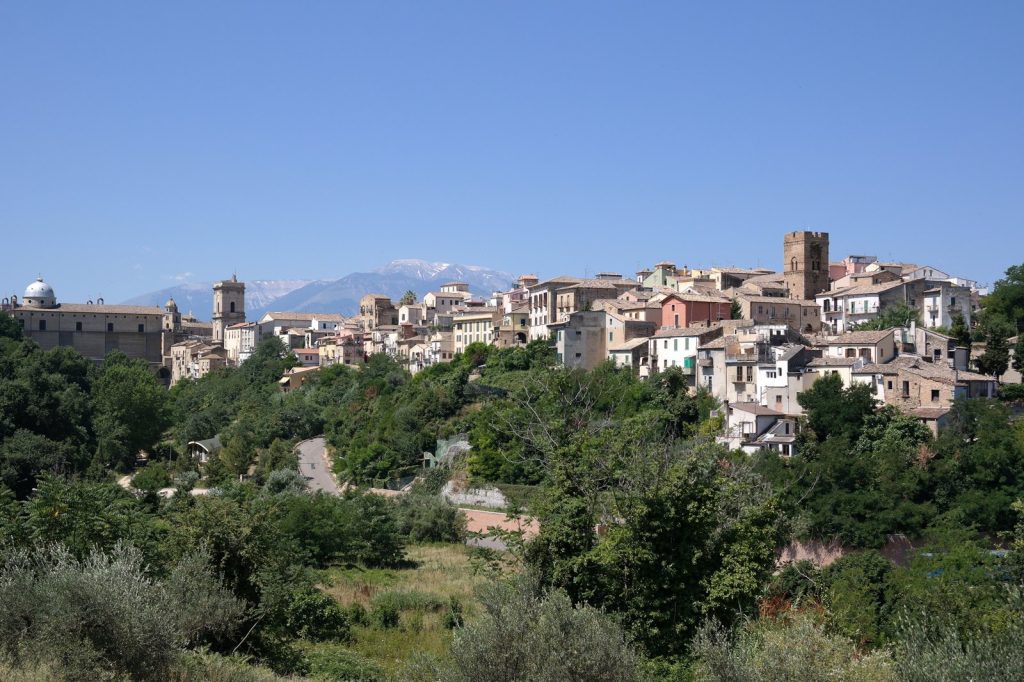
An 80-year-old motorist crashed into a crowd during Italy’s 80th anniversary of liberation from Nazi occupation on April 25 in Lanciano, killing one man and injuring two women. The incident occurred in the Province of Chieti during a ceremony marking the end of German occupation in 1945.
The date’s significance has drawn attention to the grim symmetry of the event: an octogenarian driver, an 80-year milestone, and one fatality. While the coincidence is accidental, it has refocused public debate on elderly driver licensing in Italy.
Authorities have not determined what caused the driver to lose control. No mechanical failure, medical episode, or road hazard has been reported. The investigation continues without official statements from witnesses or officials. Neither the deceased man nor the driver has been publicly identified. The injured women remain hospitalized.
The liberation campaign honored that day began with the Allied invasion of Sicily in July 1943, a complex operation planned by the joint Allied Forces Headquarters. It culminated in the surrender of Axis forces in May 1945, marking a pivotal moment in Italian history.
The accident has renewed scrutiny of Italy’s aging driver population. The country lacks a universal mandatory road test for senior citizens. While some regions require medical certificates after a certain age, others do not, creating what critics describe as a patchwork system with gaps. An 80-year-old can remain licensed without reassessment.
Similar incidents involving older drivers have occurred across Europe, including Germany, France, and Spain. Each has followed a pattern: public outrage and grief, followed by calls for stricter licensing laws, then waning momentum until the next accident.
The driver was born around the time World War II ended. He was a child when Italy was liberated. Now he is under investigation regarding whether he should have been driving.
The liberation campaign required planning, coordination, and sacrifice. Keeping elderly drivers safe involves testing, medical oversight, and enforcement. Advocates argue this effort has not yet succeeded, with Lanciano as the latest example.
The April 25 national holiday now carries dual meaning: liberation and loss. The forces behind the accident—age, infrastructure, and policy—are not new. The community mourns as the investigation continues. Whether this tragedy leads to new laws or follows the established pattern remains uncertain.




