
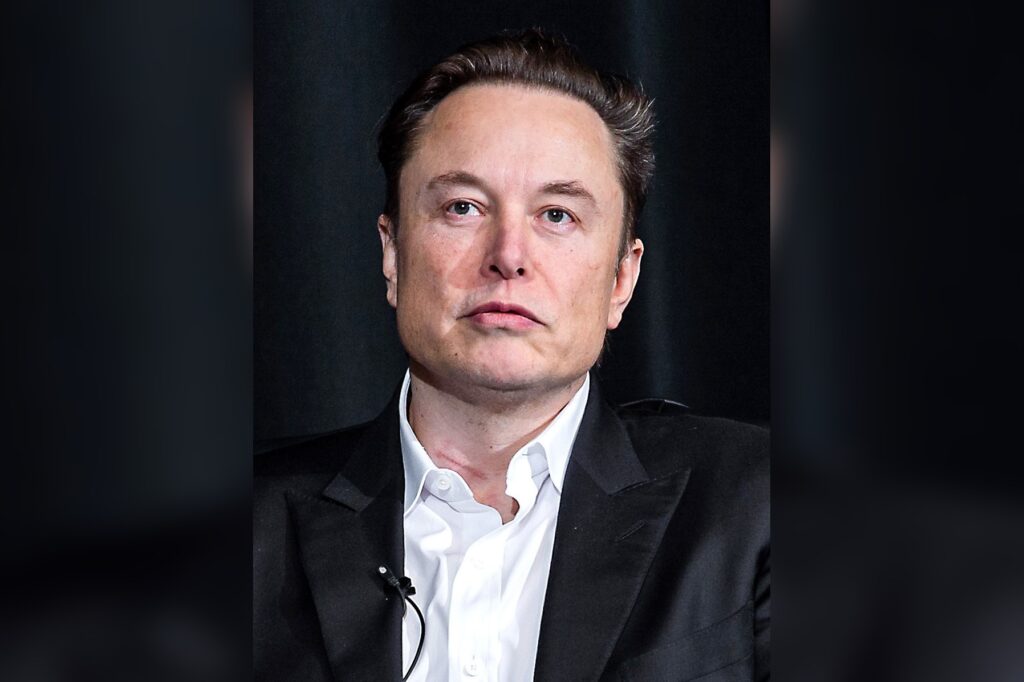
CAPE CANAVERAL, July 7 — The record shows that Elon Musk, born in 1971 in Pretoria, South Africa, founded SpaceX in 2002 with a singular, stated ambition: to reduce the cost of space transportation and enable the colonization of Mars. That founding document, as it were, has since been followed by a timeline of increasingly ambitious hardware. SpaceX developed the Falcon 9 rocket, which first launched in 2010.
The Falcon Heavy followed in 2018. Then came the Starship spacecraft, which conducted its first orbital test in 2023.
Each step, according to the company’s public filings and statements, was designed to build toward that interplanetary goal. Musk conceived the Starlink project in 2015. The aim, sources familiar with the program have noted, is to provide global broadband internet via a constellation of satellites.
As of 2025, Musk’s net worth is estimated at over $200 billion, placing him among the wealthiest individuals globally. He has been a vocal advocate for space exploration.
The Starlink project has drawn criticism from environmental groups. Those groups have raised concerns about the impact of the Starlink satellites on astronomy and the atmosphere. Musk has stated that satellite reentry is safe and that SpaceX complies with all regulations.
The company maintains that its operations meet all applicable standards.
The Mars Equation
The core of the SpaceX business model, according to the record, rests on the idea that reusability drives down cost. The Falcon 9, with its first-stage landings, demonstrated that concept. The Starship system, currently in testing, is the next iteration of that thesis.
The timeline from the 2002 founding to the present day shows a steady progression of test flights and operational launches. Musk has frequently stated that the long-term survival of human civilization requires a multiplanetary presence.
This argument, made in numerous public appearances and on social media, frames the Mars colonization goal as a form of existential insurance. The technical challenges remain enormous, but the company continues to build and test hardware.
Starlink’s Orbital Footprint
The Starlink constellation, conceived in 2015, now represents a significant portion of SpaceX’s operational activity. The network of satellites is designed to provide high-speed internet to remote and underserved areas. Critics, however, have pointed to the impact of the satellites on astronomical observations and the potential atmospheric effects of reentering spacecraft.
Musk has pushed back on these criticisms. He has stated that satellite reentry is safe and that SpaceX complies with all regulations.
The company has published data on its satellite design and operations, arguing that the environmental impact is minimal compared to other sources of light pollution and atmospheric emissions. The debate continues among scientists and regulators.
Looking Ahead
The next phase for SpaceX, as of the middle of 2026, centers on the Starship program. The vehicle is designed to carry large payloads to orbit, the Moon, and eventually Mars. The company has not yet announced a firm date for the next orbital test flight, but the development pace, according to the record, remains aggressive.
The broader question, for observers, is whether the technical and financial momentum can be sustained. Musk’s net worth, estimated at over $200 billion as of 2025, provides a substantial personal resource.
The company also generates revenue from commercial launches and the Starlink service. The timeline from 2002 to today suggests a methodical, if ambitious, approach to the goal of making humanity a multiplanetary species.




