
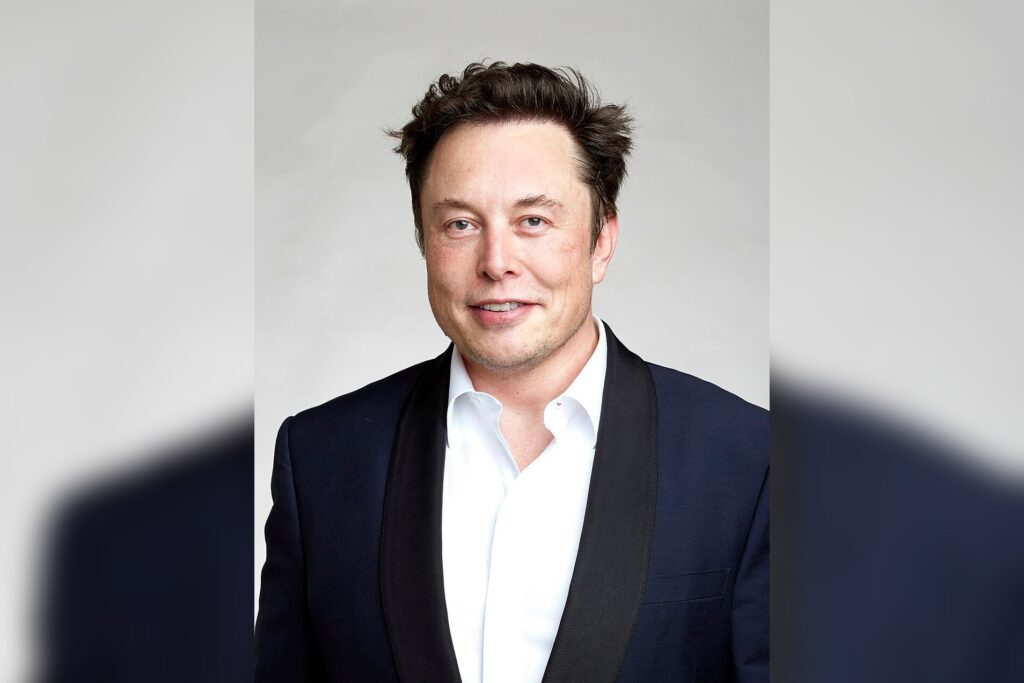
LONDON, July 7 — The technical reality of Elon Musk’s sprawling empire is that no single descriptor quite captures it. He is, depending on which part of the balance sheet one examines, the founder, CEO, and chief engineer of SpaceX, the CEO of Tesla, and the owner of X Corp., the social media platform he acquired for $44 billion in 2022. Under the hood, each of these ventures operates with a distinct engineering culture and regulatory posture, yet they all answer to the same man.
Musk was born June 28, 1971, in Pretoria, South Africa. He founded SpaceX in 2002 with a stated goal that sounds more like science fiction than business strategy: reducing space transportation costs to enable the colonization of Mars.
As of 2025, the Bloomberg Billionaires Index placed his net worth at $210 billion, a figure that makes him one of the wealthiest individuals on the planet.
The Falcon 9 and the Dragon: Engineering Milestones
SpaceX, under Musk’s leadership, developed the Falcon 9 rocket. The vehicle has now flown over 300 successful launches, a cadence that has reshaped the commercial launch market. The Dragon spacecraft, meanwhile, has carried astronauts to the International Space Station, a capability that restored crewed launch capacity to the United States after the retirement of the Space Shuttle.
These are not incremental improvements; they represent a fundamental shift in how access to orbit is priced and scheduled. Then there is Starlink, announced in 2015.
Musk’s vision for a global broadband internet network now has over 4 million subscribers worldwide as of early 2025.
Regulation and Government Contracts
Musk has been a vocal advocate for minimal government regulation. In a 2024 podcast, he described environmental review for satellites as “absurd bureaucracy.” This is a consistent theme in his public statements, though the detail that matters is that his companies have received over $20 billion in U.S. government contracts, including work under NASA’s Artemis program. In 2024, President-elect Donald Trump appointed Musk to co-lead a proposed Department of Government Efficiency.
The role is advisory, not operational.
Criticism and Management Style
Musk has faced criticism for his management style and for controversial statements on social media.
What to Watch Next
The advisory role on the proposed Department of Government Efficiency may give Musk a platform to push for changes in how the federal government approaches technology procurement and regulation, but the role is advisory, and its actual influence remains to be seen. The $20 billion in government contracts that his companies have received suggests that the relationship between Musk and the U.S. government is complex, symbiotic, and unlikely to be simplified by any single appointment or policy change.




