
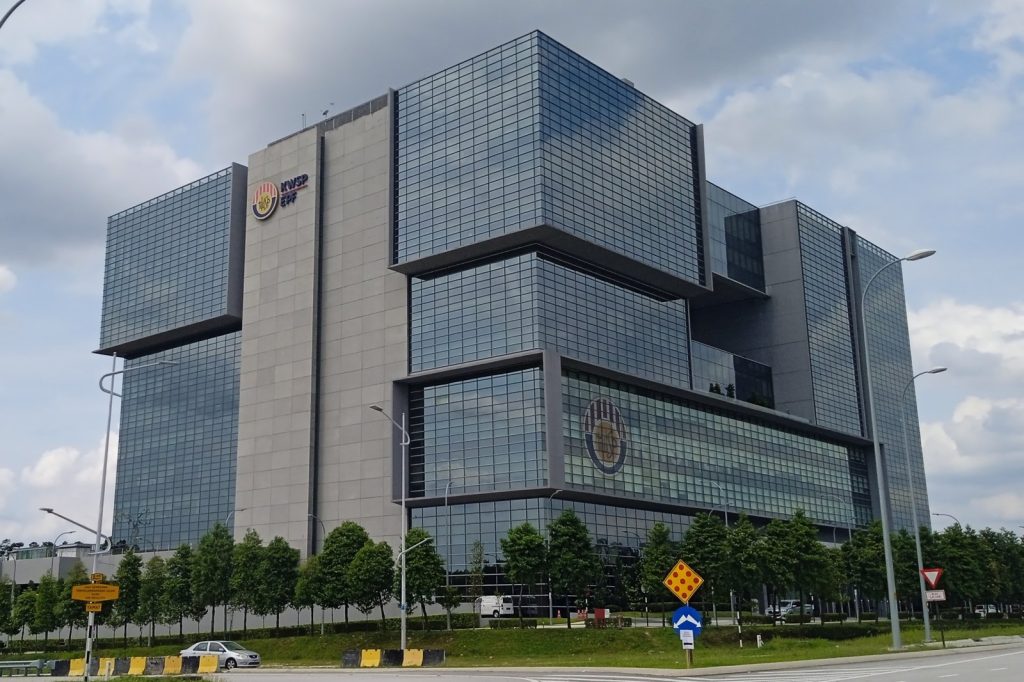
KUALA LUMPUR — A March 2025 analysis by environmental group RimbaWatch has placed a spotlight on Malaysia’s Employees Provident Fund, revealing that approximately 12 billion ringgit of its assets are linked to coal investments. The figure represents a notable portion of the fund’s 1.1 trillion ringgit in total assets under management, which serves 16 million members. The discrepancy between the EPF’s stated environmental commitments and its continued coal holdings has drawn criticism from researchers and lawmakers alike.
While the fund publicly emphasizes its consideration of environmental, social, and governance factors, as well as a commitment to a responsible transition, the coal investments remain a point of contention. Ahmad Zulhusni, a researcher with RimbaWatch, has characterized this as a direct contradiction to the fund’s public statements.
The debate over the EPF’s investment strategy is not new. Environmental groups have raised concerns for years. However, the intensity of the pressure escalated in early April 2025, when lawmakers joined the call, transforming the issue from an activist concern into a political one.
At the heart of the matter is a fundamental question: does a pension fund responsible for the retirement savings of over 16 million people have an obligation to shield those savings from the financial risks associated with climate change? According to the RimbaWatch report, the answer appears to be no, at least for now.
The EPF responded on April 7, 2025, with a statement defending its approach. The fund indicated that it regularly reviews its portfolio to manage climate-related risks and emphasized a balanced strategy that pursues both financial returns and sustainability. Notably, the statement did not announce any new divestment targets or a commitment to exit coal investments. Instead, it defended the pace of its transition as responsible.
Critics argue that a balanced approach is incompatible with coal, given the accelerating global energy transition and the increasing risk of coal assets becoming stranded. They contend that the EPF’s pace of divestment from high-carbon sectors is too slow, leaving its members exposed to an industry that is shrinking, politically targeted, and financially unstable.
The scale of the EPF’s influence is significant. With 1.1 trillion ringgit in assets and 16 million members—roughly half of Malaysia’s population—the fund is a cornerstone of the country’s retirement security. The RimbaWatch estimate that at least 12 billion ringgit of that money is in coal represents a concrete exposure to a sector the world is attempting to phase out.
The EPF has not disputed the 12 billion ringgit figure, nor has it released its own detailed breakdown. Its April 7 statement did not address the specific estimate, instead speaking in general terms about responsible transition and regular portfolio reviews.
This gap between the specific criticism and the general response is where the controversy persists. Ahmad Zulhusni has framed the issue as a financial one, not an ideological one. He argues that the coal investments put retirement savings at risk from both climate change and the global energy transition.
The fund’s own ESG commitments, he suggests, should steer it away from coal, yet the money remains invested. With lawmakers and environmental groups monitoring the situation, and the 16 million members potentially beginning to pay attention, the pressure on the EPF is unlikely to diminish.
The fund may continue to advocate for balance, but the 12 billion ringgit in coal investments remains a prominent counterpoint.




