
The aircraft involved in the October 9 accident near Catalina Airport was a Beechcraft Baron, a twin‑engine piston plane that first entered production in 1961. It has remained in continuous manufacture ever since, marking one of the longest production runs in aviation history. The Baron originated from the Beechcraft Travel Air and, over six decades, earned a reputation as a dependable workhorse for pilots flying for business, recreation, or hire. Five people lost their lives when the Baron went down shortly after takeoff.
As required for any fatal aviation incident in the United States, the National Transportation Safety Board has opened an investigation. The NTSB will examine the airplane’s maintenance records, review the weather conditions at the moment of departure, and assess whether pilot error contributed to the outcome.
At this stage, none of these factors can be excluded. The Beechcraft Baron is a low‑wing monoplane. While not considered highly complex by today’s standards, it still demands regular upkeep and a pilot who remains current and proficient.
Historically, the type has maintained a relatively good safety record, yet “good” does not equate to flawless. No aircraft is perfect, and each accident serves as a reminder that aviation carries inherent risk, regardless of how well a machine is built or how carefully it is flown.
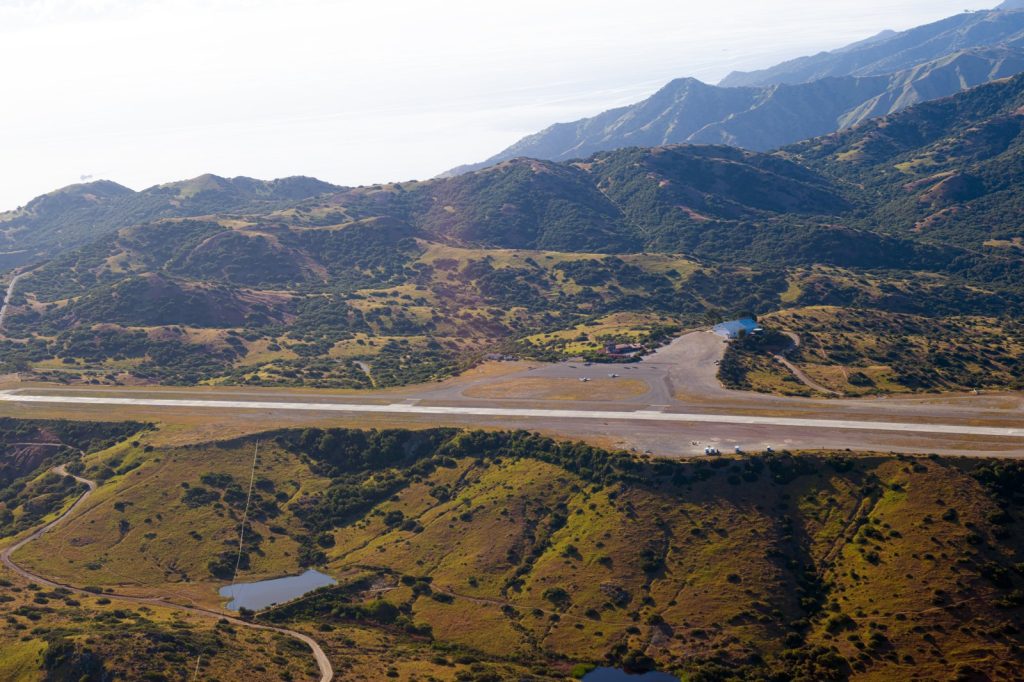
Catalina Airport sits on a mountaintop on Santa Catalina Island. Its runway is notably short, and the approach is regarded as challenging, requiring pilots to treat the field with respect. The Baron crashed soon after leaving the ground, a phase when the aircraft was heavy with fuel and climbing at low speed.
These early moments are critical; an engine failure or any other malfunction during this period leaves a narrow margin for error. Among aviation enthusiasts, the Baron has long been favored for its straightforward design and solid performance.
It is not an exotic or high‑performance machine but a reliable twin that has transported countless passengers safely to their destinations. Nevertheless, it remains a mechanical system subject to wear, and pilots are susceptible to mistakes. Sometimes both factors coincide.
The aviation community will mourn the five individuals who perished. Mourning, however, does not reveal what went wrong; only a thorough investigation can uncover the probable cause.
The NTSB expects to issue its final report several months from now, detailing the likely cause and recommending any safety changes if warranted. The process is deliberate but comprehensive. For the time being, the wreckage remains on the island while investigators gather evidence.
The families of the victims await answers, and the broader public is left with the essential facts: a Beechcraft Baron, a short flight, a crash, and five fatalities. The aircraft enjoyed a long history of safe operation, yet past performance does not guarantee the safety of any future flight.




