
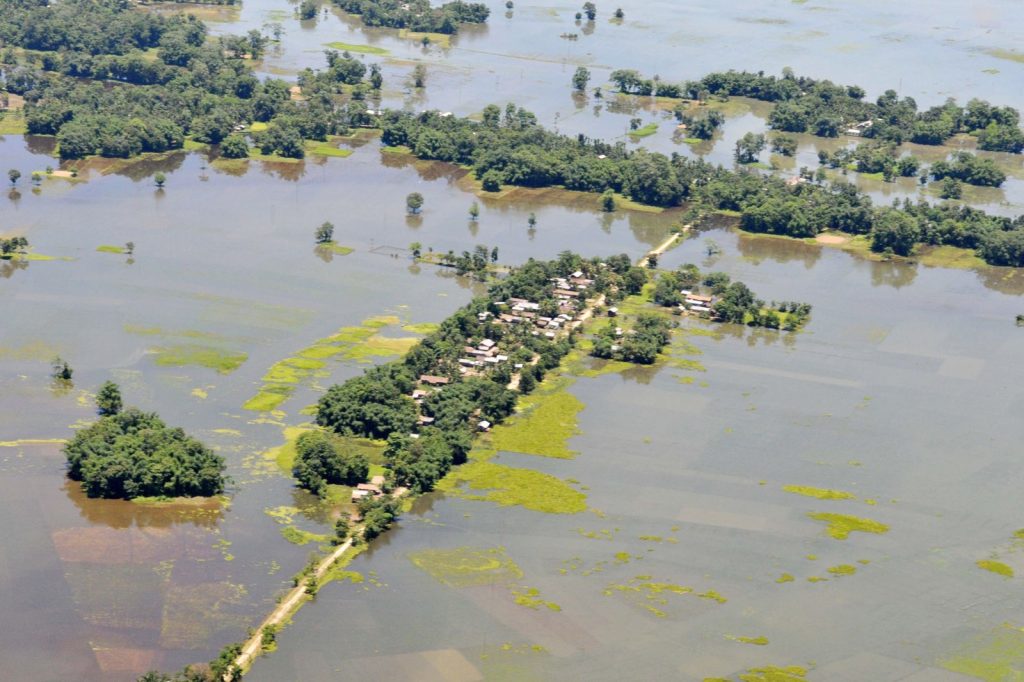
Devastating floods and landslides have struck the Indian states of Assam and Arunachal Pradesh, leaving at least sixteen people dead and over 300,000 others displaced. The disaster has brought widespread destruction to the region, with homes, crops, and infrastructure severely damaged or destroyed. As the situation continues to unfold, the full extent of the damage and the needs of those affected are becoming increasingly clear.
A significant challenge in responding to this disaster is the sheer scale of the displacement it has caused. With hundreds of thousands of people forced to flee their homes, the demand for shelter, food, and other essential supplies is immense.
The term “forced displacement” is used to describe the involuntary or coerced movement of people away from their homes, often as a result of conflict, violence, or other crises. In this case, the floods and landslides have created a massive displacement crisis, with many people forced to seek shelter in temporary camps or other makeshift facilities. The UNHCR defines “forced displacement” as displacement that occurs as a result of persecution, conflict, generalized violence, or human rights violations.
While this definition is often applied to cross-border refugee movements, it also encompasses the experiences of internally displaced persons (IDPs) – those who are displaced within their own country. The situation in Assam and Arunachal Pradesh highlights the need for effective support and protection for IDPs, who may face significant challenges in accessing basic necessities like food, water, and healthcare.
Response Efforts
As the response to the disaster continues, a range of organizations and agencies are working to provide support to those affected. This includes the provision of emergency shelter, food, and other essential supplies, as well as efforts to restore damaged infrastructure and rebuild communities. The Indian government has pledged to provide assistance to those affected, and international organizations are also offering support.
A key priority will be to ensure that the needs of the most vulnerable individuals and groups are met, including children, women, and the elderly. Looking to the future, it is clear that the road to recovery will be long and challenging.
The floods and landslides have not only caused immediate destruction, but have also disrupted the livelihoods and economies of entire communities. As the region begins to rebuild, it will be essential to prioritize sustainable and resilient approaches to development, including the use of renewable energy sources and environmentally-friendly technologies. By promoting energy security and cost-effectiveness through the adoption of renewables, the region can reduce its reliance on fossil fuels and promote a cleaner, healthier environment for all.
As the people of Assam and Arunachal Pradesh look to the future, they deserve a clean and thriving planet – a planet where natural disasters like floods and landslides are mitigated by sustainable practices and responsible stewardship of the environment. The international community must come together to support the recovery efforts and promote a vision of a cleaner, more sustainable future.
By working together, we can help to create a world where such devastating disasters are less likely to occur, and where the needs of all people are met in a way that prioritizes the health and well-being of both humans and the planet.




