
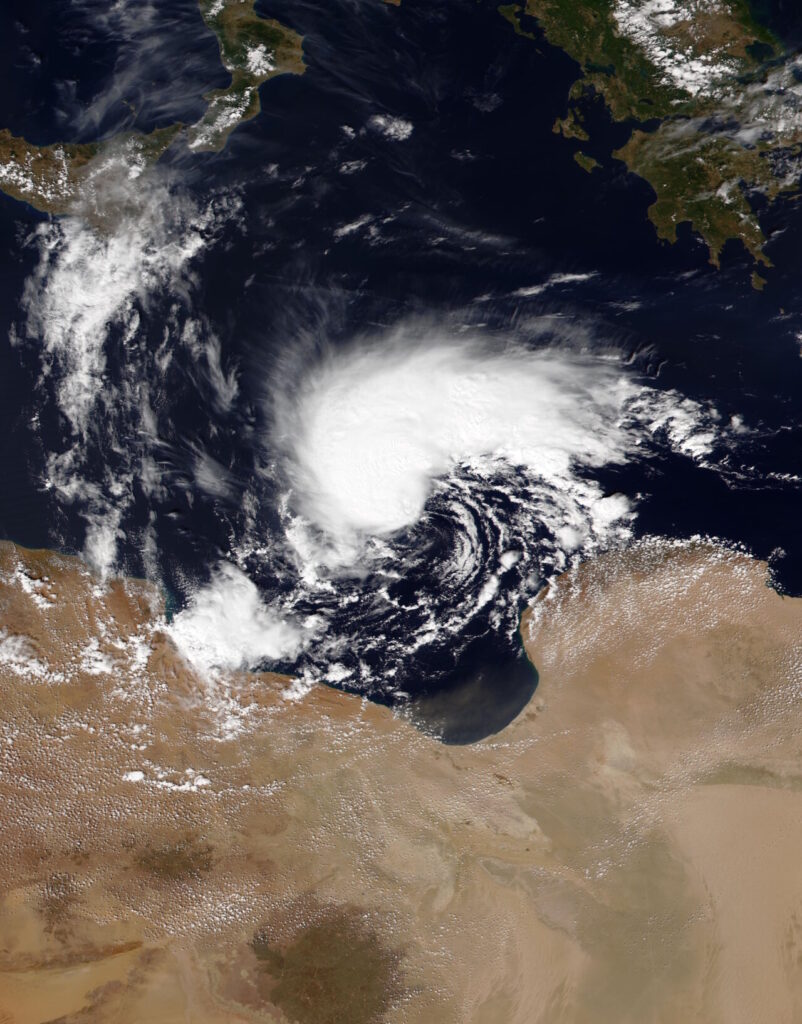
Heavy downpours over the past few days have unleashed a wave of flooding throughout the Balkans and neighboring Turkey, claiming at least ten lives. The deluge has inundated residential areas and commercial districts, leaving many without electricity or basic services as water levels gradually recede. In Bulgaria, the impact has been especially pronounced.
Cities such as Plovdiv, Varna and Burgas have reported significant flooding, while the nation’s capital, Sofia, remains on alert despite its location in the western part of the country. The country’s mixed terrain—mountainous regions of the eastern Balkans merging with the Black Sea coastal plain—amplifies the danger of intense rainfall, turning river valleys and low‑lying districts into flood zones.
Turkey and Greece have experienced similar devastation. Across both nations, rising waters have overwhelmed homes, shops and infrastructure, adding to the human toll already recorded. The three countries, which share borders and a common Mediterranean climate, are now confronting the combined challenge of rescue operations and the longer‑term task of rebuilding. As the waters withdraw, authorities are beginning to assess the full scale of damage.
Power outages persist in many affected neighborhoods, and access to clean water and sanitation remains limited. Local businesses report losses from inventory destruction and property damage, while families grapple with displaced living conditions.
Government officials in Bulgaria have pledged assistance to those hit by the floods, acknowledging that recovery will be a protracted effort. The nation’s economy, already contending with broader regional pressures, now faces added strain from repair costs and disrupted trade. Similar statements of support have emerged from Turkish and Greek ministries, emphasizing the need for coordinated relief measures.
The disaster has also reignited discussion about the region’s vulnerability to extreme weather events. The Balkans and the eastern Mediterranean are characterized by a blend of rugged mountains and coastal lowlands, a geography that can quickly turn heavy rain into flash flooding.
Environmental groups warn that repeated incidents could erode the natural beauty that draws tourists to the area, threatening both ecosystems and the tourism sector that depends on them.
Calls for Greater Regional Cooperation
Beyond immediate rescue work, the floods have underscored the importance of cross‑border collaboration. Bulgaria, Turkey and Greece share a history of joint initiatives, and the current emergency has prompted renewed calls for coordinated planning and resource sharing.
The European Union, of which Bulgaria is a member, has offered assistance to all three countries, reinforcing the broader international support network. Looking ahead, policymakers are exploring how to lessen the impact of future extreme weather. One recurring theme is the expansion of renewable energy—particularly wind and solar—to reduce reliance on fossil fuels and improve energy security.
By investing in clean power, the nations hope to lower energy costs, bolster economic resilience and diminish the influence of volatile global energy markets. Environmental advocates argue that a shift toward sustainable energy sources could also mitigate flood risk by decreasing greenhouse‑gas emissions that contribute to climate change.
As the region rebuilds, many see an opportunity to embed climate‑adaptation measures into reconstruction plans, from improved drainage systems to greener urban design. In the aftermath of the tragedy, the affected communities are demonstrating resilience and determination. Residents are beginning the arduous process of cleaning homes, restoring businesses and supporting neighbors who have lost everything.
While the road to full recovery will be long, the shared experience of the floods may foster stronger ties among the three nations and inspire a collective commitment to a more sustainable, flood‑resilient future.




