
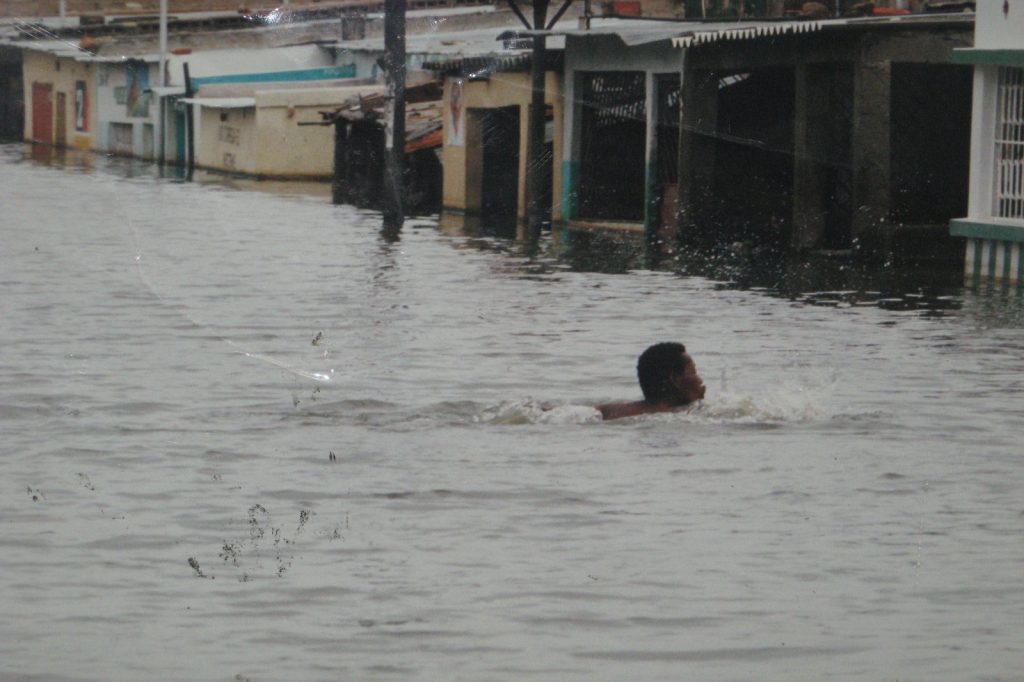
Severe torrential rain and flooding across Mozambique, South Africa, and Zimbabwe have resulted in at least 100 deaths and the destruction of thousands of homes, according to officials. The disaster has caused widespread displacement and severely damaged essential infrastructure throughout the region. Mozambique has experienced the most severe impact, owing in part to its long Indian Ocean coastline.
The capital city of Maputo, a major urban center with origins dating to the 7th century as a Swahili port town, has reported extensive damage to both residential and commercial properties. Neighboring South Africa and Zimbabwe have also suffered significant losses.
In Zimbabwe, flooding has affected multiple districts, with reports of individuals being swept away by powerful currents. The government has deployed rescue teams and is distributing aid, though the scale of the disaster is straining available resources. Thousands of residents have been forced to evacuate to higher ground or temporary shelters as floodwaters continue to rise.
The humanitarian situation is becoming increasingly dire. The destruction of homes has disrupted access to healthcare and education services.
Transportation networks have been compromised, hampering the distribution of relief supplies to affected communities. The economic toll is expected to be substantial. The agricultural sector, a cornerstone of the regional economy, has sustained heavy losses, with crops destroyed and livestock killed.
Thousands of businesses have been damaged or destroyed, further threatening local livelihoods. International aid efforts are underway, with multiple countries and organizations pledging assistance.
Regional governments have allocated emergency funds to support relief operations. Officials emphasize the need for aid to reach the most vulnerable populations as the situation continues to evolve. Looking toward recovery, experts stress the importance of investing in sustainable infrastructure, including flood-resistant housing and renewable energy systems, to mitigate the risk of future disasters. Reducing dependence on imported fuels through solar and wind power could also improve energy security, a critical factor for regional economic development.
The flooding serves as a stark reminder of the need for environmental stewardship. A clean and sustainable environment is essential for human well-being and planetary health.
By investing in renewable energy, reducing waste, and protecting natural habitats, the region can help lessen the impact of future climate-related events. The road to recovery will be long, requiring significant support for both immediate relief and long-term rebuilding efforts.




