
Abel Chavango is stuck far from home in his minibus, and the cargo behind him is turning to mush. Flour, onions, potatoes, all of it soaked by the rain and rotting in the back. The goods belong to other people. “I am responsible for this merchandise, but I have no way to pay for it,” he said.
Chavango is one small figure in a disaster that has swallowed southern Mozambique and spilled into its neighbours. Authorities in Mozambique counted more than 645,000 people affected and at least 112 dead. Another 99 were injured. More than 91,000 people were crowded into 68 temporary shelters, and thousands of homes, classrooms and health facilities were damaged or destroyed.
Rain that outran every forecast
In several districts as much as 250 millimeters fell in a single day. Rivers climbed over their banks, embankments gave way, and roads and bridges in the low-lying areas failed fast. Large stretches of the main road out of Maputo were cut. Early assessments put nearly 800 kilometers (497 miles) of roads out of action nationwide.
Transport Minister Joao Matlombe said the railway was still running as far as Magude, about 150 kilometers north of the capital, and that the government was leaning on air and sea transport as well so that provinces would not run out of essential goods.
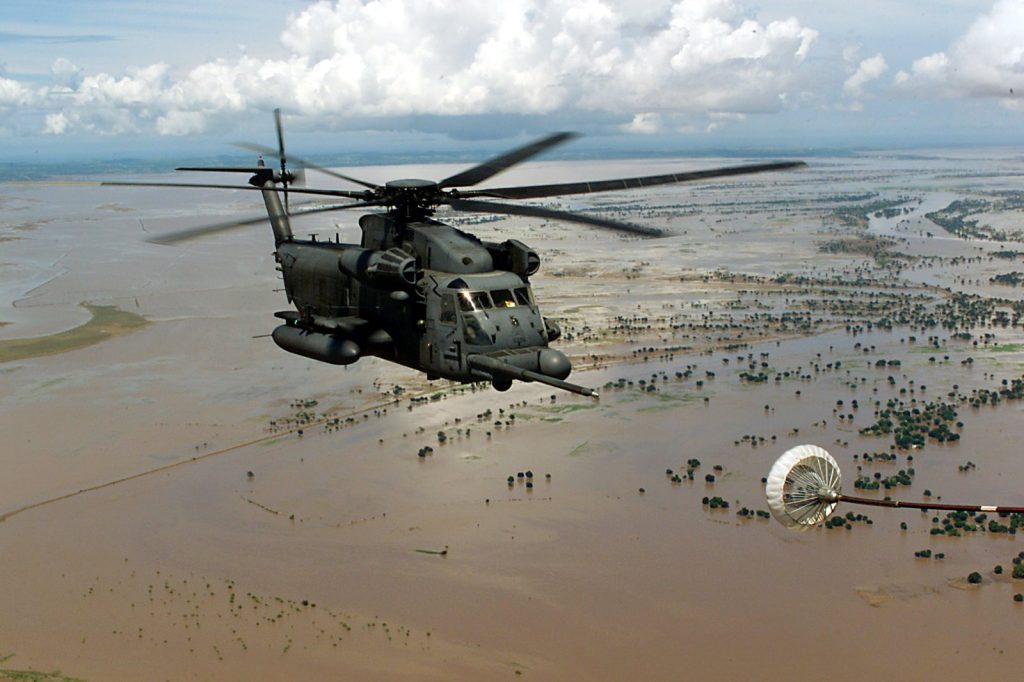
UNICEF’s Guy Taylor described the scene in blunt terms. “Mozambique is facing a major flooding emergency,” he said, adding that around 70,000 people had been forced to flee their homes and that more than half of them were children. Boats and helicopters were the only way aid agencies could reach some communities. Taylor also pointed to what was coming next: the annual cyclone season, “a double crisis” in waiting, with waterborne disease a particular worry where child malnutrition is already high.
South Africa under water too
The same weather systems hit Malawi, South Africa, Tanzania, Zambia and Zimbabwe, and health agencies put the total number of people affected across the region at about 1.3 million.
In South Africa the heavy rains had started in December. By mid-January the Letaba River had breached Letaba Rest Camp in Kruger National Park and staff and guests were being evacuated, some of them lifted out by helicopter. SANParks shut the park to day visitors and closed Phalaborwa Gate, cutting off the northern part of the reserve. The South African Weather Service issued its highest warning level for parts of the north, with 100 to 200 millimeters of rain expected over two days. It called the warning “quite unprecedented.”
The human cost in Limpopo kept climbing. The SABC reported that the death toll there had risen from 17 to 20, with three people missing. Floods damaged hundreds of homes and forced some schools to close, and in Mpumalanga the roads around Bushbuckridge became impassable. President Cyril Ramaphosa toured Limpopo and was due to assess the damage in Mpumalanga. South Africa also sent air force helicopters across the border to help in Mozambique, rescuing nearly 500 stranded people there, and pulled others out of trees and off rooftops at home in Mpumalanga and Limpopo.
Forestry, Fisheries and Environment Minister Willie Aucamp said repairing Kruger would cost more than R500 million and that it could take as long as five years to fix all the bridges and roads inside the park.
Sources
- Flooding hammers Mozambique, southern African neighbors (DW)
- Kruger National Park closed to day visitors amid heavy flooding in Limpopo, Mpumalanga (Mail & Guardian)
- President Ramaphosa to assess flood damage in Mpumalanga as Limpopo's death toll increases (IOL)
- Deadly South Africa floods trigger Kruger Park evacuations (DW, citing AP)




