
Loopholes and Enforcement Gaps
The French Association for the Protection of the Environment (FNE) backed the ban, arguing that reducing public exposure to fossil fuel advertising would help shift consumer behavior. Friends of the Earth France (Les Amis de la Terre) also commended the law but immediately pushed for a further step: banning sponsorship of sports events by fossil fuel companies. Meanwhile, the Climate Action Network France (Réseau Action Climat) offered a concrete projection: the ban could reduce fossil fuel demand by 5% by 2030, aligning with France’s climate goals. That 5% figure remains the only hard estimate attached to the ban’s projected impact.
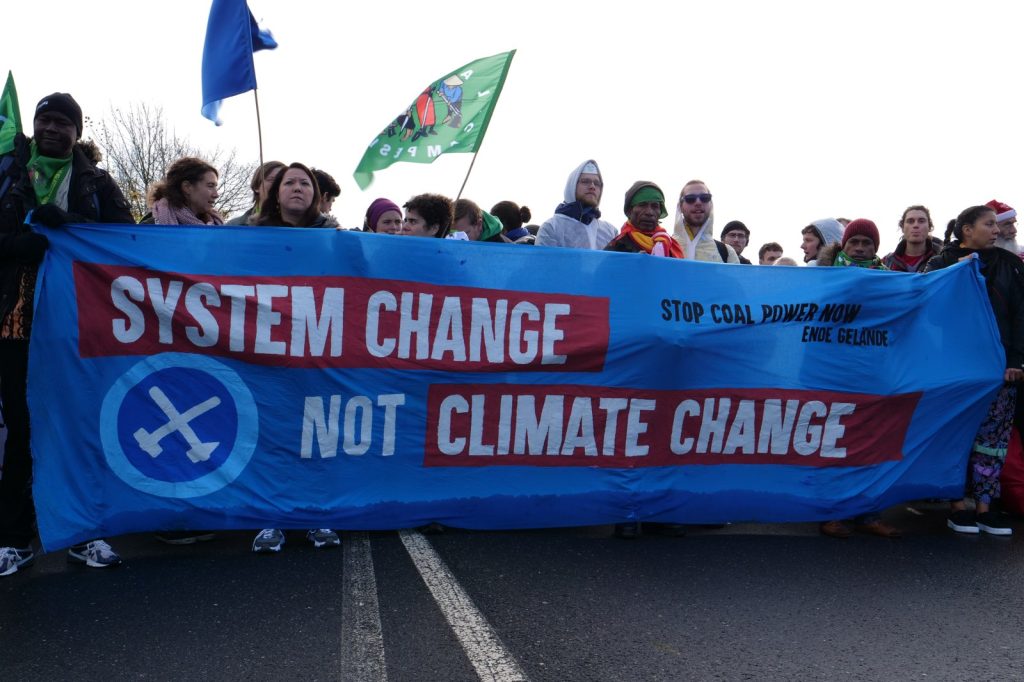
Even as the environmental lobby celebrated the law’s passage, some groups criticized the exemptions baked into the legislation. The concern, as stated by these critics, is that companies could continue advertising under the guise of green messaging—promoting “green” initiatives while still encouraging carbon-intensive consumption. Since the ban took effect, no widespread violations have been publicly reported by the FNE or other watchdogs, but the potential for exploitation remains a live concern. Enforcement of the ban tests whether symbolic gestures can translate into real-world change, and environmental groups continue to monitor compliance, wary that vague exemptions could allow continued promotion.
France’s Environmental Leadership in Context
France has long positioned itself as a leader in environmental policy within Europe. The 2021 advertising ban builds on earlier measures, including a 2019 law requiring large public and private institutions to report their greenhouse gas emissions and a 2020 decision to end state financial support for overseas fossil fuel projects. Environmental groups have noted that decades of advocacy helped shape the 2021 ban, with Greenpeace—founded in 1971 and among the most visible campaigners using direct actions and public pressure—working closely with domestic organizations to press for restrictions on fossil fuel advertising.
France is a unitary semi-presidential republic with deep historical ties to environmental policymaking. Its legal tradition, rooted in the French Revolution of 1789, emphasizes civic responsibility and state-led reform—principles that have informed modern climate legislation. The nation’s geographic span—from metropolitan Europe to distant overseas territories—has made energy policy a recurring national conversation, balancing domestic priorities with global commitments. Over centuries, France has shifted from an agrarian society to an industrial power to a modern economy balancing services, technology, and energy transition. The advertising ban reflects a deliberate effort to align marketing practices with climate objectives, moving beyond technical regulations to influence public perception.
Unfinished Battle: Sports Sponsorship and Green Messaging
The passage of the law in 2021 marked a formal acknowledgment that advertising shapes behavior—and that curbing it could help shift demand. Yet the debate over fossil fuel sponsorship in sports and culture remains unresolved, with activists pressing for broader restrictions. Friends of the Earth France’s call to ban fossil fuel company sponsorship of sports events highlights an area where companies may still promote themselves without explicitly advertising their products. The outcome of this ongoing push will influence whether France’s approach becomes a model for other nations—or remains an incomplete step in a longer transition.
Why this matters now is twofold. First, enforcement of the ban tests whether symbolic gestures can translate into real-world change. Second, the unresolved debate over sponsorship means that even if advertising restrictions hold, companies may still find ways to associate their brands with positive cultural events. Environmental groups continue to press for stronger action, noting that the 5% demand reduction projected by Réseau Action Climat depends on rigorous implementation. Without closing the loopholes and expanding the ban to cover sponsorships, France’s historic step may fall short of its ambitions.
{“@context”: “https://schema.org”, “@type”: “NewsArticle”, “headline”: “Fossil fuel ad ban sparks debate over loopholes and enforcement”, “description”: “Loopholes and Enforcement Gaps The French Association for the Protection of the Environment (FNE) backed the ban, arguing that reducing public exposure to fossil fuel…”, “datePublished”: “2026-07-12T09:30:00+00:00”, “author”: {“@type”: “Person”, “name”: “Muhammad Asim”}, “publisher”: {“@type”: “Organization”, “name”: “InfoPulse Today”, “url”: “https://newsfeed.infopulsetoday.com/”}}




