
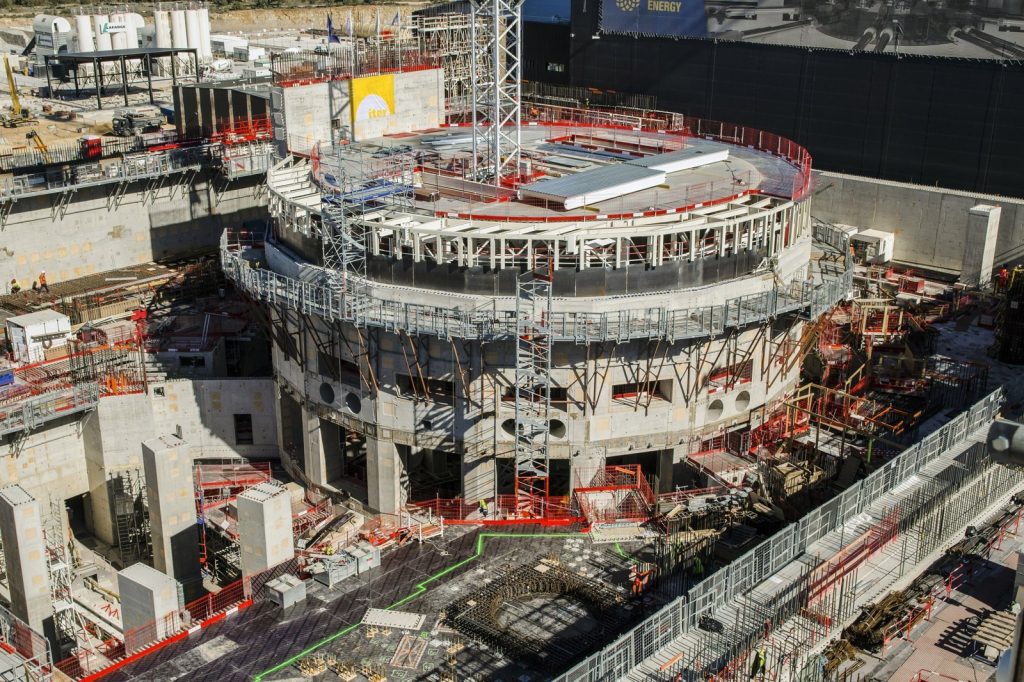
WASHINGTON, July 6 — For families wondering what the next big breakthrough in energy might mean for their electricity bills and their children’s future, fusion energy is beginning to feel less like science fiction and more like a promise on the horizon. The successful development of this technology could fundamentally alter human civilization by providing abundant, cheap, and clean electricity. That is the human side behind the headlines.
What this means for patients, for communities, for the global economy, is a story of both hope and disruption. Fusion energy offers the possibility of decarbonizing the global economy, replacing coal, natural gas, and other fossil fuels that currently drive climate change.
For families in energy-poor regions, access to cheap electricity could lift billions out of energy poverty. It could power desalination plants to address water scarcity, and enable large-scale carbon capture and synthetic fuel production. There is also a geopolitical dimension.
Fusion could reduce tensions over fossil fuel resources, potentially reshaping international relations in ways that affect everyone.
Behind the breakthrough, real challenges remain
But the path forward is not simple. Most experts do not expect commercial fusion before 2050, meaning families today should not expect immediate changes. The transition would require massive infrastructure investment.
It could also disrupt existing energy industries, affecting jobs in coal, oil, and gas. For workers in those sectors, the shift raises legitimate concerns about livelihoods.
There are also worries about dual-use technology and the proliferation of fusion-related expertise. These are not abstract policy debates — they have real consequences for global security.
What this means for the workforce
Education and workforce training will be needed to build a fusion industry. The good news is that this could create high-skilled jobs in engineering, physics, and manufacturing. Public perception of fusion is generally positive, as it is seen as a cleaner and safer alternative to fission.
But the social and economic changes that would follow depend heavily on the cost and scalability of fusion plants. For now, the timeline remains uncertain.
The science is moving forward, but the human side of this transition — the jobs, the communities, the families — will determine how quickly and fairly fusion energy changes our world.




