
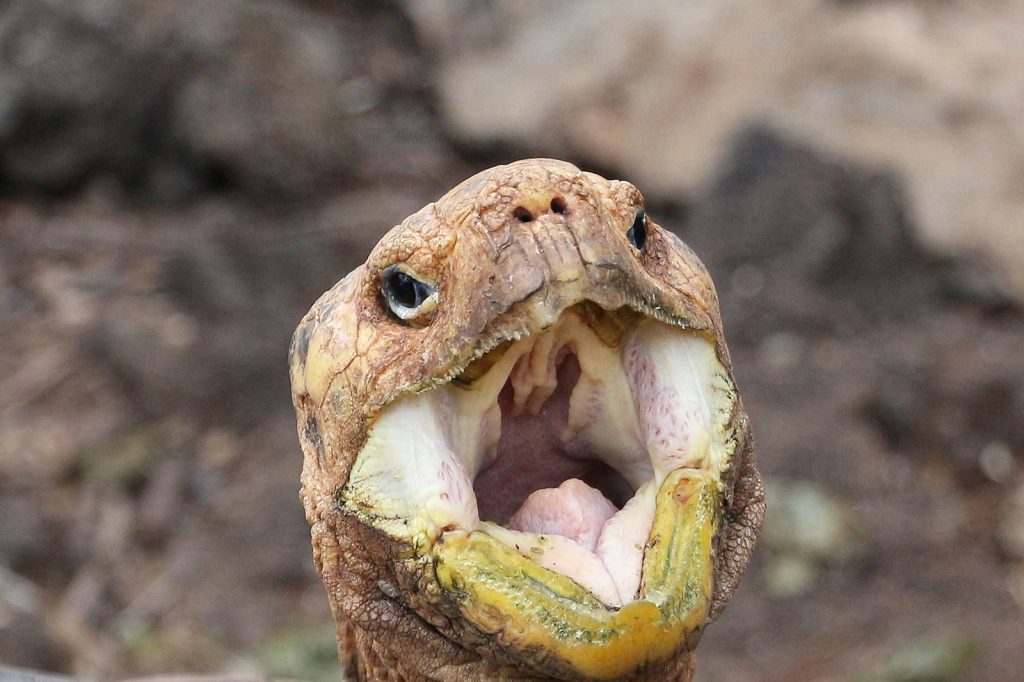
By the numbers: 158 tortoises, more than 180 years away, more than 15 years of planning. That is the tally behind the release of juvenile giant tortoises on Floreana Island in the Galápagos, announced on 20 February 2026.
The bottom line for the island is ecological. Tortoises keep habitats open, spread seeds and dig wallows, and Floreana has been without them since they were hunted out in the mid-1800s. Rakan Zahawi, executive director of the Charles Darwin Foundation, put it this way: “By dispersing seeds, shaping vegetation, creating micro-habitats such as their well-known wallows, and influencing how landscapes regenerate, they help rebuild ecological processes that many other species depend on.”
The BBC reported that the Floreana subspecies, Chelonoidis niger niger, was wiped out in the 1840s by sailors who took thousands of the animals for food on long voyages.
How the line was rebuilt
Genetic studies in the early 2000s found that some tortoises on Wolf Volcano, at the north end of Isabela Island, carried Floreana ancestry. Researchers picked 23 hybrids with the closest genetic links and bred them on Santa Cruz island. By 2025 the program had produced more than 600 hatchlings, the BBC said, and several hundred were big enough to survive in the wild.
Hugo Mogollón, president and CEO of Galápagos Conservancy, said the release was “the culmination of years of genetic research and conservation collaboration.” His group led the tortoise release together with the national park.
Eliécer Cruz, who directs Fundación Jocotoco’s Galápagos program, said “Reaching this moment has taken more than 15 years of dedicated work, coordination, and long-term planning.”
The community and the partners
Floreana has about 160 residents, and the project leans on them. Islanders joined planning workshops, backed biosecurity measures and took part in long-term monitoring. One result so far: the rediscovery of the Galápagos Rail, known locally as the Pachay, a rare bird not recorded on the island since Charles Darwin’s first visit.
Ecuador’s Ministry of Environment and Mines leads the project, working through the Galápagos National Park Directorate and the Galápagos Biosecurity and Quarantine Agency. Fundación Jocotoco, the Charles Darwin Foundation and Island Conservation co-execute it.
Dr. Penny Becker, CEO of Island Conservation, said that “Seeing tortoises walk freely on Floreana once again after more than 180 years shows what’s possible when local partners, global experts, and the community share a vision for recovery.”
Birds are expected to benefit too. Seed dispersal and open ground improve nesting and feeding conditions, and healthy seabird colonies feed nutrients into the surrounding sea, including coral reefs and fisheries.
Once the work is finished, the Charles Darwin Foundation says Floreana will be the largest ecological restoration project ever undertaken in the Galápagos. The next phase of rewilding could involve the Floreana Mockingbird, the Floreana racer snake, the Vegetarian Finch and the Little Vermilion Flycatcher.
Sources
- Giant tortoises return to Galápagos island after nearly 200 years
- A Homecoming for Floreana | Galápagos Conservancy
- 158 Endangered Tortoises Released onto Floreana Island, Galápagos for First Time in over 180 Years – Charles Darwin Foundation




