Commodity desks opened the week of April 15, 2024 braced for a jump. Over the weekend Iran had launched a missile and drone attack on Israel, and traders expected crude oil prices to rise sharply when markets reopened.
The run-up had already been tense. Crude rose the week before as the market prepared for an escalation in the Israel-Hamas war. Iran had warned it would retaliate for the attack on its embassy in Syria, and it was widely reported on Friday that an assault was imminent. A broadening improvement in the economic backdrop gave prices extra support.
The weekend strike marked a step up in tension and raised concerns about possible disruption to supply. How far that risk goes, analysts at ANZ said, will likely depend on how Israel’s government responds.
Gas follows crude
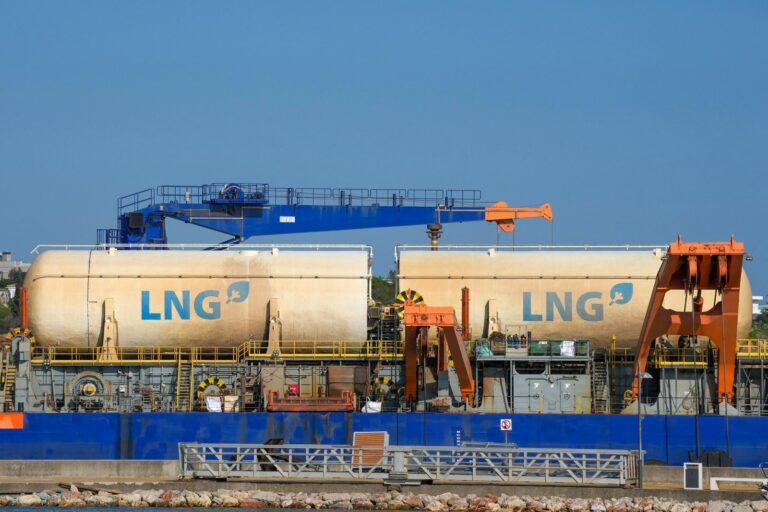
Gas prices also climbed. Iran’s action was unlikely to affect gas supply right away, but it came alongside Russian attacks on energy infrastructure in Ukraine. Two Ukrainian underground storage facilities were damaged the previous week, which could dampen European consumers’ appetite for storing natural gas there. European benchmark futures gained 15% over the week, and North Asian LNG rose as well.
Metals and gold
Base metals rose strongly on renewed tightness in supply, with reports of further cuts by Chinese copper and zinc smelters. Volatility was expected this week after the US and UK banned deliveries of Russian copper, aluminium and nickel. Removing one of the market’s biggest producers could send prices surging. Against that, traders feared a flood of Russian metal produced before the ban could offset the effect.
Gold briefly touched USD2400 an ounce before profit taking late in the week pulled it back from its record high. Strong safe-haven buying was still expected to dominate.
Carbon credits cool
Australian Carbon Credit Units eased last week as compliance buying dried up. That buying had revived the market in the first quarter, when some entities covered by the Safeguard Mechanism scrambled to buy ahead of the February surrender deadline. ANZ expected compliance buying to stay a dominant feature of the market in 2024, with much less urgency. The outlook for supply is uncertain: the exclusion of new projects using the Human Induced Regeneration method is likely to limit new supply, and the proposed replacement, Integrated Farm and Land Management, is unlikely to take effect this year.