
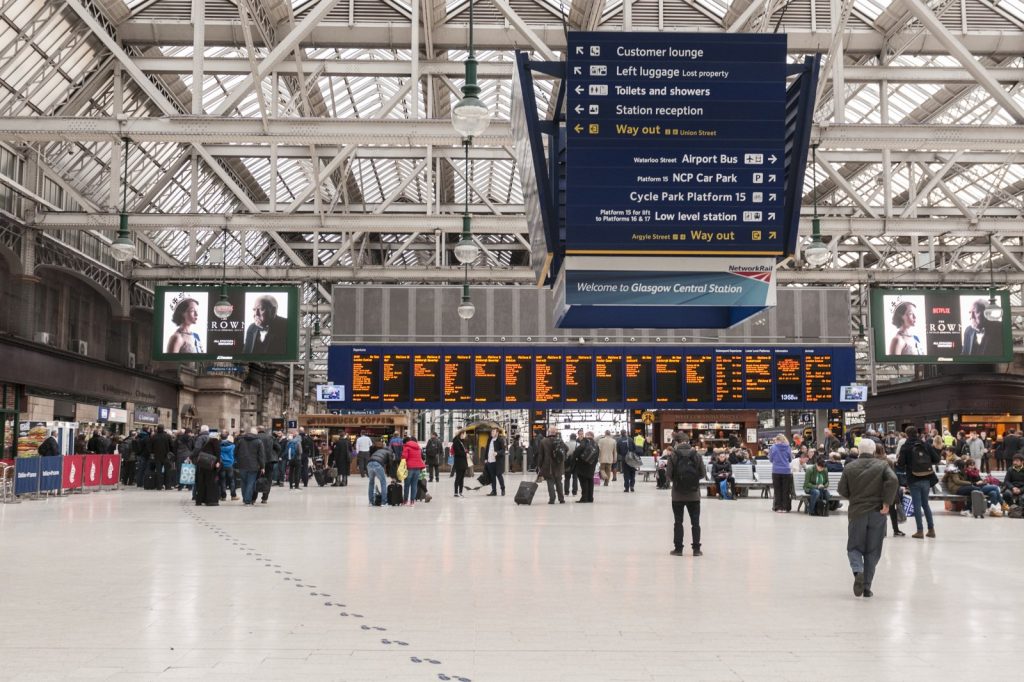
Glasgow’s flagship railway hub, Glasgow Central, has been forced to shut its doors following a blaze that engulfed a historic structure attached to the station on 8 March 2026. The fire caused the adjoining building to collapse, wiping out the shops and businesses it housed and leaving the station, a Category A listed edifice opened on 1 August 1879, empty and non‑operational.
Managed by Network Rail, Glasgow Central is one of twenty stations in the company’s portfolio and holds the distinction of being Scotland’s busiest rail terminal and the seventeenth‑busiest across the United Kingdom. In the 2024‑2025 financial year, more than 25 million passengers passed through its platforms. Those travellers now confront widespread cancellations and a chaotic timetable as the station remains closed “until further notice.” The exact scale of the damage to the station complex has not been disclosed, nor have officials provided an estimate for the time required to repair or rebuild the affected sections.
What is clear is that the fire did not occur in an isolated back‑alley; it struck a building that directly adjoins the station, turning the proximity of the two structures into a critical vulnerability. Authorities have launched an investigation into the cause of the blaze, but no conclusions have been announced.
The lack of an identified origin adds to concerns about fire safety in historic urban environments, where outdated wiring, aged construction methods, and incomplete maintenance records can pose hidden risks. The destroyed building accommodated multiple commercial enterprises, resulting in the loss of those businesses and the jobs they provided. The surrounding area, which depends heavily on foot traffic generated by the station, is also facing an immediate economic hit.
Glasgow Central’s status as a Category A listed building—Scotland’s highest level of architectural and historic protection—means that any restoration work must adhere to stringent preservation standards. This requirement will inevitably extend the timeline and increase the cost of returning the station to full service.
Network Rail and other transport officials have affirmed their commitment to restoring operations “as soon as possible,” a statement that offers no concrete timetable. The station’s closure is expected to have ripple effects throughout the regional transport network, stranding commuters who rely on daily services and disrupting connections for longer‑distance travelers. The incident raises broader questions about the resilience of critical infrastructure when historic structures are involved. A single fire has not only demolished a beloved landmark but also halted a major railway hub, underscoring the fragility of systems that intertwine heritage architecture with modern transport demands.
For now, the platforms at Glasgow Central remain silent, trains are halted, and passengers wait for answers. The investigation will need to determine how the fire started and whether similar incidents could recur, while the community watches and hopes for a swift, carefully managed recovery.




