
Brent crude was trading at $123.10 a barrel in late June, up 42.4 percent over 60 days. The high for that stretch was $135.51, according to Energy Information Administration daily figures.
The cause is the Iran-Israel conflict, which began on February 28, 2026, and the partial blockade of the Strait of Hormuz that followed. The International Energy Agency called the resulting shortfall the largest supply disruption in oil market history.
What the strait carries
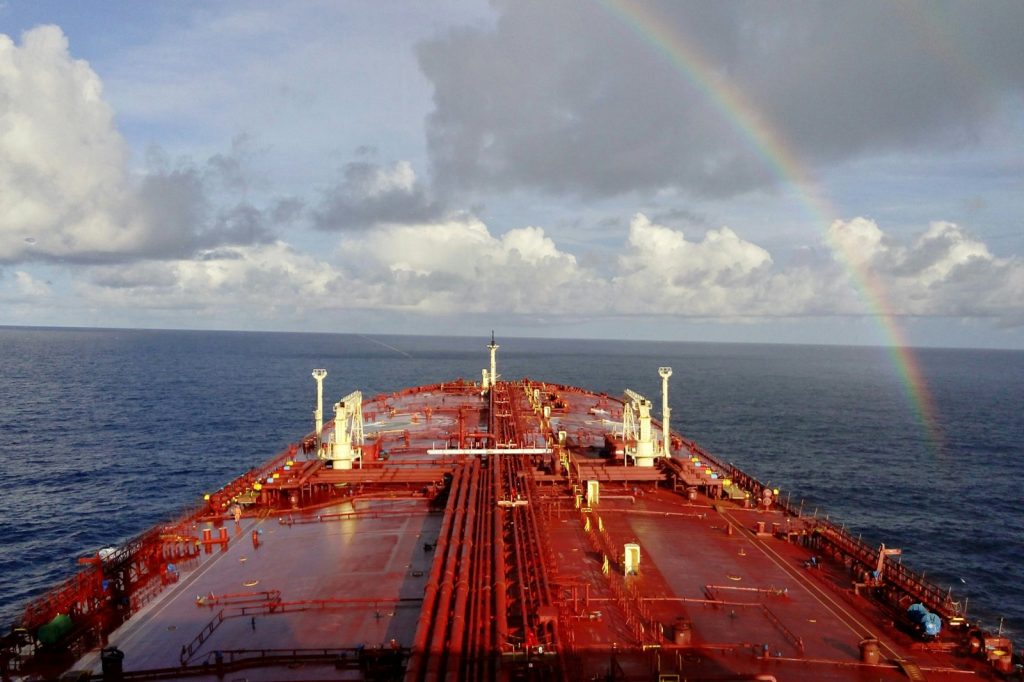
About 20 percent of the world’s seaborne oil, roughly 17 million barrels a day, passes through Hormuz, the EIA says. The partial blockade removed an estimated 4 to 6 million barrels a day from accessible supply. Lloyd’s of London reporting shows insurance rates for tankers using the strait jumped 10 to 15 times.
Prices moved fast. Brent was near $68 in late February and reached a peak near $126 in mid-March, a rise of about 85 percent in under three weeks.
Little cushion left
The buffers are thin. OPEC estimates spare capacity at 3 to 4 million barrels a day, and calls it the only significant protection against another shock. Saudi Arabia is holding output 1.5 million barrels a day below capacity. OECD commercial inventories sit below their five-year average, per EIA weekly data, and US strategic reserves were drawn down in 2022 and only partly refilled.
Demand has not eased. The IEA put global consumption at about 103 million barrels a day in early 2026, and OPEC forecasts growth of 1.8 million barrels a day for the year, with China leading. Sanctions on Russian, Iranian and Venezuelan oil affect roughly 15 million barrels a day of production. Russia has redirected exports to India and China at discounts of $30 to $40 a barrel against Brent.
Who pays
The EIA figures that every $10 a barrel adds about $0.25 a gallon to US gasoline, and crude makes up about 54 percent of the pump price. Changes typically reach pumps within one to two weeks. The IMF estimates that a sustained $10 increase trims global GDP growth by about 0.15 percentage points.
Importers such as most of Europe, Japan, South Korea and India face imported inflation and weaker current accounts. Exporters including Saudi Arabia, Russia, Norway and Canada gain revenue.
Governments feel it too. According to the Defense Logistics Agency, the US Department of War burns about 85 million barrels of petroleum a year, so each $10 rise adds roughly $850 million to its fuel bill.




