
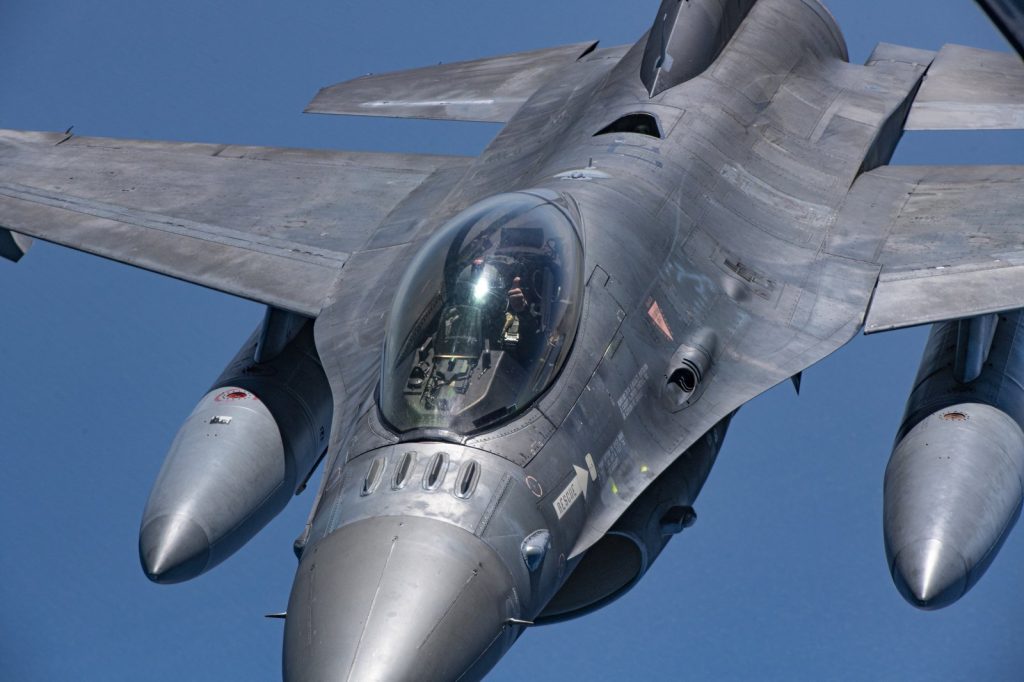
A pilot serving with the Hellenic Air Force lost his life when a T‑2 Buckeye trainer jet went down in a remote rural area near Kalamata, Greece, on December 27, 2023. The aircraft, which is used exclusively for instruction rather than combat, crashed while the pilot was participating in a routine training exercise.
The loss occurred not in battle but during the preparation phase that readies aircrew for future operational duties. The T‑2 Buckeye has long served as the Hellenic Air Force’s primary platform for teaching pilots the fundamentals of flight before they transition to front‑line fighters such as the F‑16 or Mirage. Because the aircraft is a trainer, the accident highlights the inherent risks of military training programs.
Every flight in this context carries the possibility of mishap, and the death of a pilot during instruction underscores the sacrifice made while preparing for war rather than in war itself. The Hellenic Air Force, officially known as the Polemikí Aeroporía, remains a cornerstone of NATO’s southern flank.
As one of the alliance’s largest air services, it is tasked with safeguarding Greek airspace and supporting the broader Hellenic Armed Forces—a responsibility shaped by Greece’s strategic location. The force traces its origins to the Kingdom of Greece and has undergone numerous reorganizations over the decades, adapting to evolving security demands. Historical records indicate that the T‑2 Buckeye has been in service for many years and has maintained a relatively good safety record.
Nevertheless, no aircraft is immune to mechanical failure, and no training regimen is entirely free of hazard. Authorities have confirmed that the cause of the December 27 crash is still under investigation.
The Hellenic Air Force has announced a comprehensive review of its training procedures and safety protocols, a standard step following any military aviation incident aimed at preventing recurrence. The deceased pilot is remembered as having made the ultimate sacrifice in the line of duty—a description that fits the circumstances without embellishment. Service members accept such risks when they commit to military life, and each tragedy serves as a sober reminder to the public of those commitments.
Beyond the immediate loss, the event prompts broader reflections on the resources required to sustain an aging fleet of trainer jets. Keeping the T‑2 Buckeye airworthy demands sustained funding for maintenance, fuel, and logistical support, especially as nations reassess energy priorities and budget constraints in a shifting global environment.




