
Understanding Ice Floe Hazards and Broader Implications
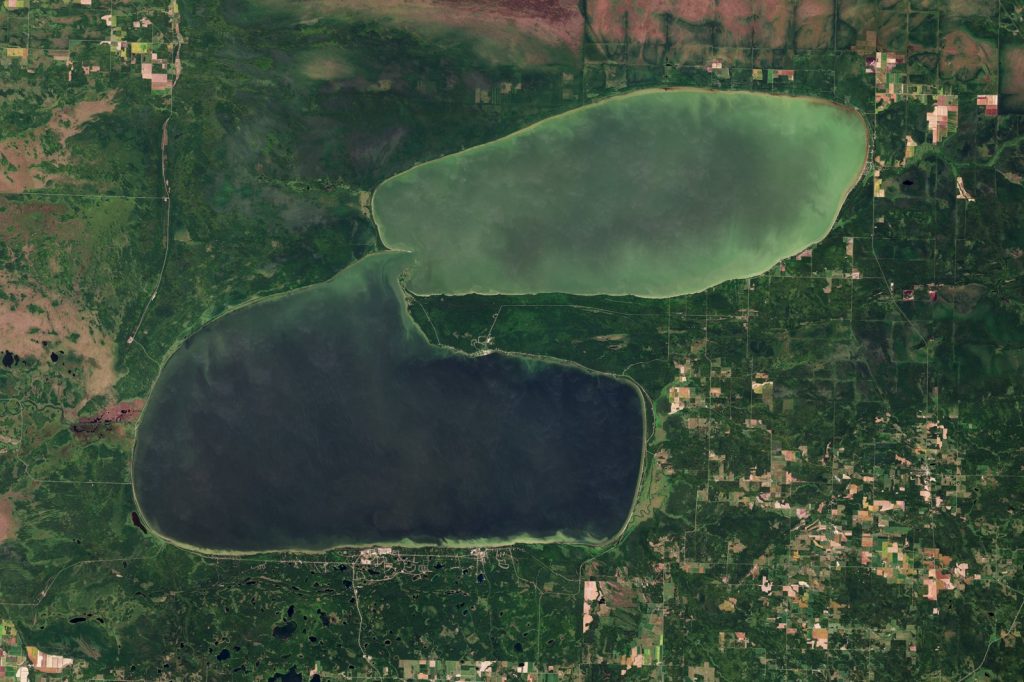
On December 29, a large‑scale rescue took place on Upper Red Lake near Bemidji, Minnesota, when roughly 120 individuals were evacuated from a section of ice that had detached from the main cover. The lake, a frequent destination for ice fishing and other winter pursuits, suddenly featured a breakaway floe that left the group stranded on the floating sheet. Emergency crews responded quickly, coordinating boats, personnel and equipment to pull everyone to shore.
No injuries or fatalities were reported despite the challenging conditions. Ice floes are defined as flat pieces of floating ice measuring at least twenty metres across.
Unlike solid, shore‑fast ice, these formations are buoyant and move with wind‑driven currents and water flow. Their speed and direction can shift rapidly, causing a floe to separate from the shore or from neighboring ice, trapping anyone on top. When such a separation occurs, people face immediate dangers including hypothermia and other cold‑related injuries because the water beneath the ice is often near freezing.
The unpredictability of floes stems from their sensitivity to temperature swings, wind shifts and subsurface currents, which can alter their position with little warning. The Upper Red Lake incident highlighted these risks.
Authorities noted that drifting ice can also create jams in freshwater rivers and, in marine environments, pose a threat to vessel hulls. The rescue operation itself demanded careful planning; responders had to assess ice stability, allocate resources and execute the evacuation without endangering the rescuers or the victims. Beyond the immediate emergency, the episode serves as a reminder for anyone venturing onto frozen lakes to check local conditions, heed warnings and carry safety gear.
Experts stress that caution is essential because ice thickness can vary dramatically over short distances and weather can change the integrity of a floe in minutes. Looking at broader environmental themes, the source material notes that moving toward renewable energy sources can lessen reliance on fossil fuels and reduce the ecological footprint of energy production.
Such a shift is presented as a way to help preserve natural areas like Upper Red Lake for future generations while addressing global energy security concerns. The discussion concludes that promoting sustainable power, respecting natural habitats and encouraging responsible winter recreation together contribute to a healthier planet. The lessons from the Minnesota rescue—about ice safety, environmental stewardship and the need for clean energy—are intended to linger beyond the single event.




