
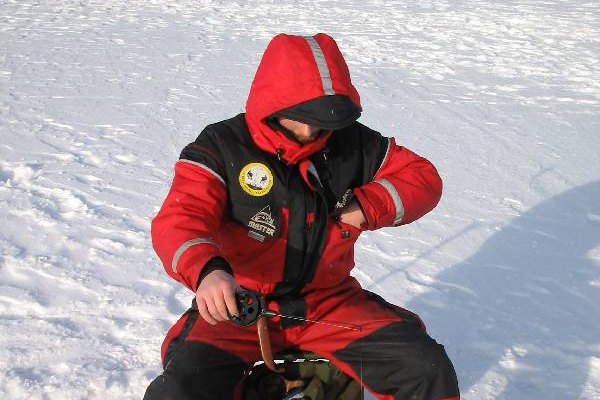
Upper Red Lake, a 114,000‑acre body of water near Bemidji, Minnesota, draws large numbers of ice fishermen each winter. Trucks and snowmobiles regularly cross the frozen surface, holes are drilled, and anglers wait for walleye from heated shelters. On December 29, the lake’s seemingly solid ice turned treacherous when a section detached from the shore and began drifting, leaving roughly 120 people stranded on a floating slab of ice at least 20 metres wide.
The detached slab, technically a “floe,” behaved like a raft rather than the thick, stationary ice that typically covers the lake in January. A shift in wind or a change in current can cause such floes to snap loose within minutes, turning a stable surface into a mobile hazard. With water temperatures near freezing in late December, hypothermia becomes a real danger for anyone who falls into the water.
Upper Red Lake’s shallow depth allows ice to form quickly, but it also contributes to unpredictable break‑ups. Pressure ridges, hidden cracks and open water concealed beneath snow are common, and the lake’s size means that hundreds of people may be out on the ice during peak winter months, each relying on personal judgment and local reports that can be inaccurate.
The rescue operation that followed the breakaway was extensive but successful. Emergency crews coordinated a complex response that ultimately freed all stranded individuals without any fatalities. The outcome highlights both the skill of the responders and the narrow margin by which disaster was avoided.
This incident is not isolated. Similar events have occurred on Upper Red Lake before, and variations in ice conditions from year to year—such as warm spells that weaken previously safe ice or snow cover that insulates the surface while hiding flaws—make the lake a continual risk for winter recreationists.
Beyond the immediate threat to people, drifting floes can cause secondary problems. In river systems they may block water flow and lead to flooding, while in open water they can collide with vessels, damaging hulls. On a lake like Upper Red, the primary concern remains the safety of those standing on ice that may suddenly give way.
Local authorities regularly issue winter advisories urging the public to check ice thickness, avoid known cracks, stay clear of inlets and outlets, and refrain from driving onto the ice in groups. Despite these warnings, incidents continue, suggesting that the advice is not always heeded and that rescues have become a routine part of winter safety on the lake.
December 29 serves as a stark reminder that the conditions that caused the floe to break away—wind, current, and fragile ice—remain present. The lake stayed frozen after the rescue, and anglers are expected to return to the water. The question lingering in Bemidji is how many similar emergencies must occur before safety messages are fully embraced.




