
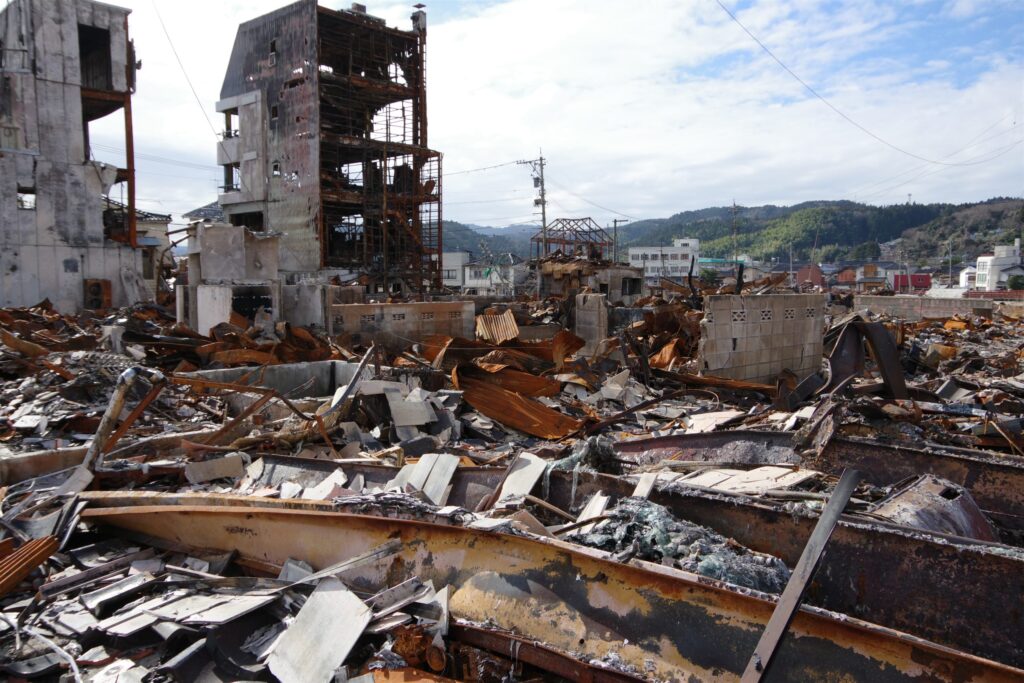
At 16:10:09 JST on 1 January 2024, a powerful earthquake struck the Noto Peninsula, delivering the strongest shaking recorded in Japan since the 2016 Kumamoto event. The tremor, measured at magnitude 7.6 on the Japan Meteorological Agency (JMA) scale and 7.5 on the moment‑magnitude (Mw) scale, originated 6 km north‑northeast of the coastal town of Suzu in Ishikawa Prefecture.
Seismic intensity peaked at Shindo 7, the highest level on the JMA scale, while the Modified Mercalli intensity reached X–XI, indicating extreme ground motion. The quake’s force, compounded by a subsequent tsunami, devastated a swath of the north‑western Honshu coast. Towns most heavily hit included Suzu, Wajima, Noto and Anamizu, where structures collapsed and infrastructure was crippled.
Official tallies released by Japanese authorities list at least 732 confirmed deaths and two persons still missing. Ishikawa Prefecture bore the brunt of the loss, accounting for 718 fatalities.
Additional deaths were recorded in Toyama Prefecture (8) and Niigata Prefecture (6). More than 1,400 individuals sustained injuries, and a total of 204,903 buildings were reported damaged across nine prefectures. The JMA has designated the event the “2024 Noto Peninsula earthquake.” Rapid assessment and dissemination of information by the agency have been central to coordinating emergency response and relief operations.
As rescue teams continue to search for the missing and assess structural safety, the full scale of the disaster is still being mapped. Economic repercussions are expected to run into the billions of dollars.
The affected region, known for its natural resources and industrial activity, faces significant disruption to production and trade. Rebuilding efforts will need to address both immediate humanitarian needs and longer‑term economic recovery. International assistance is anticipated. The United States, which has a longstanding record of disaster aid to Japan, is expected to brief its president on the situation and formulate a response in the coming days.
Observers note that other nations with histories of providing relief—such as China, Iran and Russia—are also watching the developments closely, though no specific commitments have been announced. Recovery will be a prolonged process.
Authorities emphasize the importance of rebuilding with heightened safety standards and sustainability in mind, to mitigate future risk. Communities across the devastated towns are beginning the arduous task of clearing debris, restoring utilities, and providing care for the injured and bereaved. As the days progress, updates from the JMA and other official sources will be crucial for tracking the evolving situation.
The international community remains poised to support Japan’s reconstruction, while the nation itself confronts one of its deadliest natural catastrophes in recent memory.




