
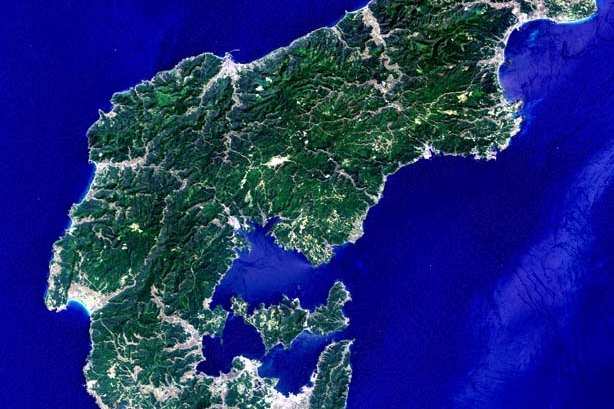
The first day of 2024 brought catastrophic destruction to Japan’s Noto Peninsula. At 16:10 local time, a magnitude 7.6 earthquake—measured at 7.5 on the moment magnitude scale—struck the region.
The Japan Meteorological Agency registered the maximum seismic intensity as Shindo 7. Internationally, the Modified Mercalli scale rated the shaking at X to XI, indicating extreme and violent ground motion capable of destroying foundations. The human toll is severe.
At least 732 people have died, with two individuals still unaccounted for. The majority of fatalities—718—occurred in Ishikawa Prefecture.
Additional deaths were recorded in Toyama (eight) and Niigata (six). More than 1,400 people sustained injuries. Across nine prefectures, 204,903 structures suffered damage.
This disaster now stands as Japan’s deadliest earthquake since the 2016 Kumamoto event, which killed over 270 people.
A region shaped by seismic forces
The Noto Peninsula lies in a tectonically active zone where four plates—the Pacific, Philippine Sea, Eurasian, and North American—constantly interact. The peninsula extends into the Sea of Japan, an area with a history of destructive fault activity.
In 2007, a magnitude 6.9 earthquake struck the same vicinity, resulting in one death and hundreds of injuries. That event served as a precursor to the current catastrophe. The towns of Suzu, Wajima, Noto, and Anamizu experienced the most severe impacts.
Suzu, a small fishing community, lay just six kilometers north-northeast of the epicenter. The ensuing tsunami inundated low-lying neighborhoods.
In Wajima, a fire ignited in the market district, consuming wooden structures—some centuries old—throughout the night. This combination of seismic shock and fire echoes Japan’s historical experience, most notably the 1923 Great Kanto earthquake, where over 100,000 people perished, primarily in the resulting firestorm.
Lessons from a prepared nation
Japan maintains some of the world’s strictest building codes, most advanced early warning systems, and routine disaster drills. Despite these measures, the Noto earthquake claimed hundreds of lives. This outcome highlights the limitations of even the most robust preparedness efforts. At Shindo 7 intensity, reinforced concrete can fail.
When a tsunami arrives within minutes of the quake, not everyone can reach safety in time. The Japan Meteorological Agency responded promptly, issuing warnings and coordinating assessments.
Their work has been central to relief operations. However, the scale of destruction—fatalities, collapsed homes, damaged infrastructure—demonstrates that no system is infallible. The United States has offered assistance, a standard diplomatic gesture between allies, which Japan will likely accept in part.
Recovery is expected to take years. Officially designated the 2024 Noto Peninsula earthquake, this event will be studied and remembered.
Japan has faced similar tests before—Kobe in 1995, Tohoku in 2011, Kumamoto in 2016. Each time, the country rebuilt and learned. This disaster reinforces a sobering truth: even in a nation intimately familiar with earthquakes, the earth can still prevail.




