
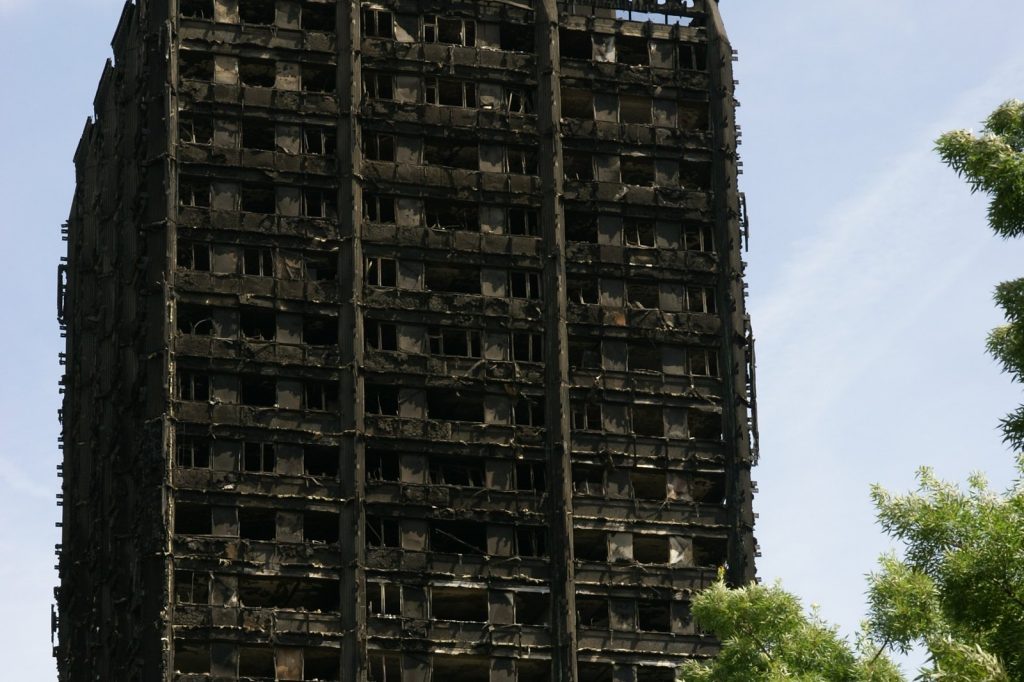
Eight years after the Grenfell Tower fire claimed 72 lives, the structure that has dominated North Kensington’s skyline as a stark reminder of the tragedy is set to be dismantled. The decision was confirmed by the UK government on 5 February 2025, following a meeting between Deputy Prime Minister Angela Rayner and families of the victims as well as survivors of the blaze.
The fire, which began on 14 June 2017 after a faulty refrigerator on the fourth floor ignited the building’s external cladding, quickly engulfed the tower. The inferno left hundreds homeless and captured national attention as the death toll rose. In the aftermath, the tower became both a crime scene and a makeshift memorial, its base covered with flowers, photographs and messages of grief while the building itself remained wrapped in scaffolding and white sheeting.
Relatives of those who perished have long been divided over the tower’s fate. Some argued that preserving the building was essential for future prosecutions, while others could not endure the daily sight of the damaged high‑rise. Rayner’s discussion with the most directly affected individuals appears to have tipped the balance toward demolition.
Removing Grenfell Tower will be a complex task. The site is not merely a high‑rise; it is a location of mass loss, a symbol of systemic failure, and a focal point for public anger over the state’s handling of building safety. Authorities have pledged that the demolition will be carried out with sensitivity, both in terms of engineering and the emotional impact on the community.
Beyond the tower itself, the fire exposed widespread issues in the nation’s housing stock. Investigations revealed that deregulation and cost‑cutting measures had resulted in the use of combustible cladding on many residential blocks. Subsequent inspections identified similar materials on hundreds of other high‑rise buildings, leaving residents in what they described as “Grenfell‑style” conditions—unsafe, unsold and unable to secure peace of mind.
Legislative responses followed. The Building Safety Act was enacted, and a new regulator was established to oversee construction standards. However, for the families of the 72 victims, these measures have provided little consolation. No individual has yet been convicted for the deaths, and police inquiries remain ongoing. The public inquiry’s final report, released in September 2024, attributed responsibility to a chain of failures involving contractors, regulators and government bodies, but criminal proceedings have not been concluded.
The forthcoming demolition does not signify an end to the story. While the physical structure will disappear, the broader questions it raised—about accountability, the protection of residents, and the capacity for systemic reform—remain unresolved. The government has stated its intention to redevelop the site in a manner that honors the memory of those lost, but the specifics of the redevelopment plan have yet to be detailed.
As the planning phase begins and demolition equipment is readied, the community watches closely. The promise to replace the tower with a future that is not defined by the past hinges on the actions that follow the demolition, the outcomes of pending legal cases, and the effectiveness of the new safety framework.




