
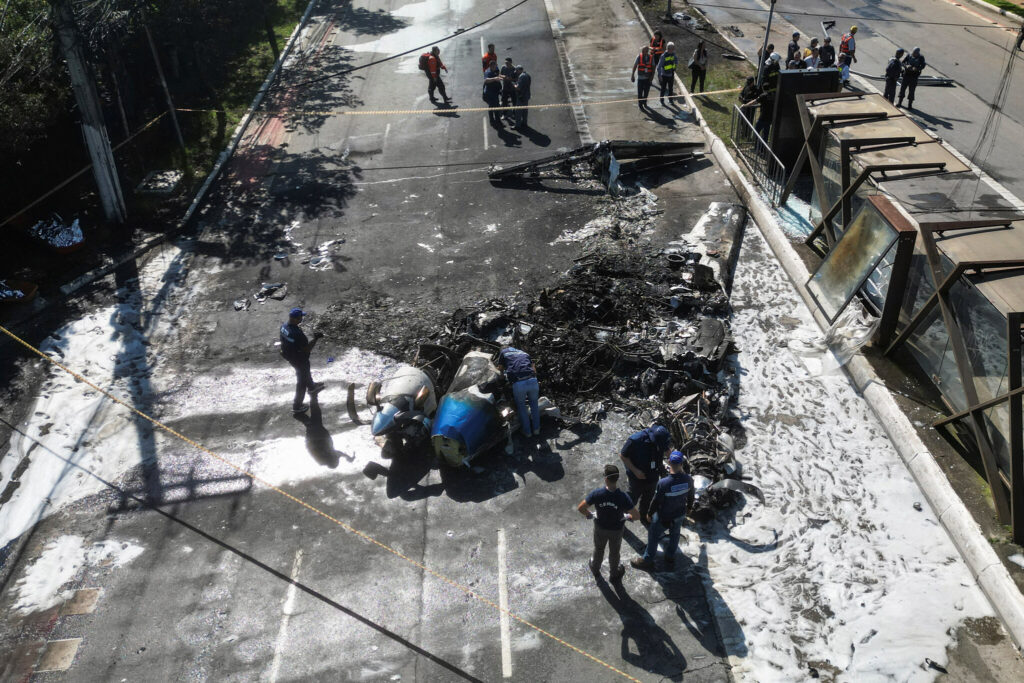
Crash in Barra Funda Claims Two Lives, Injures Six
On February 7, 2025, a Beechcraft King Air F90 went down in the Barra Funda district of São Paulo, Brazil. The twin‑turboprop aircraft, part of the long‑standing King Air family, was carrying two occupants who died in the impact.
Six people on the ground were struck by debris and suffered injuries; they are receiving medical care and their conditions are being monitored.
Background on the King Air Line
The Beechcraft King Air series entered production in the 1960s and has become one of the most popular turboprop designs in aviation history. The earliest versions were the Model 90 and Model 100.
Later, the T‑tailed Model 200 and Model 300 arrived, originally sold under the “Super King Air” badge. Although Beechcraft dropped the “Super” label in 1996, the term persists among pilots and enthusiasts to differentiate the larger models from the smaller ones. Over five decades of continuous production, the King Air line has outsold all competing aircraft in its class combined, a result of its reputation for performance, cabin comfort, and rugged durability.
Investigation Underway
Authorities have opened an inquiry into the Barra Funda accident. Investigators will examine the airframe’s condition, the experience and actions of the flight crew, and any possible contributing factors such as weather, maintenance records, or operational procedures. While the King Air F90 enjoys a strong safety record, the crash underscores that no aircraft is immune to risk, reinforcing the need for diligent upkeep, thorough pilot training, and strict adherence to safety standards.
Impact on the Community and Calls for Sustainable Aviation
The loss of life and injuries have shaken the local community, with families of the victims and nearby residents awaiting answers. Beyond the human toll, the incident has revived discussion about the environmental footprint of aviation. Observers have urged greater investment in renewable energy sources—such as solar and wind power—and the development of more efficient aircraft designs to cut reliance on fossil fuels. They argue that shifting toward cleaner technologies can improve energy security, lower operating costs, and make air travel more accessible while reducing harm to the planet.
Safety and Sustainability as Dual Priorities
Industry analysts stress that moving forward, aviation must treat safety and sustainability as interconnected goals. By embracing cleaner fuels, advancing aerodynamic efficiency, and maintaining rigorous maintenance and training programs, the sector can work toward fewer accidents and a smaller ecological impact. The Barra Funda tragedy is seen as a potential catalyst for renewed focus on both fronts, reminding stakeholders that protecting passengers and the environment are mutually reinforcing objectives.
As the investigation continues, the hope is that lessons learned will help prevent future accidents and support a greener, safer future for air travel.




