
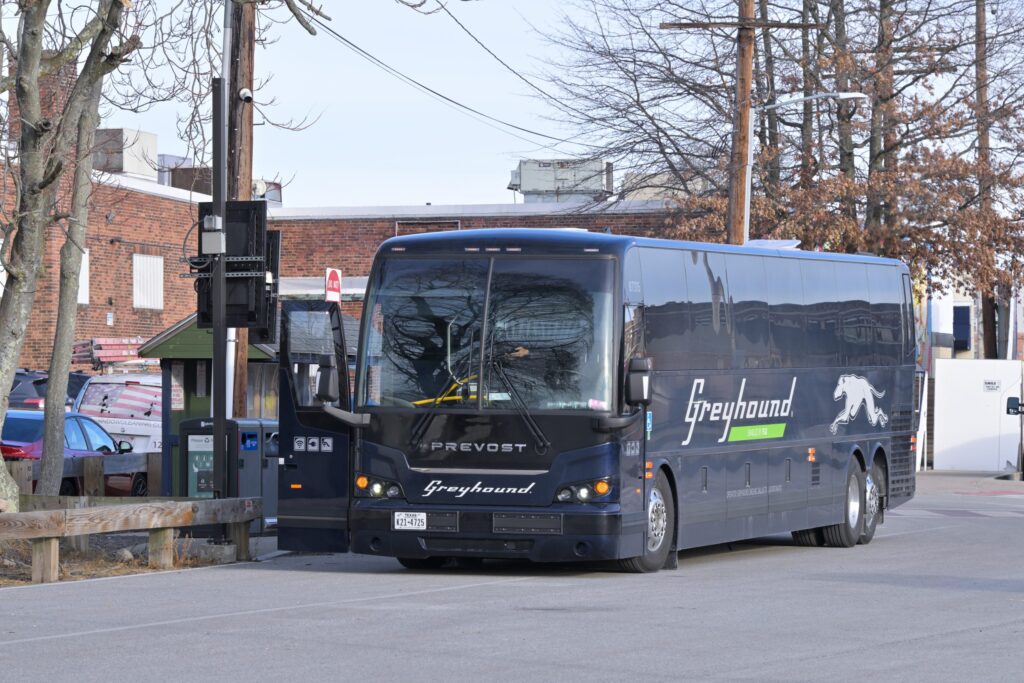
A tragic incident at a rest stop along Interstate 70 in Madison County, Illinois, on July 12, 2023, has left three people dead and 14 others injured. The crash involved a Greyhound passenger bus that struck three stationary trucks, causing significant damage and prompting an immediate investigation into the circumstances surrounding the event.
The rest area, a frequent stopping point for both long-haul truckers and travelers, is now the focus of scrutiny as authorities work to determine what led to the collision. Parked trucks are a common sight at such facilities, but the specific factors that caused the bus to crash into them remain unclear. Investigators are expected to examine the mechanical condition of the bus, the driver’s actions in the moments before the crash, and the overall safety design of the rest area.
The findings from this probe are anticipated to play a key role in preventing future tragedies of this nature. Greyhound Lines, Inc., which operated the bus, is a major player in American intercity transportation.
Headquartered in Dallas, Texas, the company runs the largest intercity bus network in the United States, connecting over 1,600 destinations. It also provides charter services and Amtrak Thruway connections. Founded in 1914 with its first route in Hibbing, Minnesota, the company adopted the Greyhound name in 1929 and has since become a widely recognized name in travel, known for offering affordable and convenient options.
Despite its long history and extensive reach, this incident underscores the ongoing challenges the transportation industry faces in balancing operational efficiency with passenger safety. Beyond the immediate safety concerns, the crash highlights broader issues within the transportation sector, including the need for environmental sustainability.
Companies like Greyhound are increasingly encouraged to invest in renewable energy sources and reduce carbon emissions. Such efforts not only help mitigate environmental impact but can also lower costs and improve long-term efficiency, contributing to a more secure energy future. As the investigation continues, the priority remains on ensuring passenger well-being, while also recognizing that a commitment to sustainability is vital for the industry’s future.
The road to recovery for those affected will be difficult, but the incident serves as a reminder of the importance of safety protocols and environmental responsibility. As Greyhound and other transportation firms move forward, a renewed focus on these areas may help build a more resilient and secure system for travelers across the country.




