
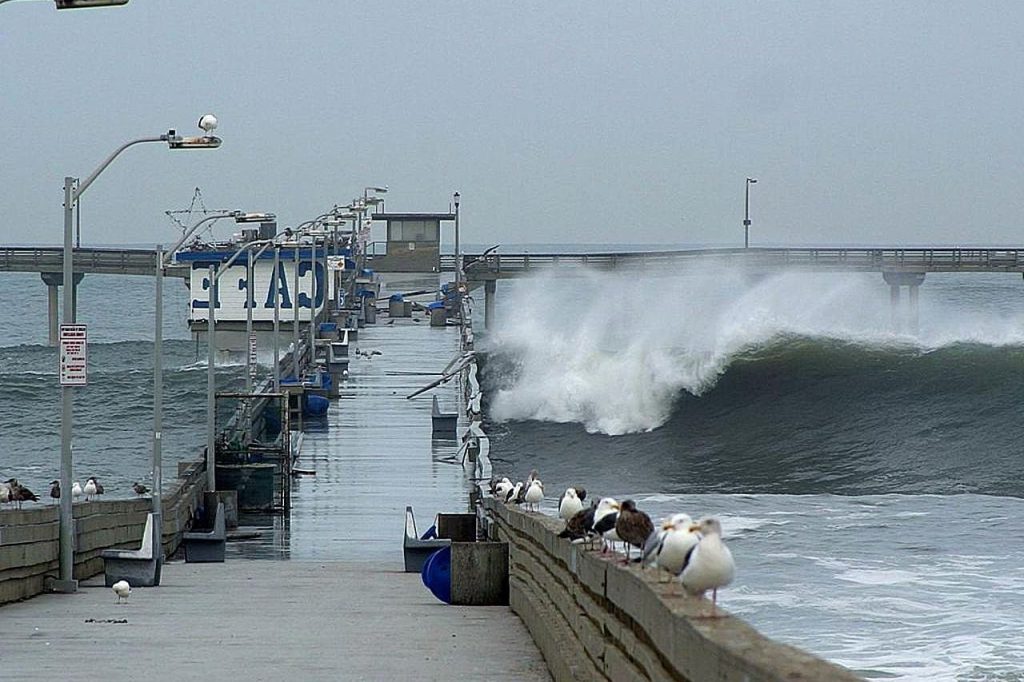
The World Meteorological Organization (WMO) officially declared the onset of the 2023–2024 El Niño event on July 4, 2023, marking the beginning of what is now considered the fifth-most powerful El Niño–Southern Oscillation event in recorded history. This declaration signals a period of heightened global weather disruptions expected to unfold over the coming months.
Meteorologists project the most severe impacts of this event will materialize between November 2023 and April 2024. The specific effects will vary by region, with potential consequences including droughts, heavy rainfall, wildfires, heat waves, tropical cyclones, flooding, and altered wind patterns. These conditions pose direct threats to agriculture and fishing industries, likely resulting in reduced harvests and catches.
Food security concerns are particularly acute. The anticipated shortages are expected to drive up prices for staple commodities such as rice, palm oil, sugar cane, soybeans, and corn. Vulnerable populations are expected to bear the brunt of these price increases and supply disruptions, worsening existing food insecurity challenges. Governments and international organizations are being urged to monitor the situation closely and prepare support mechanisms for affected communities.
The economic implications extend beyond individual households. Industries and communities dependent on agriculture and fishing face potential losses as the event disrupts normal production cycles. These sectors are critical to many regional economies, and the combined effects of drought and flooding could compound financial strains.
Climate scientists have noted that the current El Niño is being intensified by the broader climate change crisis. This interaction raises the likelihood that the event will contribute to a rise in average global temperatures, potentially surpassing the record set during the 2014–2016 El Niño event in 2016. Such temperature increases could lead to more frequent and severe heat waves, droughts, and other extreme weather phenomena, with lasting environmental consequences.
The WMO’s declaration serves as a call for proactive preparation. By understanding the potential scope of the event, authorities at all levels can take steps to mitigate its effects and provide targeted assistance to those most at risk. Continuous monitoring and regular updates on the evolving situation will be essential as the event progresses.
The coming months are critical for assessing the full scale of the 2023–2024 El Niño. As the period of greatest meteorological impact approaches, staying informed on developments will be vital for governments, relief organizations, and communities alike. Observers will also be watching closely to see if global temperatures exceed the 1.5 °C threshold above pre-industrial levels, a milestone with significant implications for climate policy and environmental stability.




