
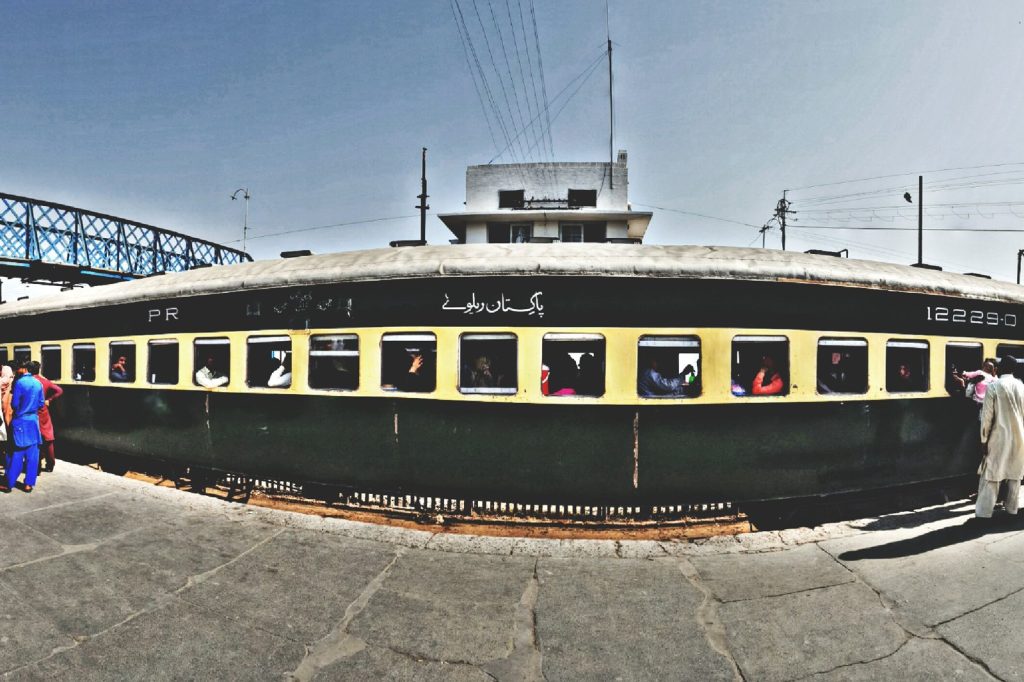
On the 6th of August, 2023, the Hazara Express train suffered a derailment in close proximity to the Sarhari railway station in Nawabshah, Sindh. The grim toll stands at 34 fatalities and over 100 injuries. Ten carriages were dislodged from the tracks, and the cause of the incident remains undetermined.
The rail network in Pakistan serves as a crucial lifeline for millions of citizens, offering a transportation option where other means are unavailable. The Hazara Express is one of these vital trains, connecting the northern mountains to the southern coast, and providing affordable travel for numerous commuters.
The derailment of this train has immediate and devastating consequences for those involved. The loss of life is evident, but the incident also serves as a stark reminder of the fragility of the system. Confidence in the rail network erodes with each incident, and those who have no other alternative often find their faith shaken.
The area around the Sarhari railway station is rural, and emergency services are not as well-equipped as in urban areas. The time required to transport the injured to hospitals may have contributed to the higher death toll.
This is an unfortunate reality that underscores the importance of robust infrastructure around rail routes. The trains operating in Pakistan are typically older, with many carriages well beyond their designed lifespan. The Hazara Express, though a stalwart, is not an exception, offering basic seating and making stops at small stations.
These trains run on tracks that experience heavy usage and receive minimal maintenance. The history of passenger cars in Pakistan has seen a gradual evolution, from repurposed freight wagons to modern steel bodies.
However, this progress has not kept pace with the growing demand. Authorities will launch an investigation, examining the tracks, signals, speed, and condition of the carriages to determine the contributing factors. In derailments, a single cause is seldom found. The deeper issue lies with the system itself.
Underfunding and the questionable enforcement of safety protocols have been persistent concerns. This derailment marks the third major incident in recent years, each of which has been followed by promises of reform.
However, these pledges often fade from public focus. The families of the 34 deceased and the 100 injured will carry the emotional and physical scars of this incident. The government has yet to announce compensation for the victims’ families, a move that is likely to come, albeit possibly insufficient and delayed.
As the investigation unfolds, a report will be issued, and recommendations made. Whether these recommendations are implemented remains the crucial question.
For now, Pakistan stands in mourning, but the broken tracks and worn-out rolling stock remain, demanding attention and resources for repair and replacement. The derailment of the Hazara Express serves as a stark reminder of a system in need of transformation. Whether the country chooses to heed this warning and commit to change, or consign it to the ranks of statistics, remains to be seen.
Related Stories
Danish Train Derailment Kills One, Injures 27
Mexico Train Derailment Kills 13, Injures 98
Pakistan Train Derailment Kills 34, Injures 100 #HazaraExpressDerailment #Kills #RuralSindh #WorldNews #News




