
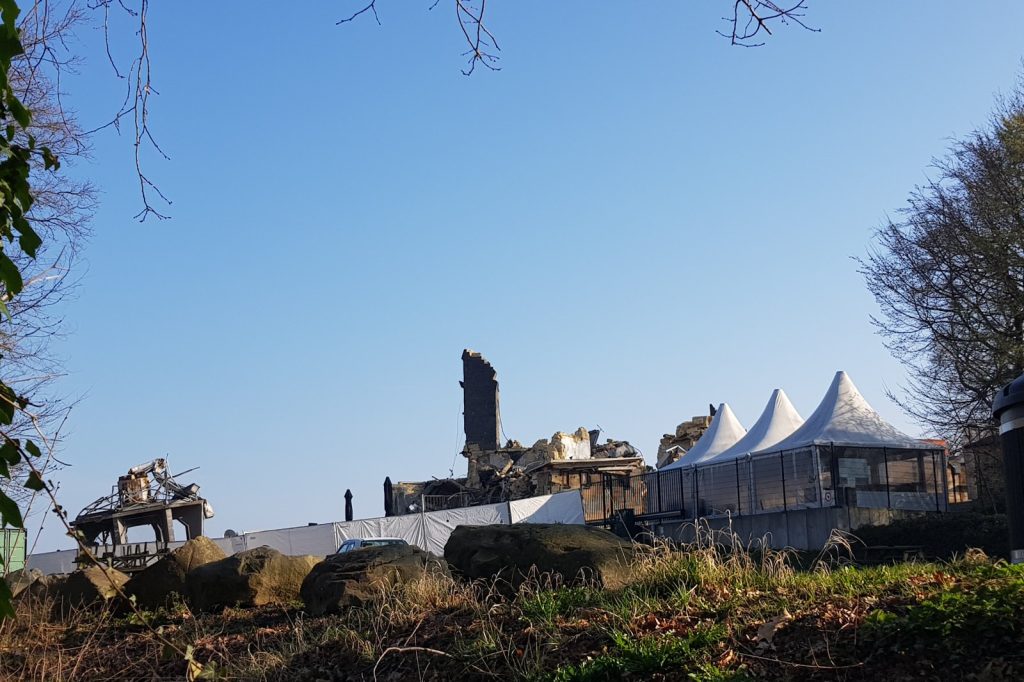
Wilhelmina Tower in Valkenburg Aan de Geul Suffers Sudden Collapse
In the early morning of March 16 2025, the Wilhelmina Tower on the Heunsberg in Valkenburg aan de Geul fell without any prior warning. The thirty‑metre‑high lookout, which had been a registered Rijksmonument since its construction in 1906, crashed to the ground, prompting local authorities and heritage experts to secure the area and launch an investigation into what caused the failure.
The tower was the work of architect Christiaan Alfons Prevoo and had stood for almost 120 years, providing panoramic vistas over the South Limburg Heuvelland. Its sudden demise in the pre‑dawn hours shocked residents, although no injuries were reported because the surrounding area was empty at the moment of the collapse. Locally known as the Wilhelminatoren, the structure was more than a scenic viewpoint; it represented a piece of Dutch architectural heritage erected during an era when numerous lookout towers were built across the Limburg hills to lure tourists and highlight the region’s natural beauty.
For generations the tower’s silhouette had been a familiar part of Valkenburg’s skyline and a draw for visitors. It is important to note that this incident concerns only the Valkenburg tower.
A different Wilhelminatoren situated roughly twenty kilometres away on the Vaalserberg in Vaals remains intact. Although it bears the same name, it is a completely separate construction and was unaffected by the events in Valkenburg. The collapse has raised broader questions about the upkeep and structural soundness of ageing monuments throughout the Netherlands.
Municipal officials are presently concentrating on stabilising the site and commencing a formal inquiry. While the exact cause remains undetermined, engineers will examine whether factors such as soil erosion, weather‑related stress, or long‑term structural fatigue contributed to the failure.
The Heunsberg, a steep hill situated in the Geul valley, has experienced various geological shifts over the decades, and specialists suspect that the tower’s foundation may have been weakened by such movements. This possibility will be part of the technical assessment. For Valkenburg, the loss is a significant blow to its heritage tourism sector.
The town, already famed for its castle ruins and subterranean marl caves, has long depended on its historic attractions to attract visitors. With the tower gone, local businesses, cultural organisations, and municipal bodies will need to reconsider how they present the area’s history to future travellers.
Looking ahead, the site is likely to become a focal point for discussions about balancing preservation of the past with contemporary realities. Whether the Wilhelmina Tower will be reconstructed, replaced by a new structure, or left as a memorial remains uncertain at this stage. For the time being, priority is given to clearing debris and completing the investigation as the community comes to terms with the sudden disappearance of a landmark that had watched over the Heuvelland for more than a century.




