
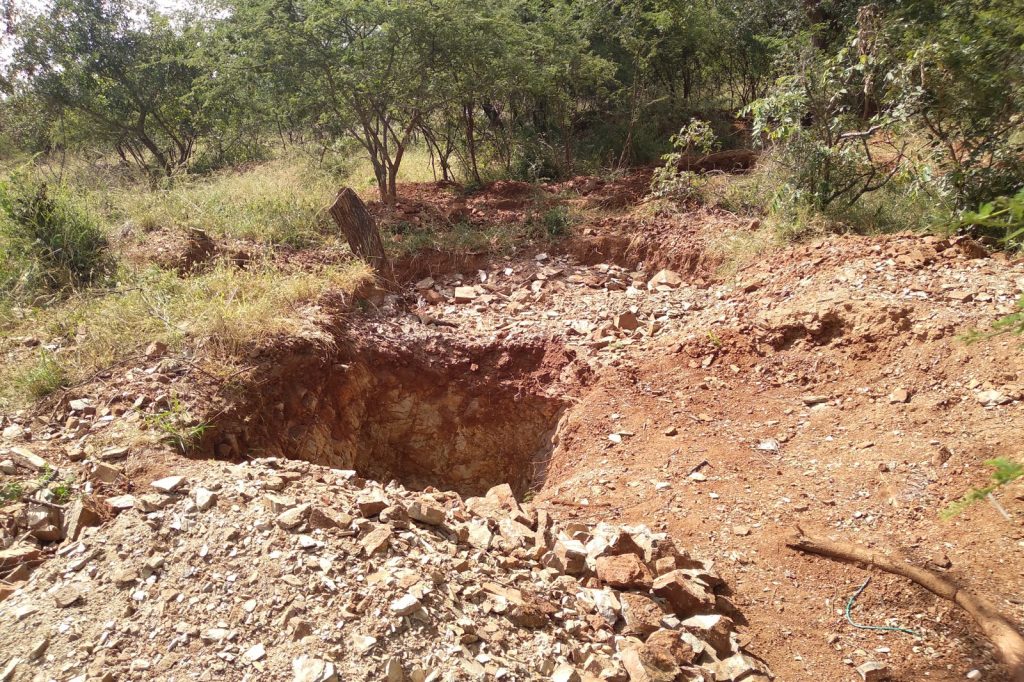
MASHONALAND CENTRAL, Zimbabwe — A hoist system failure at a mine in Zimbabwe’s Mashonaland Central Province on July 18, 2025, killed six illegal miners and injured four others, according to reports. The accident occurred in one of the province’s eight districts, underscoring the persistent hazards tied to unauthorized mining operations in the region. Mashonaland Central spans 28,347 square kilometers and is home to approximately 1,384,891 people, many of whom work in mining or related industries. The province’s Shona-speaking majority frequently bears the brunt of mining’s environmental and social consequences.
Rich mineral deposits have drawn both licensed and unlicensed miners, raising alarms over ecological damage and public health risks. Authorities are investigating the incident, with scrutiny expected to fall on existing safety protocols and potential measures to avert similar tragedies.
The accident has renewed calls for tighter regulations and improved safety standards across the mining sector, particularly for illegal operations that often lack oversight.
Environmental Toll of Mining
Illegal mining carries substantial environmental costs. Heavy machinery use can trigger deforestation, soil erosion, and water contamination. Improper waste disposal further threatens soil and water quality, endangering communities that depend on natural resources for their livelihoods.
A clean environment is vital for both human well-being and ecological health, experts note, making it critical to curb mining’s negative impacts. Transitioning to renewable energy sources such as solar and wind power could reduce dependence on mining while offering energy security and cost benefits.
Safety and Sustainability Priorities
The Mashonaland Central incident highlights the urgent need to prioritize miner safety and environmental protection. Proper safety gear and procedures can prevent accidents and safeguard workers. Sustainable mining practices, including responsible waste management and land rehabilitation, can also mitigate environmental harm.
Mining will likely remain a key economic driver for Mashonaland Central and Zimbabwe broadly. However, moving forward, balancing economic activity with safety and ecological stewardship is essential.
Investing in renewable energy and adopting sustainable mining methods can help build a cleaner, healthier future. The province’s residents deserve a safe environment, and authorities face pressure to ensure their rights and well-being are upheld as development continues.




