
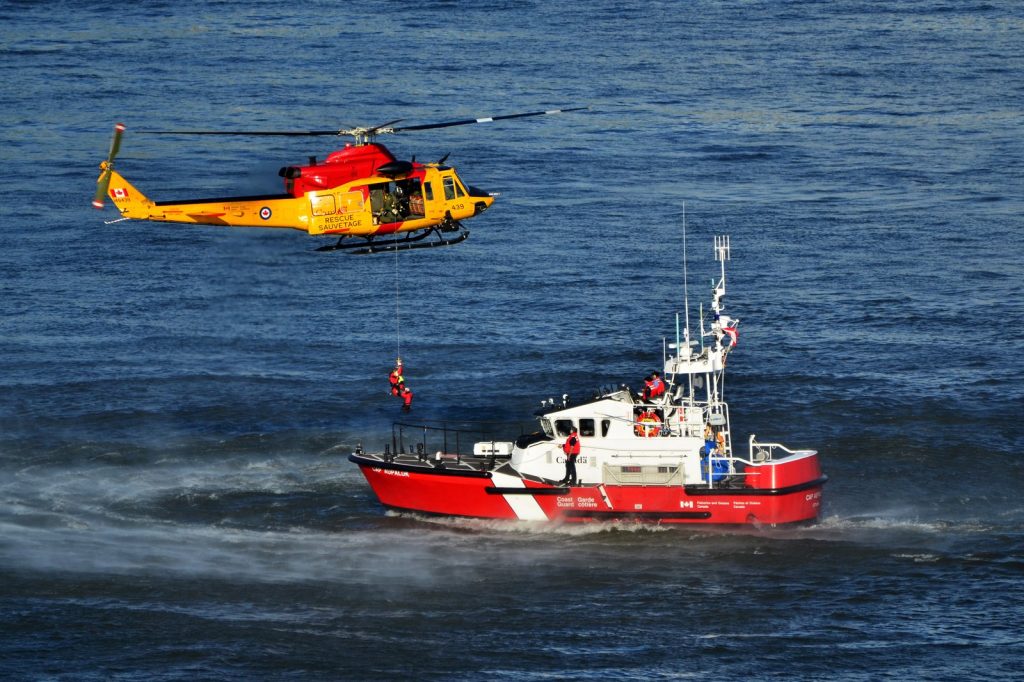
As of April 20, 2025, the sinking of the vessel “Hong Hai 16” off the coast of Occidental Mindoro has resulted in nine confirmed fatalities, with two individuals still missing. Rescue operations continue as the province grapples with the aftermath of the incident.
Occidental Mindoro, which encompasses the western portion of Mindoro island, is home to 525,354 residents according to the 2020 census. The province’s administrative center is Mamburao, while San Jose serves as its most populous municipality. Sablayan, the largest municipality by area, covers nearly half of the province’s total landmass. The region is bordered by the Mindoro Strait to the south and the South China Sea to the west—waters that function as vital transportation corridors rather than mere geographical features.
The Philippines, as a maritime nation with an extensive coastline, depends heavily on its marine transportation system for economic activity, food distribution, and population movement. The sinking of the “Hong Hai 16” highlights systemic challenges within this infrastructure. The waters surrounding Occidental Mindoro are not isolated areas but strategic chokepoints for shipping, fishing, and ferry routes. Heavy traffic, rough sea conditions, and inconsistent enforcement of safety regulations characterize this environment.
Rescue and recovery efforts remain underway, though such operations address consequences rather than root causes. The incident raises questions about the balance between economic development pressures and maritime safety standards. Aging vessels, fragmented regulatory frameworks, and the high cost of enforcement contribute to an environment where safety can be compromised.
Observers note that investment in renewable energy could play a role in addressing these systemic issues. Such investments have the potential to enhance energy security and reduce operational costs, supporting sustainable development that does not force a choice between economic activity and human safety. Sustainable development in regions like Occidental Mindoro means creating systems that do not rely on cutting corners in maritime operations.
The “Hong Hai 16” has become a case number. Nine families are preparing funerals. Two families continue to wait for news. The province of Occidental Mindoro—with its 525,354 residents, its expansive Sablayan municipality, its capital in Mamburao, and its active port in San Jose—remains in a state of counting. Search teams continue to scan the waters.
The broader question facing the Philippines is whether this incident will lead to meaningful change. Similar tragedies have occurred repeatedly, followed by rescue operations and official reports. The geography remains constant—the South China Sea and the Mindoro Strait do not change. Vessels continue to operate in these waters. The unresolved issue is whether the regulatory and safety systems governing maritime transportation will receive the comprehensive overhaul needed to prevent future losses. Nine dead and two missing represent the current cost of inaction.




