
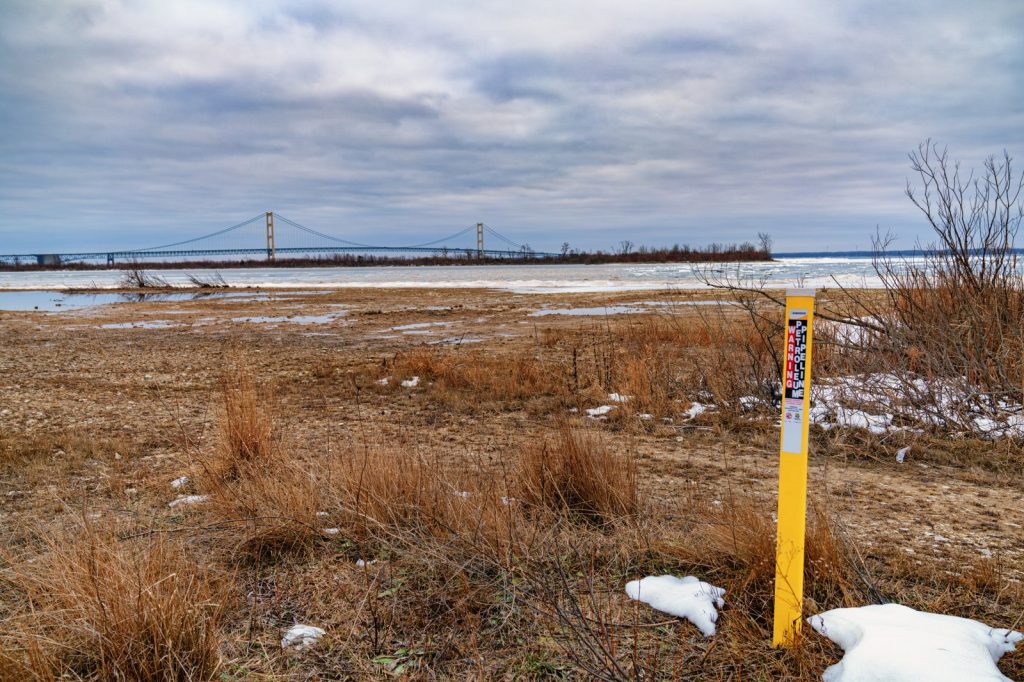
STRAITS OF MACKINAC, July 17 — A proposed tunnel for the replacement of Enbridge’s Line 5 pipeline would be bored 100 feet beneath the lakebed of the Straits of Mackinac, according to project filings. The tunnel, approximately 4 miles long and 16 feet in diameter, would encase a new 30-inch diameter pipeline. The design relies on a tunnel boring machine to excavate the route, with a concrete lining intended to shield the pipeline from external threats.
The engineering rationale
The concrete tunnel is specifically designed to protect the pipeline from anchor strikes and other external hazards. The record shows that the existing dual pipelines, installed in 1953, lie directly on the lakebed of the straits. Those lines have sustained damage over the decades from anchors and shifting currents.
Enbridge estimates the project will cost $500 million and take 4 to 5 years to complete. The company has framed the tunnel as a long-term solution to a vulnerability that has drawn scrutiny from environmental regulators and tribal nations for years.
The existing infrastructure dates to 1953. The twin pipes, now more than seven decades old, were laid directly on the floor of the straits — a configuration that critics have long called an unacceptable risk to the Great Lakes.
The stakes for the Great Lakes
The Straits of Mackinac connect Lake Michigan and Lake Huron. The waters of the Great Lakes system hold 20 percent of the world’s fresh surface water, according to the source material. An oil spill in the straits would threaten that supply.
The tunnel design is intended to reduce the risk of such a spill. By placing the pipeline inside a concrete tunnel deep beneath the lakebed, the company aims to remove the line from the direct path of ship anchors and ice scour that have historically damaged the exposed pipes.
Timeline and cost
On the timeline, the project is expected to span 4 to 5 years from start to completion. The $500 million price tag covers the tunnel boring, concrete lining, and installation of the new 30-inch pipe. The existing pipelines would remain in place during construction, according to prior regulatory filings.
Sources familiar with the project have noted that the tunnel boring machine will operate entirely below the lakebed, meaning the surface of the straits would see minimal disruption during the drilling phase. The machine will excavate the 16-foot diameter tunnel, which will then be lined with concrete before the pipeline is pulled through.
The record shows that the 100-foot depth below the lakebed places the tunnel in stable geological strata, away from the currents and vessel traffic that have menaced the exposed pipelines for decades. What remains to be seen is whether the project will clear remaining regulatory hurdles and whether the timeline Enbridge has projected holds against the realities of large-scale tunnel boring in a sensitive freshwater ecosystem.




