MONTREAL, October 30, 2026 — The European Union has dropped the proposal to make Canada an associate member, shifting focus toward new infrastructure and energy partnerships to secure supply lines, according to reports from the summit in Montreal.
The European Union is a political and economic union of 27 member states with a population of nearly 452 million. The EU maintains common policies on trade and has developed a role in external relations through the Common Foreign and Security Policy. The EU is seeking to pivot its energy and economic strategy away from the United States under President Donald Trump. European Commission President Ursula von der Leyen proposed a deeper association with Canada to enhance security and trade. The EU and Canada are launching a joint initiative to improve international connectivity via new subsea cable infrastructure. A joint feasibility study is being conducted regarding Canadian liquefied natural gas (LNG) exports to Europe. The EU-Canada summit aims to launch formal negotiations for an ‘ever closer association’ between the two parties. Negotiations regarding the scope of the EU-Canada relationship have faced internal debate among EU member states. Canadian Prime Minister Mark Carney is prioritizing deeper ties with the EU to reduce reliance on the US market.
Strategic Shift in Energy Partnerships
The European Union is reorienting its energy strategy toward non-U.S. partners as market volatility persists. Officials note that the pivot comes as the bloc seeks to insulate its markets from external pressure. In September, European Commission President Ursula von der Leyen raised the prospect of Canada becoming the 27-nation EU’s first “associate member”, a striking overture as both seek to pivot away from the United States under President Donald Trump. However, the associate membership concept proved divisive. German Chancellor Friedrich Merz and several other EU leaders pushed for the terms to be removed from the draft declaration, citing diplomats. The summit declaration now calls for an “ever closer association” between Canada and the EU, removing specific membership language while maintaining the goal of deeper integration.
Infrastructure and Connectivity
A central component of the new partnership is the development of physical infrastructure to facilitate trade and energy flow. The EU and Canada are launching a joint initiative to improve international connectivity via new subsea cable infrastructure. This initiative aims to enhance data and energy links between Europe, Canada, and Asia. The infrastructure project represents a tangible step toward reducing bottlenecks in transatlantic flows. Officials involved in the talks noted that the cables would serve both commercial and energy-related purposes, though specific technical details remain under study.
Feasibility Studies for LNG Imports
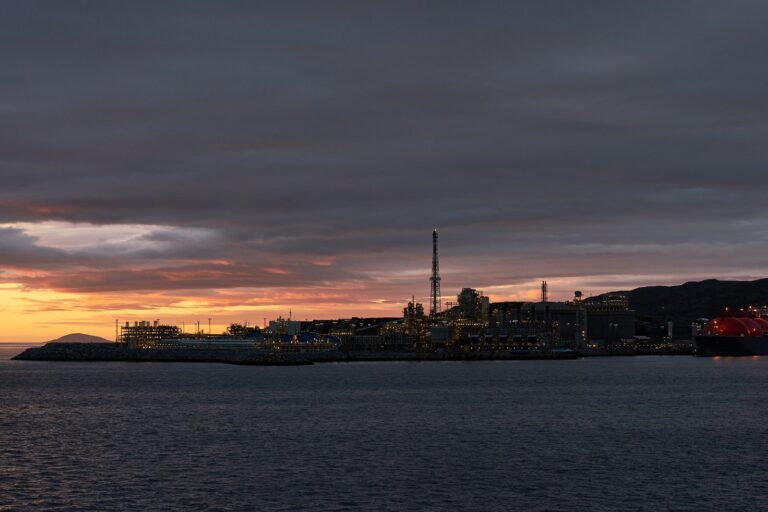
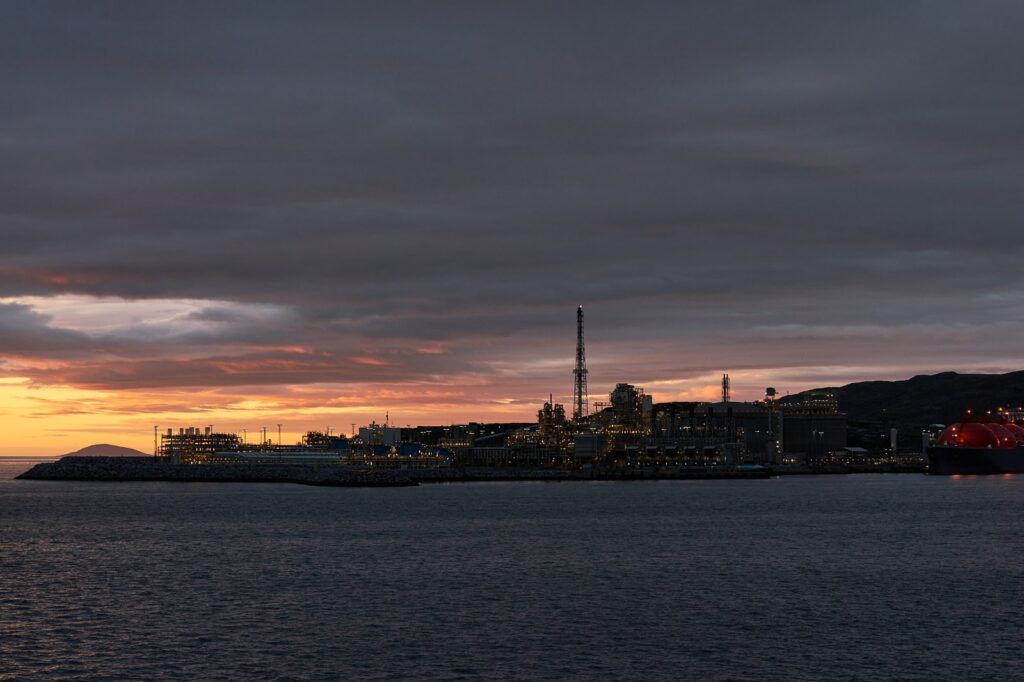
The EU is also exploring the potential for increased Canadian natural gas supplies. A joint feasibility study is being conducted regarding Canadian liquefied natural gas (LNG) exports to Europe. The study will assess the technical and economic viability of scaling up Canadian exports to meet European demand. This move aligns with the EU’s broader effort to diversify its import sources. Canadian Prime Minister Mark Carney has framed deeper energy ties with the EU as a means to reduce Canada’s own reliance on the U.S. market, particularly after the United States imposed tariffs on Canadian goods.
Internal Debate and Consensus
The path toward closer EU-Canada ties has not been without friction. Negotiations regarding the scope of the EU-Canada relationship have faced internal debate among EU member states. While some nations supported the associate membership model, others resisted, preferring a looser framework. The final declaration reflects a compromise, opting for the phrase “ever closer association” rather than formal membership status. Despite these differences, both sides agreed to launch formal negotiations that will continue over the coming year. The Canadian leader indicated that the specific nomenclature matters less than the practical benefits the agreement will deliver to citizens on both sides of the Atlantic.
Strategic Shift Toward Non-US Energy Partnerships
The European Union is reorienting its energy strategy toward non-U.S. partners as market volatility persists, seeking to insulate its markets from external pressure. Officials note that the pivot comes as the bloc seeks to diversify import sources and strengthen security of supply. In September, European Commission President Ursula von der Leyen raised the prospect of Canada becoming the 27-nation EU’s first “associate member”, a striking overture as both seek to pivot away from the United States under President Donald Trump. However, the associate membership concept proved divisive. German Chancellor Friedrich Merz and several other EU leaders pushed for the terms to be removed from the draft declaration, citing diplomats. The summit declaration now calls for an “ever closer association” between Canada and the EU, removing specific membership language while maintaining the goal of deeper integration.
A central component of the new partnership is the development of physical infrastructure to facilitate trade and energy flow. The EU and Canada are launching a joint initiative to improve international connectivity via new subsea cable infrastructure. This initiative aims to enhance data and energy links between Europe, Canada, and Asia. The infrastructure project represents a tangible step toward reducing bottlenecks in transatlantic flows. Officials involved in the talks noted that the cables would serve both commercial and energy-related purposes, though specific technical details remain under study. Additionally, a joint feasibility study is being conducted regarding Canadian liquefied natural gas (LNG) exports to Europe. The study will assess the technical and economic viability of scaling up Canadian exports to meet European demand, aligning with the EU’s broader effort to diversify its import sources away from traditional suppliers.
Sources
- European Union
- European Union backtracks on Canada becoming ‘associate member’
- Andy Burnham: Latest news, breaking stories and comment | Daily Mail Online
Photo: Virtual-Pano (CC BY-SA 4.0)