
A Geography That Traps the Monsoon
The physical setting of Kolkata explains why a humid forecast carries weight beyond the weather page. The city traces its origins to three villages that, in the late 17th century, were ruled by the Nawab of Bengal under Mughal authority. In 1690 the Nawab granted a trading license to the East India Company, which then built Fort William on the site. After the Battle of Plassey in 1757, the area came under company rule and later the British Crown. Calcutta—as it was known until 2001—served as the de facto capital of India until 1911 and was the second-largest city in the British Empire, behind only London. It became a hub for bureaucracy, law, education, and the arts, central to the Bengali Renaissance and the Indian nationalist movement.
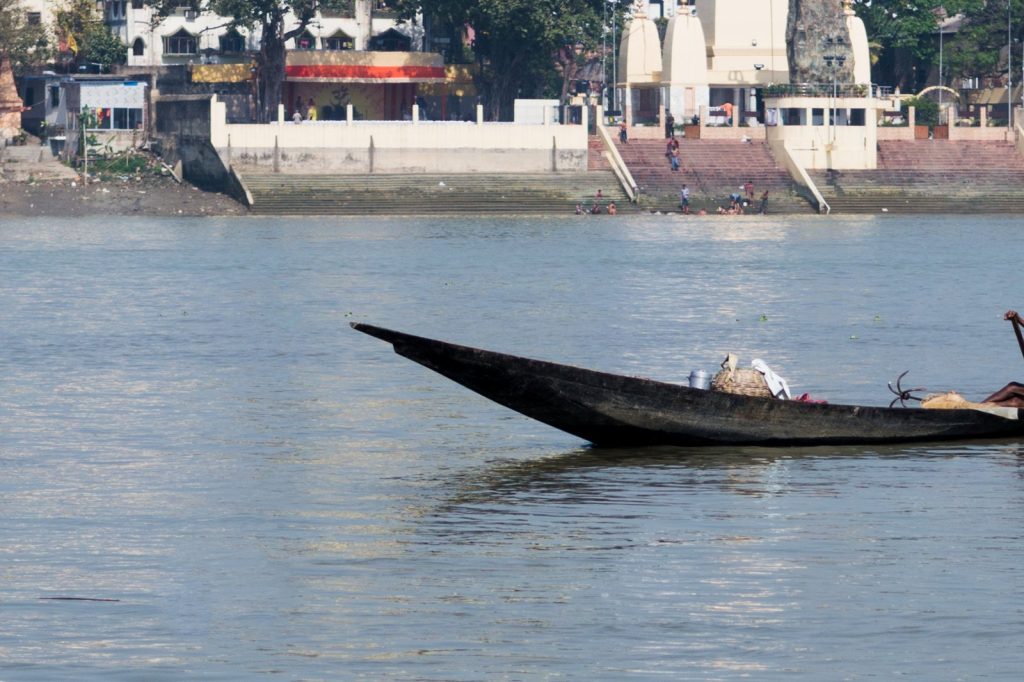
But the same geography that made it a thriving port also imposes climatic constraints. Built on the Hooghly’s tidal basin, the city’s natural air movement is limited by the density of its built environment. When wind speeds average just 8 km/h, as projected for Sunday, the air barely stirs. That lack of ventilation, combined with a humidity of 95%, means perspiration cannot evaporate to cool the body. The heat index of 34°C, while not extreme by summer standards, arrives under an overcast sky that officials note offers little relief. This is not a heatwave; it is a moisture trap.
The Economic Weight of Invisible Heat
For Kolkata’s sprawling informal economy, which accounts for roughly 80% of the city’s workforce, the heat index is a direct measure of lost productivity. Rickshaw pullers, street vendors, and construction crews face the highest exposure because they lack air-conditioned buffers. Every degree of heat-index rise translates into reduced working hours and lower daily earnings for millions.
The city’s commodity and perishable-goods markets feel the effect even before people step outside. Humidity at 95% accelerates spoilage rates for fresh produce, fish, and flowers. Wholesale markets that supply much of eastern India—including Sealdah and Gariahat, and specialized flower markets like Mullik Ghat—typically see higher wastage during such monsoon spells. Traders often reduce procurement volumes when extended overcast and rain forecasts appear. The fish auctions at Ballygunge, a critical link in the local food supply chain, will operate under the same still air.
The hourly outlook shows a notable increase in rain probability around 2 PM, reaching 53%. That afternoon window aligns with peak heat stress hours, when high temperature and maximum humidity combine to create the most taxing conditions for outdoor labor. Local traders often adjust their schedules around such forecasts, compressing morning operations to avoid the afternoon wet spell. If showers materialize, foot traffic in the city’s bazaars will slow and evening sales at open-air markets may dip. If the rain holds off, the primary concern remains the humidity itself—near saturation, meaning the air can hold almost no additional moisture.
Stagnant Air and a History of Adaptation
Kolkata’s historical layers add context to a routine monsoon forecast. The city was transformed by the partition of India in 1947, which sent a flood of Hindu refugees from East Bengal—present-day Bangladesh—into its neighborhoods. It later hosted the government-in-exile of Bangladesh during the 1971 liberation war. Decades of political violence and economic stagnation followed before a gradual rebound. Those events concentrated population and economic activity in the urban core, where aging drainage systems and increasing population density compound the challenges of seasonal weather.
Officials have noted that such weather patterns, while seasonal, strain infrastructure already pushed by the city’s dense built fabric. The broader economic stake is clear: Kolkata’s informal sector has no air-conditioned buffer. For its millions of workers, the heat index is not a comfort statistic—it is a productivity ceiling. Residents and traders alike will be watching the eastern horizon come midday, knowing that a 53% rain probability at 2 PM may decide the day’s commerce.
The report was first published by LatestLY on July 12, 2026, at 12:18 AM IST. AI tools assisted in compiling the foundational data and research for this report, which was reviewed, edited, and verified by human editors at the outlet, the company said.




