
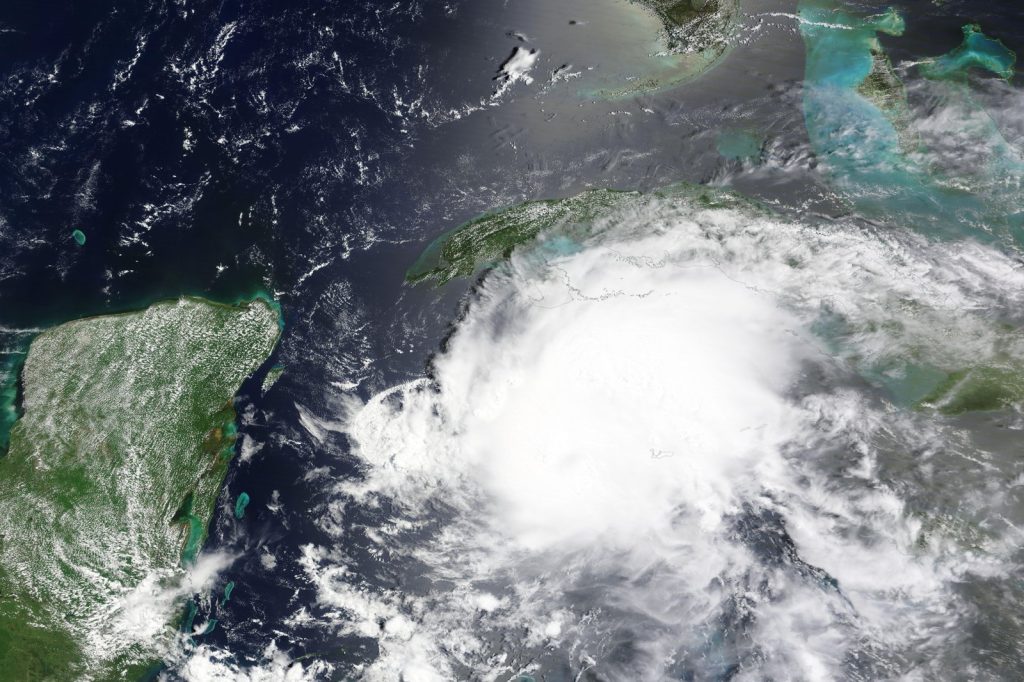
Overview of Hurricane Beryl
Hurricane Beryl emerged as a rare and powerful tropical cyclone that affected sections of the Caribbean, the Yucatán Peninsula and the Gulf Coast of the United States during the latter part of June and the opening days of July 2024. It was recorded as the second named storm of the 2024 Atlantic hurricane season, the first to attain hurricane strength, the first to become a major hurricane and the first to reach Category 5 on the Saffir–Simpson scale.
Origins and Early Development
The system traced its beginnings to a tropical wave that departed the African coastline on June 25. On June 28, while situated in the Main Development Region of the Atlantic, the wave organized into a tropical cyclone.
From that point Beryl moved westward across the central tropical Atlantic and began a period of rapid intensification, a trait that distinguished it from many contemporaneous systems.
Landfall and Intensity Milestones
On July 1 the storm struck the island of Carriacou in Grenada as a Category 4 hurricane, inflicting considerable damage to the local infrastructure and environment. Beryl’s intensity continued to climb, and it later attained Category 5 status, making it only the second Atlantic hurricane in recorded history to reach that level in the month of July, the other being Hurricane Emily of 2005. This accomplishment is based on the Saffir–Simpson hurricane wind scale, which classifies storms according to sustained wind speeds.
Record‑Setting Characteristics
Beryl holds several notable records for the Atlantic basin. It is the earliest‑forming Category 4 hurricane ever observed, and likewise the earliest‑forming Category 5 hurricane on record. Additionally, it is the most intense hurricane to develop within the Main Development Region prior to the month of July.
These achievements underscore the unusual timing and rapid strengthening that defined the cyclone’s evolution.
Impacts and Ongoing Situation
The effects of Beryl have been most evident on Carriacou, where the storm’s winds and associated rainfall caused widespread damage to homes, utilities and vegetation. As the cyclone progressed, it continued to influence other parts of the Caribbean, the Yucatán Peninsula and the Gulf Coast of the United States. By July 15, 2024 the system remained active, with forecasters urging continued monitoring of its track and intensity.
The coming days are considered critical for assessing any further effects on the Gulf Coast and other exposed areas.
Significance for Future Research
Meteorologists anticipate that the anomalies displayed by Beryl—particularly its early formation, rapid intensification and July Category 5 attainment—will be examined closely in scientific studies. The storm serves as a reminder of the necessity to maintain vigilant observation and preparedness measures throughout the hurricane season, as atypical systems can arise and produce significant hazards.




