
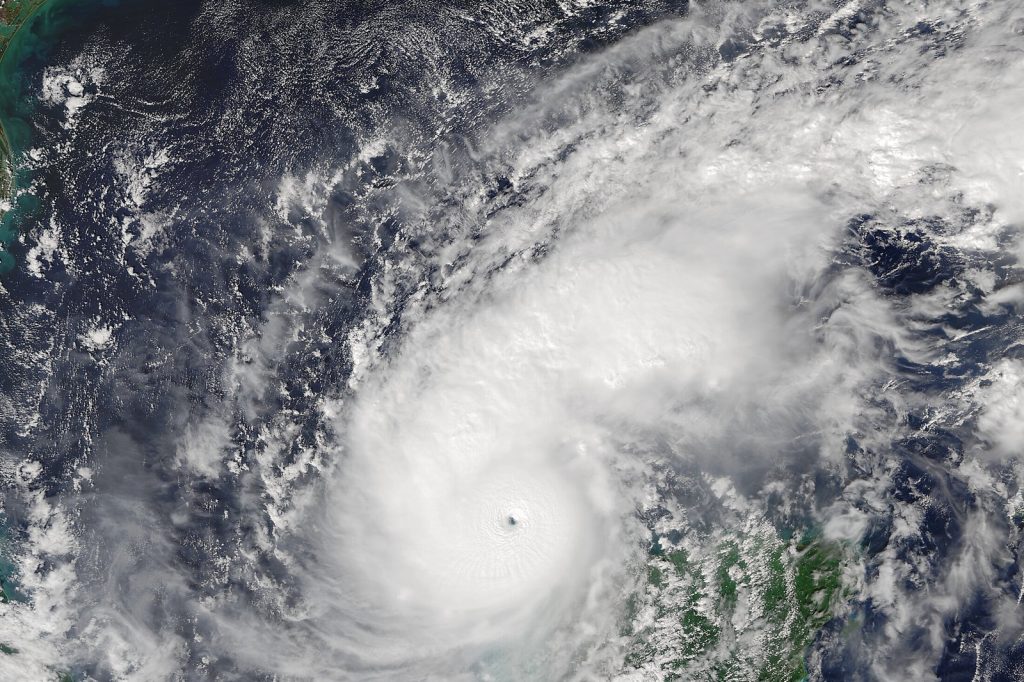
Hurricane Milton’s $34.3 Billion Toll Marks It as the Ninth‑Costliest Atlantic Storm
The $34.3 billion damage total, expressed in 2024 dollars, puts Hurricane Milton in the ninth position among the most expensive Atlantic hurricanes ever recorded. That sum is not an abstract figure; it reflects flattened homes, shuttered businesses and torn‑apart infrastructure across Florida.
Milton made landfall on the state’s west coast on October 15, 2024, fewer than two weeks after Hurricane Helene had already devastated the Big Bend area. Cleanup crews were only beginning their work when Milton arrived. The storm tied the 2005 Hurricane Rita for the record of most intense Atlantic hurricane ever observed in the Gulf of Mexico.
In the 2024 season it was the thirteenth named storm, the ninth hurricane, the fourth major hurricane and the second Category 5 system. Globally, it was the strongest tropical cyclone anywhere on the planet in 2024.
Milton’s beginnings trace to a tropical wave that moved off the African coast in mid‑September. The wave crossed the Atlantic, entered the western Caribbean and, after interacting with other atmospheric features, organized into a powerful cyclone. The formation process was complex, but the result was a hurricane aimed at a state still coping with Helene’s aftermath. What distinguished Milton beyond its wind speed was the tornado outbreak it generated.
This outbreak ranks among the most intense tropical‑cyclone‑spawned tornado events on record. Although tornadoes are not uncommon in hurricanes, the scale here was extraordinary, adding a distinct layer of destruction atop storm surge and wind damage.
Lives were lost and property destroyed; the combined death toll and damage figure embody this compounding effect. The 2024 Atlantic hurricane season was exceptionally active, with Milton serving as its signature event. Yet its impact cannot be viewed apart from Helene.
Two hurricanes struck the same state within two weeks: Helene first pounded the Big Bend, then Milton slammed the west coast. Recovery from Helene was still underway, debris lingered on curbs, and Milton scattered those piles further.
The $34.3 billion loss places Milton in expensive company—only eight other Atlantic hurricanes have caused greater monetary damage. That ranking measures both economic pain and regional vulnerability. Florida’s west coast, heavily developed and populated, took a direct hit from a storm that had already reached peak intensity in the Gulf.
The combination of a powerful hurricane and a densely built shoreline produced a high‑cost outcome. Milton’s intensity tying with Rita, a benchmark from almost twenty years earlier, points to the same set of conditions: warm Gulf waters, low wind shear and favorable atmospheric patterns.
Those ingredients have fueled other catastrophic storms and, according to scientific warnings, may become more frequent as the climate changes, although the source material does not explicitly make that link. For those who lived through Milton, the raw numbers matter less than the tornado outbreak, flooding and wind damage that together created a humanitarian and economic crisis. The state had not yet recovered from Helene when Milton hit, leaving it to face a longer, more expensive recovery process.
The figure of $34.3 billion will be cited in insurance claims, government aid requests and academic studies for years to come. Behind that number lie real losses, real disruptions and a genuine question about how prepared any jurisdiction can be for storms that arrive in rapid succession.




