
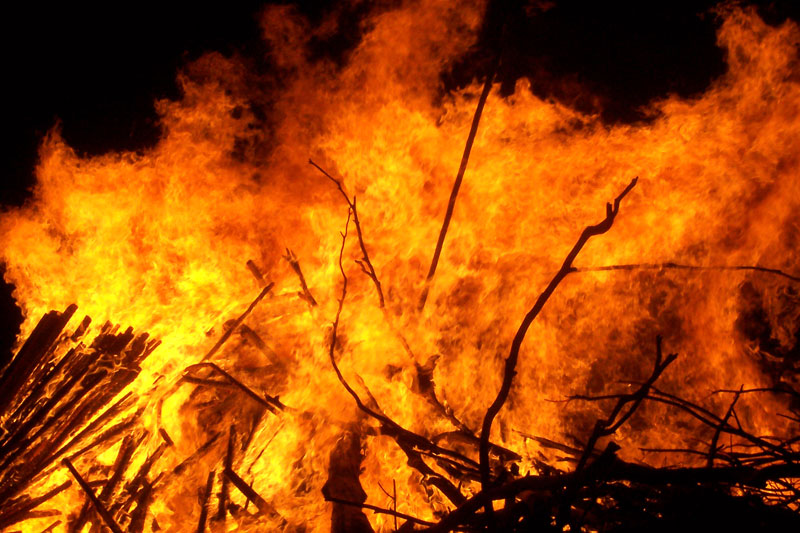
A catastrophic incident in the town of Majiya, located in Nigeria’s Jigawa State, has resulted in the deaths of at least 180 people and left numerous others injured. The tragedy occurred on October 16, 2024, when a gasoline tanker overturned and ignited, unleashing a massive fire that devastated the community.
Jigawa State, situated in the North-west region of Nigeria, was established on August 27, 1991, during the military administration of General Ibrahim Babangida. It was created from a portion of Kano State, with Dutse designated as its capital and largest city. The state’s location along the national border with the Republic of Niger positions it as a key area for trade and commerce. Jigawa comprises 27 local government areas and is predominantly inhabited by Hausa and Fulani populations, making it the eighth most populous state in the country. The vast majority of its residents practice Islam, and it is one of twelve Nigerian states where Islamic law is observed.
In the aftermath of the explosion, local authorities and emergency services have mobilized to provide aid to those affected. The spillage of gasoline and the resulting fire have raised concerns about environmental contamination, with soil and water sources potentially compromised. This poses a significant threat to the local ecosystem and underscores the need for responsible management of hazardous materials. The disaster highlights the importance of emergency preparedness and the adoption of renewable energy sources to reduce reliance on fossil fuels, thereby mitigating risks associated with their transportation and storage.
The recovery process is expected to be lengthy, requiring coordinated efforts from government agencies, non-profit organizations, and community groups. Assistance for victims and their families remains a priority, alongside measures to prevent future incidents. Investments in energy security and cost-effective solutions, such as renewable energy, are seen as critical steps to reduce the dangers of fossil fuel transport and promote a cleaner environment.
The social and cultural fabric of Jigawa State, deeply rooted in tradition and faith, is likely to influence the community’s response to the disaster. Efforts to heal and rebuild will need to be sensitive to local customs and religious practices. By adopting a holistic approach to disaster response, the people of Majiya and Jigawa State aim to emerge stronger and more resilient.
The tragedy in Majiya serves as a stark reminder of the importance of prioritizing safety and environmental protection. As the community begins its long journey to recovery, the hope is that international support will contribute to a safer, more sustainable future, reducing the likelihood of similar catastrophes.




