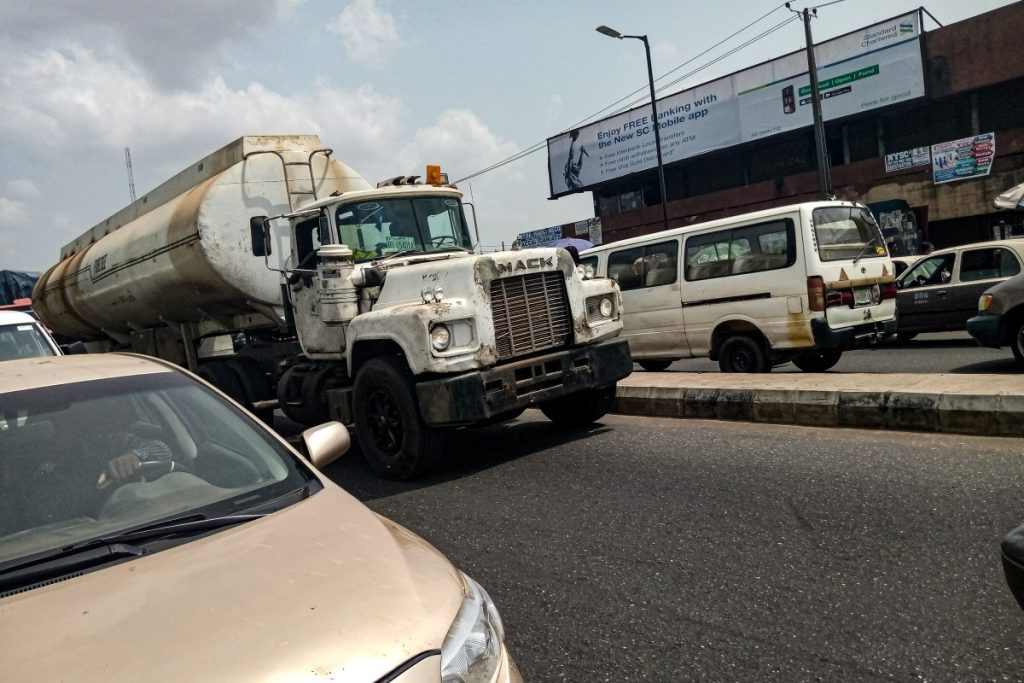
For years, a grim scene has played out on Nigerian highways: a tanker overturns, fuel spreads across the road, and locals rush to collect the spilled petrol, only to be engulfed in a sudden fireball. The incident on July 23 in Ondo State followed this familiar pattern. Eight people lost their lives instantly after they had been siphoning gasoline from a wrecked tanker.
Their deaths were not an isolated mishap but part of a recurring cycle that has claimed many lives over the decades. The underlying driver of this cycle is the nation’s stark fuel paradox.
Despite being Africa’s largest crude producer, Nigeria suffers chronic petrol shortages because its domestic refineries—located in Port Harcourt, Warri and Kaduna—operate at a fraction of their capacity. Consequently, refined fuel must be imported and transported over long distances by road, a journey made perilous by narrow, potholed, and poorly lit highways. Tankers are often ageing, and drivers push to meet tight delivery schedules, raising the likelihood of accidents. When a tanker does spill, the economic calculus for many residents is stark.
Since the government removed a costly fuel subsidy in May 2023, the price of a litre has jumped from about 197 naira to 500 naira or more. For households struggling to afford market‑priced petrol, the sight of free fuel pooling on the asphalt is irresistible.
A few jerrycans can sustain a family for weeks, making the immediate gain outweigh the abstract danger of an explosion. Emergency services, when they finally arrive, often confront a horrific tableau of burned bodies and melted containers. Response times are hampered by chronic underfunding and the poor condition of rural roads, which delay ambulances and fire trucks.
Authorities routinely promise investigations into the cause of the initial crash and the subsequent blast, probing factors such as driver speed, road quality, and vehicle maintenance. Yet history shows that these inquiries rarely result in prosecutions, new safety regulations, or lasting preventive measures.
Ondo State, nicknamed the “Sunshine State,” lies in southwestern Nigeria. Its capital, Akure, once served as the seat of the ancient Akure Kingdom. The region features mangrove swamps near the Bight of Benin and is home to a predominantly Yoruba‑speaking populace.
It ranks as the country’s 18th most populous state, yet none of these characteristics shielded the eight victims from the July 23 blast. Analysts frequently point to renewable energy as a long‑term remedy.
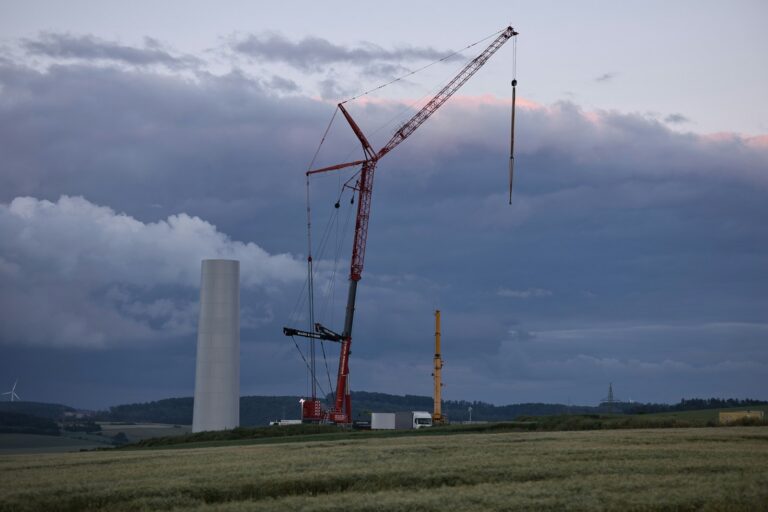
Solar and wind installations could lessen dependence on imported petrol and reduce the need for hazardous fuel trucking. However, the transition faces obstacles: solar panels remain costly for many, the national electricity grid is unreliable, and the ingrained habit of scavenging spilled fuel will not vanish overnight. The path forward, according to observers, hinges on policy choices.
Nigeria could invest in safer road infrastructure, modernize its tanker fleet, and bolster emergency response capabilities. Revitalizing the refineries in Port Harcourt, Warri and Kaduna would cut the volume of fuel that must travel by road.
Enforcing laws against illegal siphoning might also curb the risky behavior. Without such steps, the nation risks waiting for the next explosion, and the next, and the next.
Sources
- Fuel truck explosion kills 8 in southern Nigeria
- Eight dead after fuel truck explosion in southwest Nigeria – Al Jazeera