
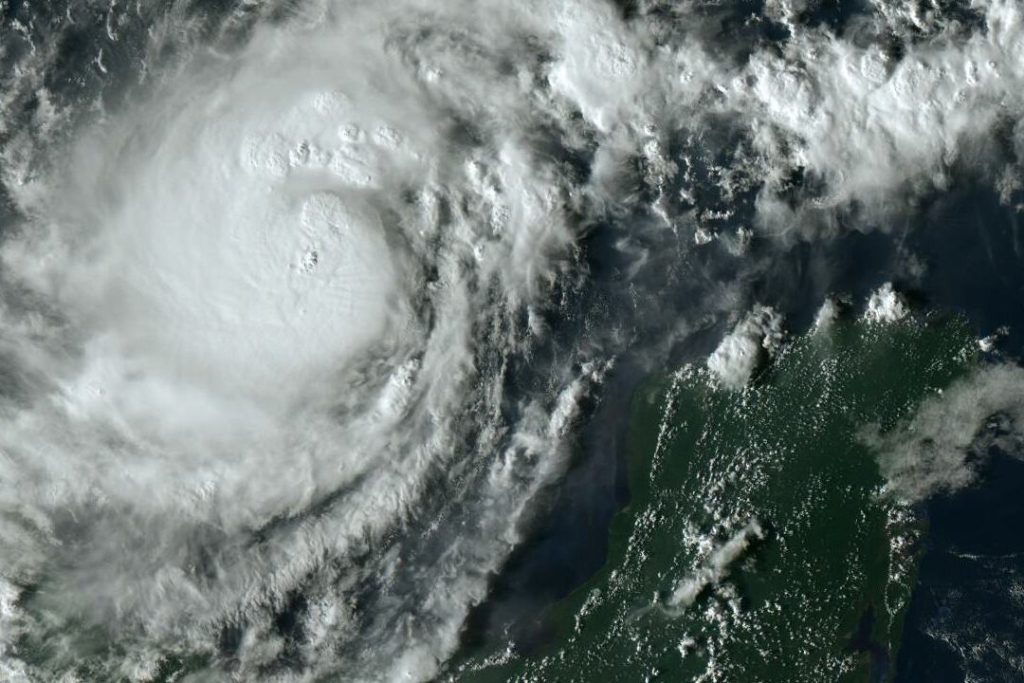
More than 5.5 million residents in Florida are under evacuation orders as Hurricane Milton approaches, with landfall expected in the early hours of Thursday. The storm, now classified as a Category 4 hurricane, continues to pose a serious threat despite weakening slightly. Authorities are urging those in affected areas to follow evacuation directives and prepare for potential widespread damage from high winds and heavy rain.
Florida’s geography plays a major role in its vulnerability to hurricanes. As a peninsula bordered by the Gulf of Mexico to the west and the Atlantic Ocean to the east, the state has roughly 1,350 miles of coastline—the longest of any state in the contiguous United States.
While this extensive shoreline supports a thriving tourism industry, it also makes Florida highly susceptible to storm surges and coastal erosion. With a population exceeding 23 million, the potential for significant loss of life and property is considerable, and officials are taking a proactive approach to mitigate these risks. Residents are advised to comply with local authorities and take necessary safety precautions, including stocking up on emergency supplies such as food, water, and medications.
Staying informed through trusted news sources is also recommended as the storm progresses. Looking beyond the immediate threat, some scientists suggest that extreme weather events like hurricanes may be linked to global climate patterns, though the exact relationship remains debated.
Investing in renewable energy sources is seen as a way to reduce reliance on fossil fuels, improve energy security, and lower costs. Transitioning to cleaner energy could contribute to a more resilient and sustainable future. In the aftermath of Hurricane Milton, Florida will face significant recovery and rebuilding challenges. The economic impact is expected to be substantial, with damage to infrastructure, property, and businesses potentially reaching billions of dollars.
However, the state’s extensive experience in responding to hurricanes will aid recovery efforts. Using sustainable materials and practices during reconstruction could help minimize environmental impact and strengthen long-term resilience.
Emergency responders, volunteers, and community groups are mobilizing to support those in need, and support from across the country is highlighting the resilience of the American people. As the storm makes landfall, Floridians are bracing for the full extent of the damage while holding onto hope and determination. By prioritizing safety, investing in renewable energy, and promoting sustainable practices, Florida aims to emerge from this crisis stronger and more prepared for future challenges.




