
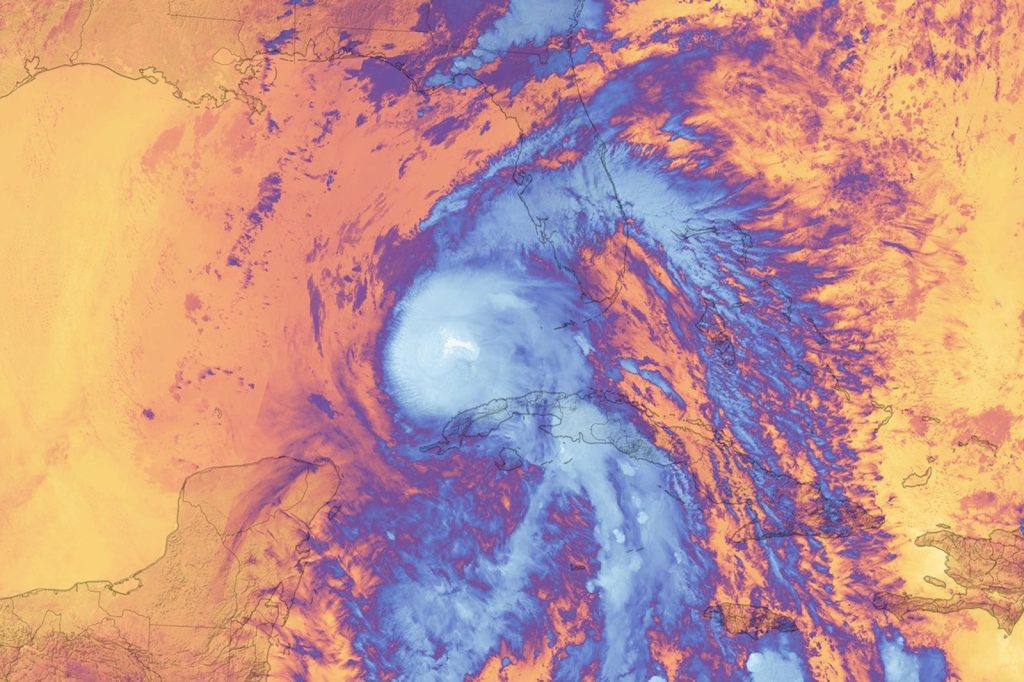
Cuba has seen hurricanes before. Many of them. But the timing of Rafael, a Category 3 storm barreling toward the southern coast on November 6, 2024, puts the island in a particularly vulnerable position.
The nation is still wrestling with the economic fallout of previous storms and a grinding energy crisis. This is not a fresh disaster striking a stable country; it is the latest blow to a system already under severe strain.
The storm’s sustained winds, clocked at up to 129 miles per hour, are the immediate threat. Those winds, combined with predicted storm surges and flash flooding, create a known, deadly formula. Cuban authorities have activated emergency response protocols.
Rescue teams and medical personnel are on standby. But the question lingering in the background is one of capacity.
After years of tightened sanctions and a tourism sector that has not fully rebounded, the government’s resources for a large-scale disaster are stretched thin. Evacuations are underway. People are being moved from low-lying coastal areas.
The order to stock up on food, water, and essentials has gone out. But for many Cubans, basic supplies have been scarce for months. The shelves in some state-run bodegas are not full.
The infrastructure needed to withstand a Cat 3 — secure roofs, reliable drainage, a stable power grid — has been deteriorating. Rafael will test every weak point.
The environmental cost is also a major concern. Cuba’s southern coast is home to fragile ecosystems, including mangrove forests and coral reefs that act as natural storm buffers. A direct hit from a hurricane of this strength can tear through those habitats.
It can wipe out nesting grounds for sea turtles and displace bird populations. The loss is not just ecological; it is economic.
Those ecosystems support fisheries and tourism, two pillars of the local economy. Once damaged, recovery takes years. This is the broader context that makes Rafael different from a storm hitting a wealthier, more resilient nation.
The international community is watching, but the immediate burden falls on Cuban emergency teams. They know the drill. They have done this before, under worse conditions.
But each storm erodes a little more of the country’s ability to bounce back. The storm’s projected path puts several major cities and towns directly in harm’s way.
Authorities are not taking chances. The emergency protocols are designed to minimize loss of life, and that remains the primary goal. But the secondary effects — the damage to homes, the destruction of crops, the weeks without power — will ripple through the economy for months.
Cuba’s rich biodiversity, often cited as a point of national pride, is now another vulnerability. A hurricane does not discriminate between a human settlement and a wildlife refuge.
It flattens both. Rafael is a Category 3 storm. That classification means it is capable of “devastating” damage, to use the official scale.
The winds alone can tear roofs off houses, uproot trees, and turn debris into projectiles. The storm surge can push seawater miles inland, salting farmland and poisoning freshwater supplies. Flash flooding can wash away roads and bridges, cutting off entire communities from aid.
The combination is brutal. Cuba is bracing.
The people are boarding windows. The government is mobilizing what it can. The outcome will depend on the storm’s exact path and the strength of the levees, the quality of the construction, the speed of the response.
History suggests the island will endure. But endurance has a cost.
And that cost keeps rising.




