
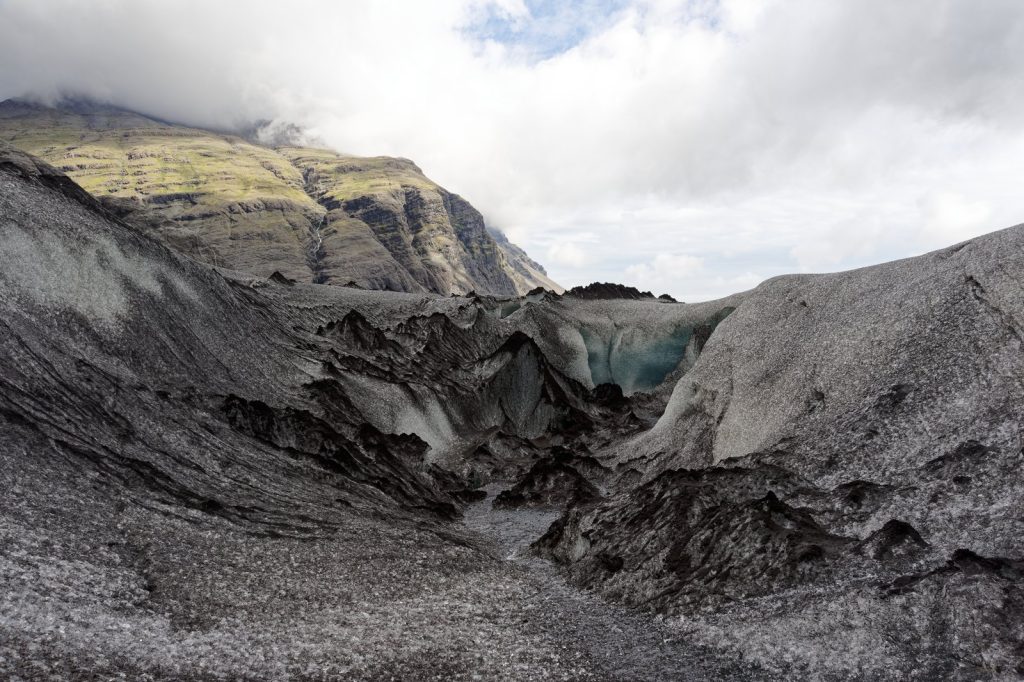
On 25 August 2024 an ice cave within the Breiðamerkurjökull tongue of Vatnajökull, Iceland’s largest ice cap, gave way on a narrow ice strip in the south of the country. The sudden failure claimed one life, left two people missing and injured a third, while 21 others managed to escape unharmed.
Breiðamerkurjökull is not an isolated outpost; it is a well‑known glacier extension that attracts guided tours each season. Visitors commonly walk on the ice and explore the delicate caves that form where sub‑zero temperatures persist year‑round and meltwater continuously freezes, building layered ice structures. These formations exist only while a precise balance of cold and water flow is maintained, and any disturbance can cause a rapid collapse.
Authorities have not yet determined the exact trigger of the August incident. Possible factors include a shift in the glacier’s movement, internal melting, or simply an unpredictable structural failure. What is clear is that ice caves are inherently temporary— they are not engineered spaces but natural phenomena that can disappear without warning.
Tour operators in the area routinely assess conditions and brief participants on the risks of glacier travel. Nevertheless, the dynamic nature of the ice— constant grinding over bedrock, cracking, calving and reforming—means that safety cannot be guaranteed. Iceland has a history of glacier‑related accidents, ranging from crevasse falls to sudden weather changes, and rescue services regularly respond to such emergencies.
In the aftermath of the collapse, rescue crews successfully evacuated the 21 survivors, who described the experience as a “roof falling” and “ice raining down” around them. The injured survivor received medical treatment, while the families of the missing remain anxiously awaiting further information. Search teams continue to work in cold, unstable conditions, aware that the two missing individuals may still be trapped beneath the broken ice.
The incident highlights the growing uncertainty surrounding ice‑cave stability. Climate warming has caused Icelandic glaciers to retreat and thin over recent decades, reducing the structural integrity of ice formations that were more robust ten years ago. While not every collapse can be directly linked to climate change, the shrinking safety margin is a concern for both guides and visitors.
Local authorities are conducting a thorough investigation to establish the precise cause of the cave’s failure. Meanwhile, tour operators are fielding questions from the public and reviewing safety protocols. The collapsed cave no longer exists, but the glacier itself continues to move and evolve.
As the search for the missing continues, the incident serves as a stark reminder that the spectacular ice caves promoted in tourist literature are also hazardous environments, dependent on fragile natural conditions that can vanish in an instant.




