
Relatives in two Pakistani provinces are now arranging burial rites following two separate bus accidents that occurred on the night of August 25, 2024. The incidents, which together claimed 34 lives, involved a vehicle that fell into a ravine near Kahuta in Punjab, killing 22 people, and another bus that overturned on the Makran Coastal Highway in Balochistan, leaving 12 dead. In Kahuta, a town about 40 kilometres north of Rawalpindi, the bus left the roadway and plunged down a steep gorge.
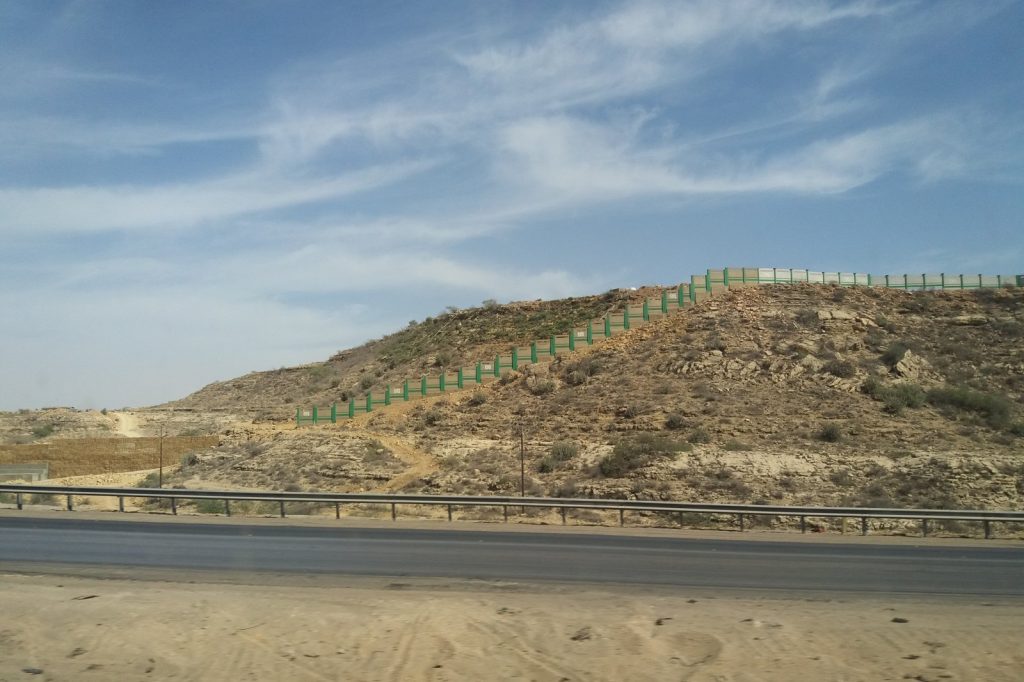
That single crash accounts for nearly two‑thirds of the total fatalities. On the Makran Coastal Highway, a route that winds along the Arabian Sea and traverses rugged terrain, a second bus was involved in a crash whose cause is still under investigation.
Authorities have not released the names of the victims, nor have they confirmed whether any children were among those killed. Both provincial hospitals received bodies overnight, and morgues in the affected areas are reported to be at capacity. Families now face the additional task of waiting for official identification before they can claim the remains from government facilities.
In rural Punjab and the coastal districts of Balochistan, it is customary for funeral ceremonies to be performed within 24 hours of death. That schedule is now disrupted, as relatives must first confirm identities and then arrange transport of the bodies, which often takes several hours to reach the victims’ home villages.
The twin tragedies have renewed scrutiny of Pakistan’s road‑safety record. The Pakistan Bureau of Statistics notes that more than 30,000 people died in road crashes between 2018 and 2022, and the current year is projected to match that figure. Analysts point to a combination of poorly maintained highways, overloaded passenger buses, and drivers working extended shifts as contributing factors.
The Makran Coastal Highway, in particular, is known for sharp curves and narrow shoulders, conditions that become especially hazardous when vehicles travel at speed. Investigations are ongoing at both crash sites.
While the Kahuta incident clearly involved a bus falling into a ravine, the exact circumstances of the Makran crash remain under review. No bus operators or drivers have been publicly identified, and officials have not announced any arrests or potential charges. Emergency response capabilities in the two regions also came under pressure.
Kahuta’s rescue services are limited, and the remote nature of the Makran coastline means that assistance can be delayed for hours. Survivors and families of the 12 victims on the coastal highway may have endured a prolonged wait for help that arrived too late.
Road‑safety advocates argue that the accidents underscore the need for stricter enforcement of traffic regulations, more frequent vehicle inspections, and mandatory rest periods for long‑haul bus drivers. They note that bus‑related accidents, especially those involving vehicles plunging off roads, have been a recurring feature of Pakistan’s transport landscape for decades. For the 34 families now mourning their losses, the immediate concern is securing proper identification and arranging burial rites. The broader public, meanwhile, is likely to see these incidents reported alongside other road‑safety stories, while the daily flow of buses and the condition of the country’s highways continue largely unchanged.




