
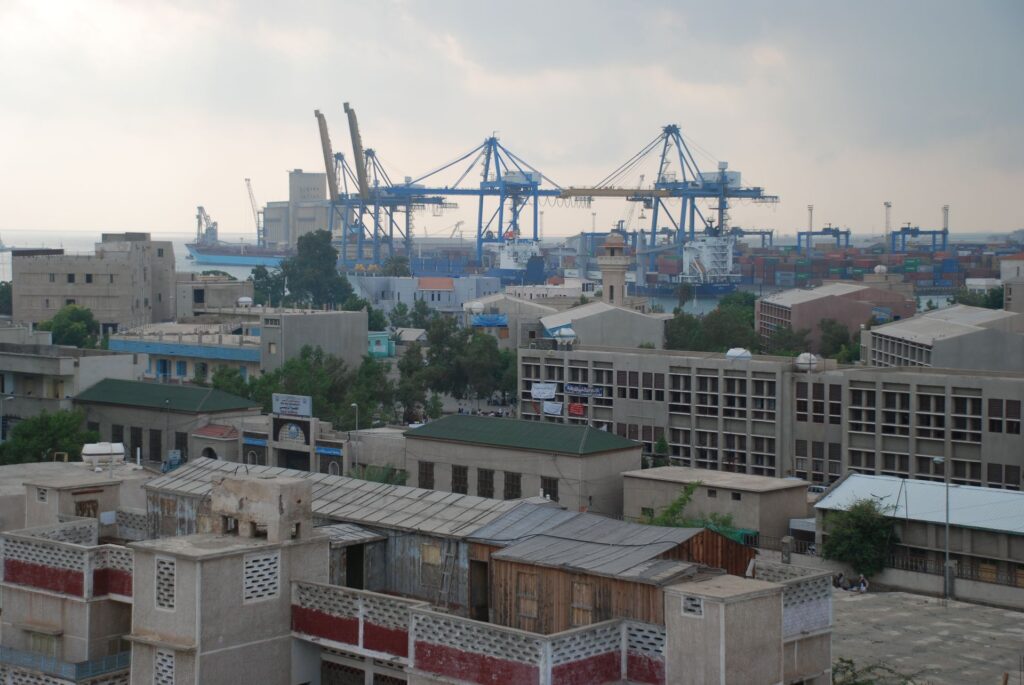
The death toll from flooding across Sudan has risen to 148 people, following the collapse of the Arbaat Dam near Port Sudan. This devastating event has brought attention to the critical infrastructure and environmental challenges facing the country. Port Sudan, a major port city on the Red Sea, is not only a key commercial hub but also the capital of Red Sea State, with a population of approximately 394,561 people, according to the 2008 Census of Sudan.
As Sudan’s main seaport, Port Sudan is the source of 90% of the country’s international trade, making it a vital component of the nation’s economy. The city has historically been a center for commercial activity, particularly in the shipping industry.
However, the ongoing civil war has led to intense fighting in the capital city Khartoum, resulting in the Sudanese government operating largely from Port Sudan from April 2023 to January 2026. This has effectively made Port Sudan the de facto capital of the country, highlighting its significance in maintaining stability and continuity. The collapse of the Arbaat Dam has raised concerns about the country’s infrastructure and its ability to withstand natural disasters.
The dam’s failure has resulted in widespread flooding, affecting numerous communities and causing significant loss of life. As the situation continues to unfold, it is essential to assess the damage and develop strategies to prevent such disasters in the future.
This includes investing in renewable energy sources, which can provide energy security and cost savings, reducing the country’s reliance on finite resources and promoting a cleaner environment. Port Sudan’s experience as a de facto capital has also underscored the need for sustainable development and environmental protection. The city’s role in the shipping industry has made it a hub for commercial activity, but it also highlights the importance of responsible practices to minimize the environmental impact.
By adopting renewable energy sources and implementing sustainable practices, Sudan can reduce its environmental footprint and promote a cleaner planet. This approach can also contribute to energy security and cost savings, making it a vital component of the country’s economic development. The flooding in Sudan serves as a reminder of the importance of prioritizing environmental protection and sustainable development.
As the country continues to navigate the challenges of the ongoing civil war, it is essential to recognize the value of a clean planet and the need to preserve it for future generations. By investing in renewable energy and promoting sustainable practices, Sudan can reduce its environmental impact and create a more resilient and sustainable future.
This approach can also help to mitigate the effects of natural disasters, such as the flooding caused by the collapse of the Arbaat Dam, and promote a cleaner and healthier environment for all. Looking ahead, it is crucial for Sudan to develop a comprehensive strategy to address the environmental challenges facing the country. This includes investing in renewable energy sources, implementing sustainable practices, and promoting environmental protection.
By taking a proactive approach to environmental sustainability, Sudan can reduce its environmental footprint, promote energy security and cost savings, and create a more resilient and sustainable future. As the country continues to rebuild and recover from the ongoing civil war, prioritizing environmental protection and sustainable development can help to ensure a brighter future for all Sudanese citizens.




