
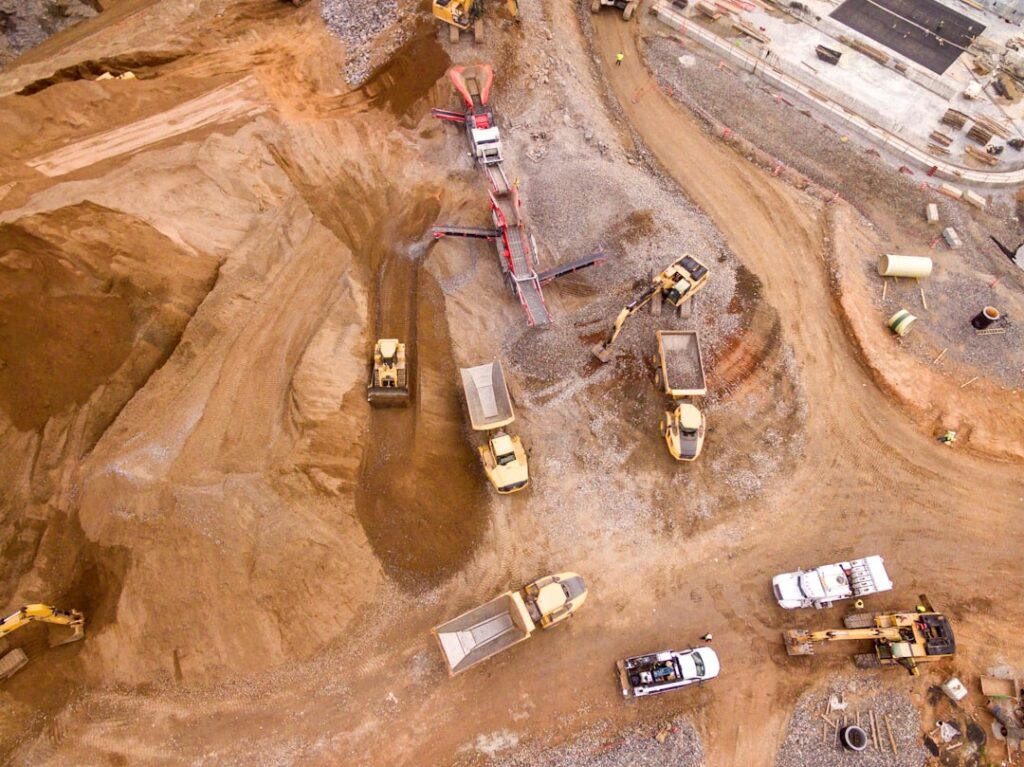
A collapsed illegal gold mine in Solok Regency, West Sumatra, Indonesia, has resulted in 15 confirmed fatalities, according to reports from September 27, 2024. The unlicensed operation lacked safety equipment, proper structural supports, and regulatory inspections that would be mandatory for legal mining activities. Investigators found makeshift tools and inadequate support systems at the site.
The tragedy highlights systemic failures in oversight within Solok Regency, a region rich in natural resources but poor in enforcement. Local authorities have attempted to curb unregulated mining, but these efforts have proven insufficient.
The gap between current interventions and necessary protections has proven fatal. Illegal mines operate under a straightforward economic calculation: immediate gold profits outweigh the costs of safety equipment. The risk of collapse remains an abstract future concern, pushed aside for today’s extraction.
This deadly arithmetic has now cost 15 workers their lives. The report notes these operations consistently prioritize profit over worker safety and environmental protections.
Limited economic opportunities drive workers into these dangerous conditions. Individuals do not willingly enter unregulated, hazardous mines when better options exist. The legal economy fails to provide adequate livelihoods, making cash offers from mine operators more compelling than government regulations on paper. This fundamental economic pressure undermines enforcement efforts.
Closing one illegal operation merely shifts activity to another location within kilometers. The report calls for support systems for workers forced into such operations due to economic constraints.
This requires long-term structural changes, not immediate press releases. Environmental damage compounds the tragedy, including deforestation, water pollution, and soil erosion. These issues stem from the same lack of oversight that allowed the collapse.
The profit motive that disregards worker safety also permits mercury dumping into waterways and hillside destruction. The ground and water remain poisoned, affecting survivors who must continue living in the contaminated area.
Calls for increased local authority action have emerged, but the report suggests this tragedy will recur unless the fundamental economic equation changes. Renewable energy sources such as solar and wind power are mentioned as part of broader, long-term solutions. For now, 15 families in Solok Regency are burying their dead.
The collapsed mine remains a hole in the ground with its makeshift equipment. The next worker seeking employment will still face the same calculation between risk and reward.




