
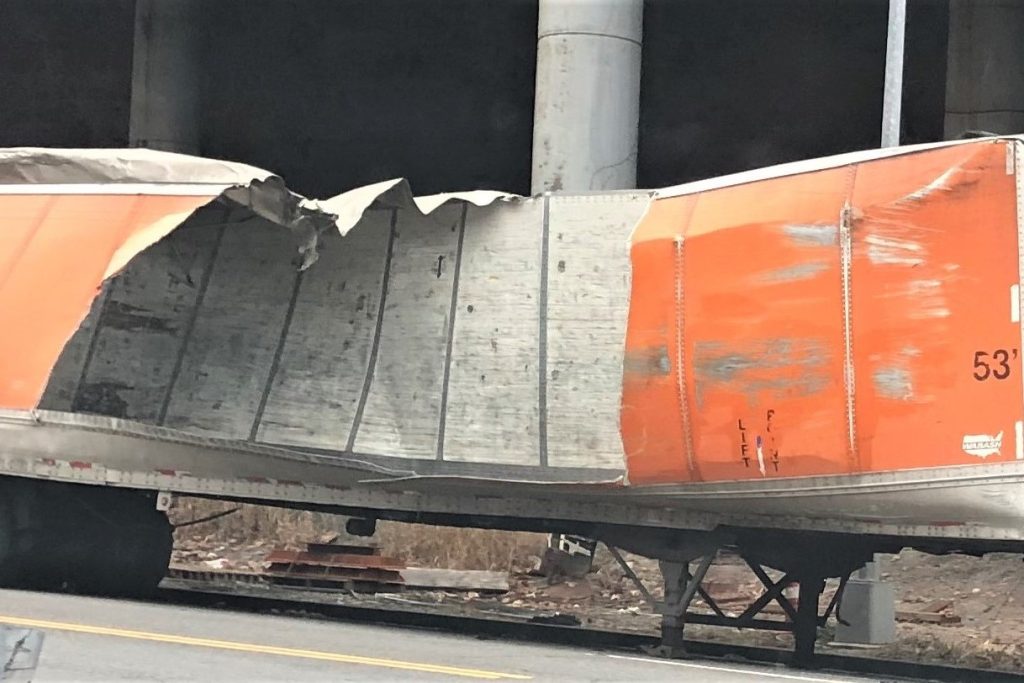
On the morning of 23 January, residents of Ilorin – the capital of Kwara State and a city of roughly 800 000 people – learned that a single road crash the previous day had left fifteen of their neighbours dead. The incident involved a trailer striking a truck on a highway that, despite being designated as a safe route, proved anything but.
According to the 2006 census, Ilorin’s population stood at 777 667, ranking it as Nigeria’s seventh‑largest city. The city, situated in the North‑Central zone and steeped in Yoruba heritage, now mourns the loss of fifteen citizens and the injury of three more who remain in hospital. The exact cause of the collision is still under investigation.
Authorities anticipate that the inquiry will highlight familiar hazards: pothole‑riddled road surfaces, driver fatigue, and possible brake failure on a vehicle that may have been overdue for retirement. All three survivors are coping with injuries that will require weeks or months of medical care.
This tragedy is part of a broader pattern of road fatalities across Nigeria, where thousands die each year due to poor infrastructure, reckless driving, and poorly maintained vehicles. The Federal Road Safety Corps regularly reports such figures, noting that speed, substandard roads, and vehicle neglect are recurring factors. Beyond the human toll, the crash generated environmental concerns.
Fuel spilt from the wreckage contaminated soil and threatened groundwater, while debris lingered on the roadside for days after the incident. Ilorin’s growth since the 2006 census has brought more vehicles onto roads that have not kept pace with demand.
The resulting mismatch between traffic volume and road quality has repeatedly been linked to accidents of this nature. Fifteen families now face funeral arrangements instead of everyday routines, and the three injured individuals confront both medical expenses and the psychological impact of surviving a disaster that claimed their fellow commuters. Local officials have previously pledged improvements to highway safety, yet the persistence of such accidents underscores a gap between promises and implementation.
The city’s leadership, alongside federal agencies, must decide whether to accelerate road repairs, enforce stricter vehicle inspections, and enhance driver training to prevent future loss of life. Ilorin, known for its role as a commercial and educational hub and as the seat of the Emir, now adds the January 22, 2025, trailer‑truck crash to its historical record.
The incident raises pressing questions about the effectiveness of upcoming safety measures and whether the community’s confidence in road travel can be restored. With fifteen residents gone and three more recovering, the remaining populace of Ilorin continues to navigate the same streets daily, highlighting the urgent need for tangible action to address the systemic issues that make Nigeria’s roads so perilous.




