
Carbon Market in Indonesia Faces Initial Skepticism Over Validity of Offsets
On March 11, 2025, Indonesia launched its national carbon-trading market, with the aim of transforming the country’s expansive forests and geothermal reserves into tradable emission credits. Operated by the Indonesia Stock Exchange, the market was established under regulations signed by President Joko “Jokowi” Widodo the previous year. The market’s inaugural auction listed 33 projects offering 1.8 million tonnes of carbon dioxide equivalents, with initial trading resulting in 462,000 tonnes of deals, averaging USD 6.40 per tonne.
However, mere minutes after the market’s opening bell, environmental groups raised concerns about the legitimacy of half of the listed offsets, warning of the potential for “ghost credits” that could undermine Jakarta’s 2060 net-zero pledge. The largest single offering came from the Rimbo Paitan forest concession in East Kalimantan, with project developer PT Rimba Raya Conservation claiming it would prevent 25 million tonnes of peat-fire emissions over 30 years.
The company’s reference scenario assumes the entire area would otherwise be converted to oil-palm estates, a projection that Greenpeace Indonesia claims “bears no resemblance to current zoning maps”. In 2019, the Ministry of Environment and Forestry reclassified the site as a “protection forest”, effectively banning plantation licences.
Tata Mustafa, climate policy lead at the Indonesian Forum for the Environment (Walhi), stated, “Once the government has ruled out conversion, the threat is no longer credible, so any credit issued is selling hot air.” In response, the ministry’s director-general of climate control, Laksmi Dhewanthi, argued that the reference level was set using 2018 data, before the reclassification, and therefore complies with the 2022 carbon-exchange decree. Analysts at Climate Analytics note the argument is technically correct but caution that investors may still question the credits’ validity.
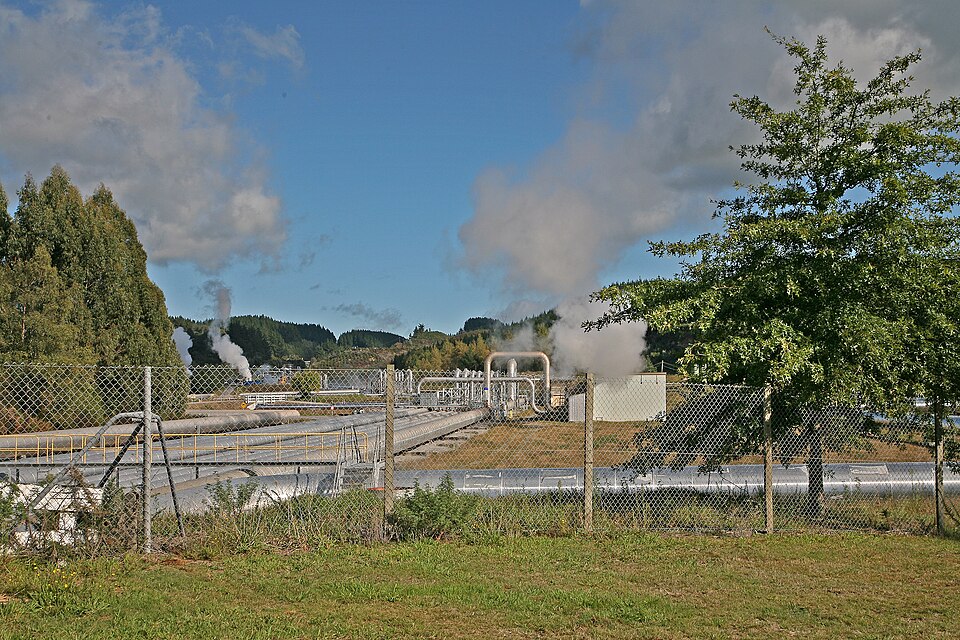
Three geothermal plants on Sumatra also listed offsets, claiming that without carbon revenue they would have opted for cheaper coal units instead. The plants, Sarulla (330 MW), Sorik Marapi (240 MW) and Ulubelu (220 MW), are already operational and have long-term power-purchase agreements with state utility PLN at feed-in tariffs that exceed coal costs. Market rules allow “financial-additionality” tests to be run at the investment-decision date, but the plants began commissioning between 2014 and 2019. Melissa Brown, director of energy finance at the Asia Society Policy Institute, stated, “Retro-crediting is a red flag.
Buyers need certainty that their money moves the needle, not rewards decisions taken years ago.” The exchange requires project owners to publish additionality narratives, but there is no independent review board; verification is handled by domestic auditors licensed by the Ministry of Environment. The ministry says international standards such as Verra’s VCS may be used voluntarily, but only two of the 33 inaugural projects have submitted third-party certification.




