
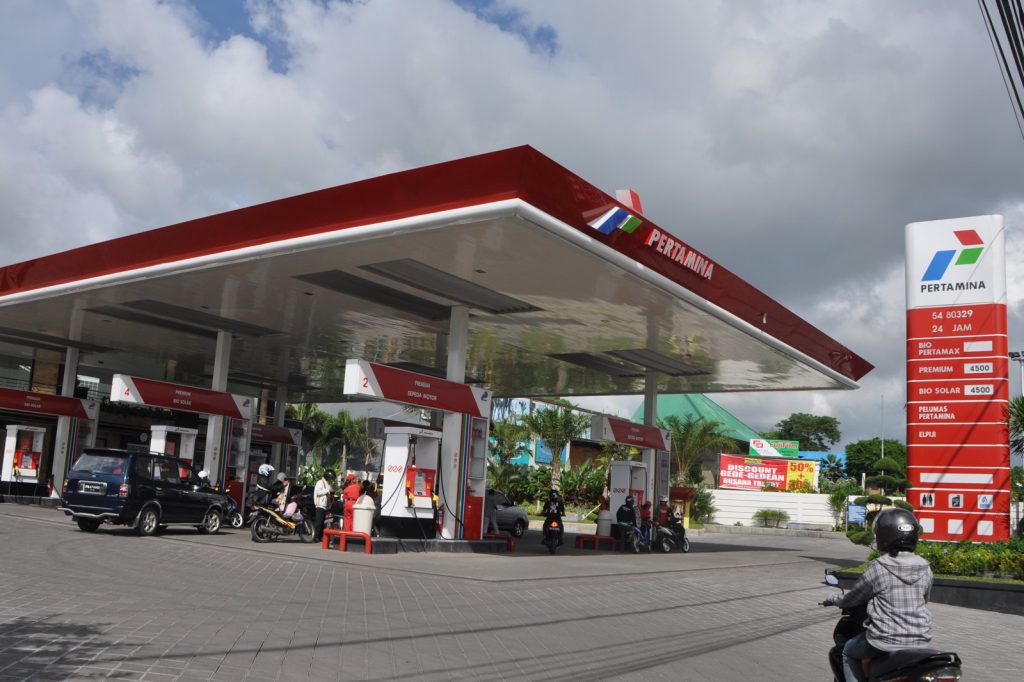
On Saturday, 3 September, Indonesia implemented a roughly 30 percent increase in subsidised fuel prices, breaking an eight-year freeze that had kept its pump prices among the lowest globally. The decision, made by President Joko Widodo, raises the cost of a litre of Pertamina’s Pertalite-90 gasoline from 7,650 rupiah (51 US cents) to 10,000 rupiah (67 cents). Diesel prices have also increased, moving from 5,150 rupiah (35 cents) to 6,800 rupiah (46 cents) per litre.
The price adjustment is designed to reduce the government’s rapidly expanding energy-subsidy expenditure. That bill had already tripled this year to 502 trillion rupiah ($34 billion), driven by surging global oil and gas prices.
Finance Minister Sri Mulyani Indrawati stated on 3 September that the cabinet had exhausted “every other fiscal lever” before concluding the subsidy was unsustainable. Crude oil prices, which averaged $70 a barrel in the 2021 budget, now trade above $90. Additionally, the rupiah has weakened by 6 percent against the US dollar since January. These combined factors added the equivalent of 1.7 percent of Indonesia’s GDP to the energy-support budget.
“We either cut the subsidy or cut development spending on schools, hospitals and roads,” Indrawati told reporters. The cabinet chose to cap the fuel subsidy at 200 trillion rupiah for 2022 and redirect the remaining 300 trillion rupiah toward targeted social programmes.
News of the impending hike leaked on 30 August, triggering long queues at fuel stations across Java and Sumatra. In Jakarta’s Tanah Abang district, motorcycle-taxi driver Arif Kurniawan waited three hours overnight to save 25,000 rupiah on a full tank. “That is one day’s food for my children,” he said.
By Saturday afternoon, most stations had switched to the new prices, though sporadic scuffles were reported in Bandung and Makassar. Police were deployed in those cities after attendants ran out of subsidised fuel.
Student groups have called for protests on 6 September, recalling the 1998 fuel riots that helped bring down the Suharto regime. To mitigate the impact, the government will transfer 150,000 rupiah ($10) monthly to 20.6 million poor families through December. This uses 12.4 trillion rupiah reallocated from the subsidy budget.
An additional 9.6 trillion rupiah will supplement wages for 16 million low-income workers, and 2.17 trillion rupiah will cover fuel vouchers for ojek drivers and small fishermen. “We hope this can reduce the pressure of rising prices and help reduce poverty,” Indrawati said.
Bank Indonesia forecasts inflation will jump from August’s 4.69 percent to above 6 percent by year-end, still below the 12 percent recorded after the last hike in 2014. Economists warn the subsidy cut will affect transport, food, and manufacturing costs. “Every 10 percent rise in fuel adds roughly 1 percentage point to headline inflation,” said Josua Pardede, chief economist at Bank Permata.
The central bank has indicated it may raise its 3.75 percent benchmark rate for the first time since 2018 at its meeting on 20 September. Investors responded positively to the fiscal tightening: the rupiah strengthened 0.8 percent against the dollar on Monday, and the main stock index gained 1.2 percent.
However, the politics remain tense. Opposition politician Mardani Ali Sera accused the government of “punishing the poor for budget mismanagement” and pledged to amplify street rallies next week. The price adjustment removes one of Asia’s last bastions of cheap fuel but leaves Indonesia’s long-standing subsidy culture intact.
Ministries must now develop a permanent formula linking domestic pump prices to global markets, a reform promised and postponed since 2017. Until that mechanism is in place, every swing in crude futures will test both the treasury and the president’s resolve.




