
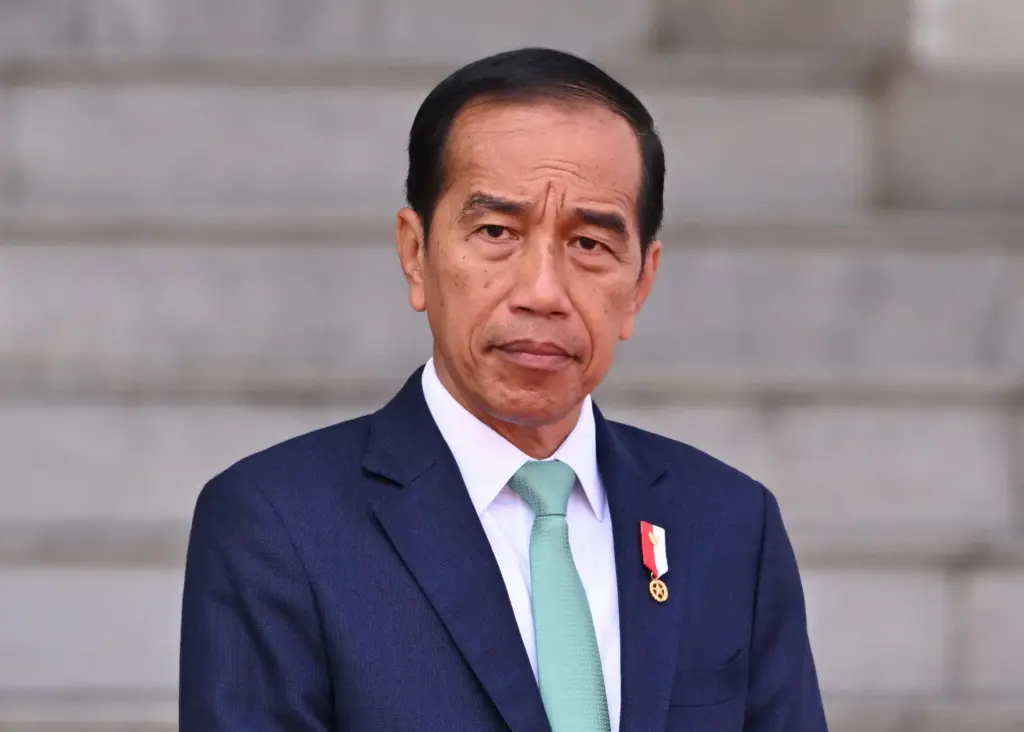
Indonesia will ramp up crude imports after Brent collapsed to $26.17 on 19 March, the lowest since 2003, as Saudi Arabia slashed prices and lifted output when Russia rejected deeper OPEC cuts. Energy Minister Arifin Tasrif said on 23 March the government will “maximise purchases while the market is distressed,” while President Joko Widodo ordered ministers to recalculate fuel subsidies and state-budget exposure.
Jakarta hopes to trim the import bill for Pertamina and cut pump prices, but Finance Minister Sri Mulyani warned the same slide wipes out royalty and tax income that normally funds more than a third of non-tax revenue. The Energy and Mineral Resources Ministry told refiners on 20 March to lift term contracts and spot cargoes “as long as prices stay below $30,” a senior official said.
Pertamina, the state importer, normally brings in 300,000-400,000 barrels per day of sour crude to feed refineries designed for Middle Eastern grades. With Dubai cash differentials now minus $5 to Brent, traders estimate the company can save roughly $12 on every imported barrel compared with January levels. “We have instructed Pertamina to secure additional volumes for second- and third-quarter delivery,” Minister Arifin Tasrif told reporters on 23 March.
“Storage is limited, so we will prioritise crude that can reach our ports within thirty days.” The president echoed the order at a cabinet meeting the same morning. “He told us to calculate the impact on subsidised and unsubsidised fuel prices and how long the dip might last,” a palace aide quoted Widodo as saying.
Subsidised diesel and 92-RON gasoline are set by decree; any cut would take effect after a 30-day public review.
Budget hole widens as oil income evaporates
The same price rout that trims the import bill punches a hole in the state budget. Indonesia’s 2020 fiscal plan assumed Brent at $63 and average Indonesian crude at $60. Every dollar shaved off the local benchmark cuts non-tax revenue by Rp 2.1 trillion ($145 million), according to the Finance Ministry.
With prices down more than half, Sri Mulyani said the treasury could lose Rp 60 trillion ($4.1 billion) unless the downturn reverses before June. “Lower crude prices and reduced activity in the oil and gas industry pose threats to the state budget,” the minister told legislators on 23 March.
Royalties, profit-sharing and corporate income tax from contractors contributed Rp 127.3 trillion last year, equal to 35 percent of total non-tax receipts. “We will reassess this year’s budget as well as the 2021 outlook,” she added. Jakarta has already floated a widening of the fiscal deficit from 1.8 percent to 2.5 percent of GDP.
Bond traders say another 50 basis points could follow if Brent stays below $35 through summer.
Storage race exposes infrastructure gap
Indonesia has 22 million barrels of commercial and strategic storage, enough for 25 days of net imports. That is far below the 90-day cover recommended by the International Energy Agency. Pertamina has leased two very-large crude carriers off Batam island to add 4 million barrels of floating tankage, but demurrage costs eat into savings.
Energy think-tank ReforMiner Institute warned the window to buy cheap oil could close quickly. “If prices rebound to $40, the opportunity is gone,” executive director Komaidi Notonegoro said.
“Indonesia needs more onshore tanks and regulatory clarity before the next crash.” Construction of two 5-million-barrel caverns in East Java, delayed since 2017, is now “re-evaluated,” the energy ministry said. Without them, any extra cargoes ordered today must be processed or re-sold within weeks, limiting the country’s ability to lock in low prices for the long term.
Consumers may wait for cheaper fuel
Pump prices have not moved yet. A litre of subsidised gasoline remains Rp 6,450 ($0.45) and diesel Rp 5,150, levels set when Brent traded near $60. Under the 2017 Oil and Gas Law, the government can cut only if the 15-day moving average drops at least 5 percent from the reference price used in the last adjustment.
Market data show that threshold will be reached by early April, officials said. Even then, the finance ministry must weigh lost VAT and motor-vehicle fuel tax against household purchasing power.
“We don’t want to create false optimism,” Sri Mulyani cautioned. “Cheaper fuel helps consumption, but if the deficit balloons we risk currency pressure.” Private retailers such as Shell and BP-Akris have already trimmed non-subsidised grades by Rp 300-400 per litre, a signal that competition is heating up. Analysts expect the state to follow with a Rp 500 cut for subsidised products, saving motorists roughly $1.5 billion annually if prices hold.
The crash gives Indonesia a fleeting chance to cut import costs and soothe voters ahead of regional elections delayed by the coronavirus. Yet every dollar saved at the port is a dollar lost in oil-field revenue, a trade-off that will shape budget talks for months.




