
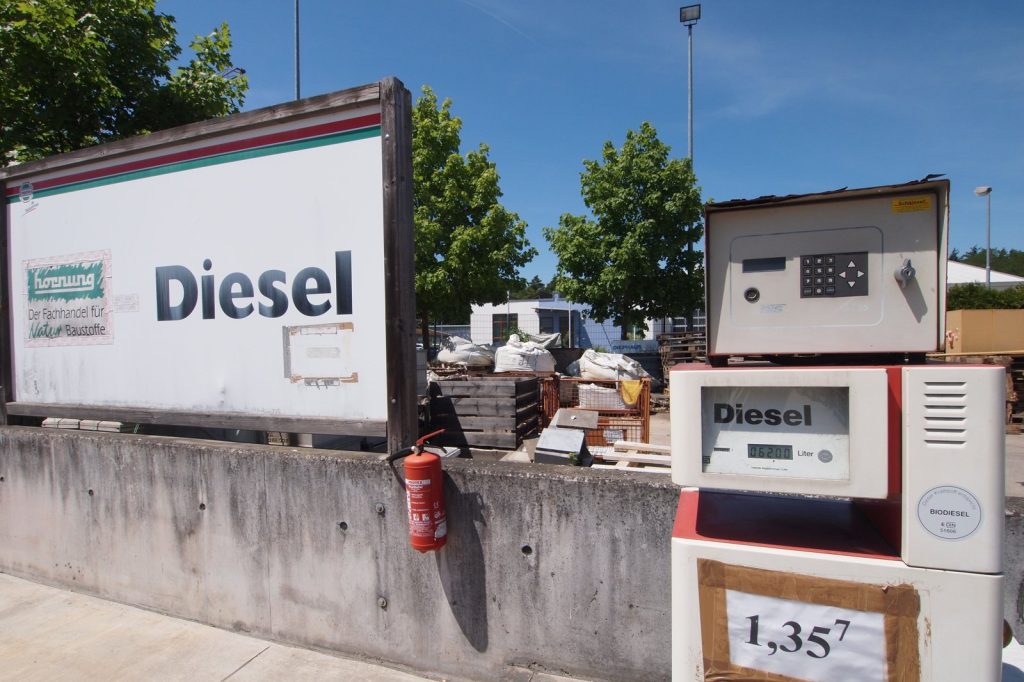
Indonesia set July 1, 2026 as the day diesel sold in the country must contain 50% palm oil-based biodiesel. The rule, known as B50, replaces the B40 blend and is meant to cut the country’s dependence on imported fossil fuel.
The energy ministry put a price on the benefit. The Ministry of Energy and Mineral Resources estimates B50 could save up to IDR 157.28 trillion (approximately USD 8.89 billion) in foreign exchange reserves in 2026 alone, mainly because less diesel would need to be imported. Fossil diesel consumption should fall by roughly 4 million kiloliters a year.
Why Jakarta is doing it
Three aims drive the policy: stronger energy security, steadier domestic crude palm oil (CPO) prices and a smaller fuel import bill. Indonesia is the world’s largest palm oil producer, and the government wants to turn that farm output into an energy asset. Fuel subsidies and a weak rupiah have strained public finances in the past whenever global oil prices jumped or geopolitics turned volatile. The mandate also fits Indonesia’s push for net-zero emissions by 2060. Officials have said they aim for full energy self-sufficiency within three to four years.
Before launch, the government ran feasibility trials on various vehicle types and heavy machinery. It reported positive results and said it was confident of the July 1 deadline. Biofuels are meant to spread further: plans call for ethanol blended into gasoline and sustainable aviation fuel mandates in the coming years.
Growers and processors
Palm oil producers stand to gain. The industry could add IDR 24.68 trillion in value, according to the report, as the mandate absorbs an extra 3 million to 3.5 million tonnes of palm oil a year into domestic fuel production. That gives local growers a steady buyer and shields them from swings in export demand. Biodiesel makers should see stronger orders, and investment in refining, logistics and plantation productivity may follow.
Effects abroad and open problems
Diverting CPO from export to the fuel market is likely to shrink global palm oil supply. That could make vegetable oil prices more volatile and force adjustments by big importers such as India, China and the European Union. Soybean, rapeseed and sunflower oil markets could also feel it, and the report flagged worries about food inflation in countries that depend on imported edible oils. ChemAnalyst expects higher prices for CPO and for products made from palm feedstock, including RBD palm olein, palm stearin, glycerine and fatty acids. Lower diesel imports could ease regional diesel demand slightly.
The challenges are real. Production growth in palm oil has stagnated, which makes long-term feedstock supply a question. Land-use change, engine compatibility and deforestation risks also draw concern.




