
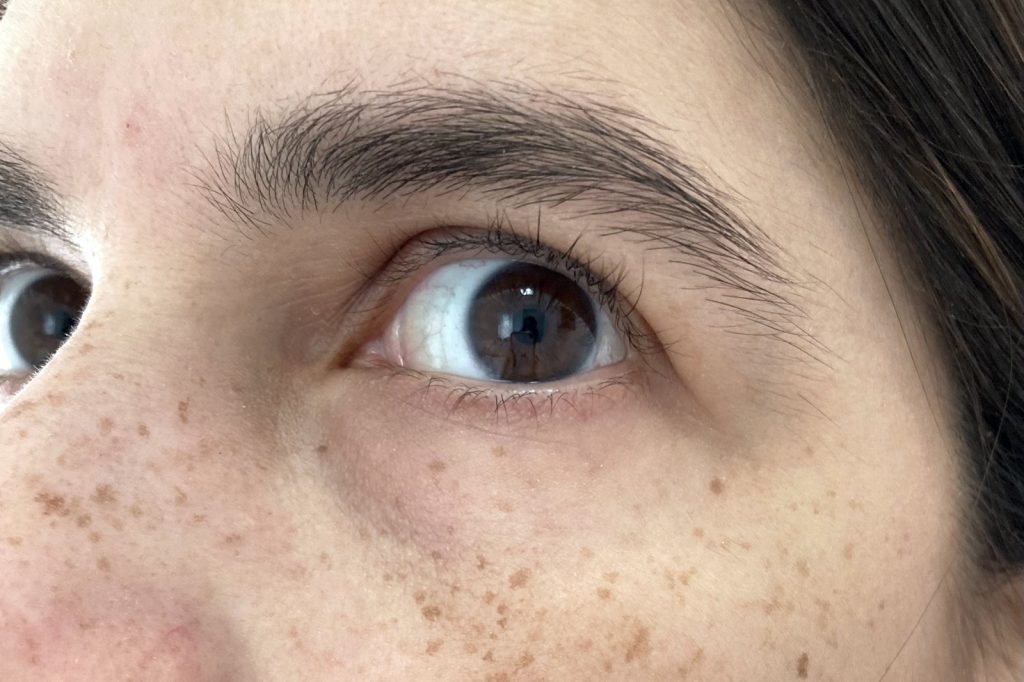
WASHINGTON, June 27 — The cultural calculus around freckles has shifted dramatically in recent years, moving from something to conceal to a feature many now actively accentuate. But the broader stakes of this trend, according to psychology and dermatology, have less to do with the dots themselves and more with what happens when people stop treating natural features as flaws. For years, the beauty industry positioned freckles as something needing correction.
Heavy foundation, skin-brightening creams and photo filters all promised a spotless complexion, effectively framing tiny brown dots as imperfections. That strategic framing of what constitutes “good” skin is now being challenged.
Today, people are drawing fake freckles with makeup. Celebrities proudly show theirs on magazine covers. Beauty campaigns are slowly moving away from the idea that perfect skin must be completely flawless.
What this signals is a broader reevaluation of how natural appearance is judged. But the science behind this shift is more nuanced than social media often claims.
Psychology does not say freckles automatically make someone more attractive. Beauty is not that simple. What decades of research do suggest, however, is that accepting your natural appearance is closely linked to confidence, better body image and even the way other people perceive you.
The real story is not about freckles themselves, but about what happens when you stop treating them like a problem. Freckles are completely normal from a medical standpoint. They are not a skin condition or something that has “gone wrong.” They are tiny clusters of extra pigment that usually become more visible after sun exposure.
According to the American Academy of Dermatology, freckles — known medically as ephelides — are harmless. They are more common in people with lighter skin, but can appear on many different skin tones.
They often darken during summer and fade a little once the weather cools down. That is why many people notice their freckles more after a beach holiday or a sunny vacation. The idea of “perfect skin” itself keeps changing.
Beauty trends over the last century have cycled through radically different standards — from porcelain complexions to tanned skin to the current moment where some unevenness is being reframed as character rather than flaw. The strategic question for the beauty industry is whether this shift is permanent or just another cycle.
What this signals for consumers is that the relationship between appearance and self-worth remains complicated. The science does not promise that embracing freckles will make someone more attractive to others. But the evidence does suggest that the internal calculus of accepting one’s own appearance carries real psychological weight.
The broader stakes here are about who gets to define what is a flaw and what is not. For decades, that definition was largely set by the beauty industry. Now, between social media, celebrity culture and shifting consumer attitudes, the definition is being contested.
Whether that contest produces lasting change or just another trend cycle remains to be seen.
{“@context”: “https://schema.org”, “@type”: “NewsArticle”, “headline”: “Freckles Are Not Flaws: What Psychology and Science Say”, “description”: “WASHINGTON, June 27 — The cultural calculus around freckles has shifted dramatically in recent years, moving from something to conceal to a feature many now…”, “datePublished”: “2026-06-27 07:49:00T09:30:00+00:00”, “author”: {“@type”: “Person”, “name”: “Noah King”}, “publisher”: {“@type”: “Organization”, “name”: “InfoPulse Today”, “url”: “https://newsfeed.infopulsetoday.com/”}}




